SIA Raids in Srinagar: A Renewed Attack on Kashmiri Resistance
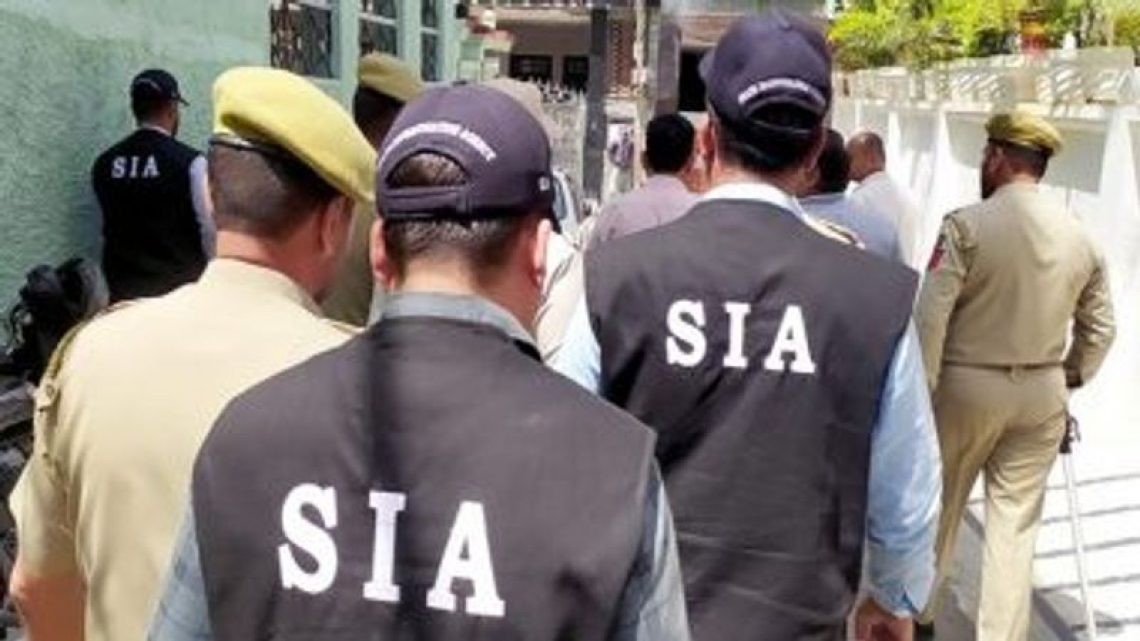
August 13, 2025The recent raids by the State Investigation Agency (SIA) in Srinagar, targeting the residence of Yasin Malik, the jailed Chairman of the Jammu and Kashmir Liberation Front (JKLF), and several others, have sparked concerns about the Indian government’s ongoing efforts to suppress political resistance in Kashmir. These raids, carried out by the SIA with support from Indian paramilitary forces, are part of a larger strategy to tighten India’s control over Kashmir and silence those calling for Kashmiri self-determination. This feature explores the implications of these actions and how they continue to shape the political landscape of Jammu and Kashmir.
A New Wave of Repression in Kashmir
The SIA raids targeted multiple homes of individuals who had been linked to the JKLF, a group that has long called for Kashmir’s independence. Yasin Malik, along with other prominent figures like Peer Noorul Haq Shah, Javed Ahmad Mir, Reyaz Kabir Sheikh, and others, was among those whose homes were raided. The authorities claim that the raids are part of an investigation into the 1990 kidnapping and killing of a Kashmiri Pandit woman, Sarla Bhat. However, the timing of these raids and the individuals targeted raises significant concerns about the true intent behind the operation.
Official Explanation for the Raids
Indian officials have justified the raids by linking them to a case involving the 1990 abduction and death of Sarla Bhat. According to the SIA, Bhat disappeared from her hostel at the Sher-e-Kashmir Institute of Medical Sciences in Soura and was later found dead in downtown Srinagar. The case has remained unsolved for over three decades, and the authorities claim the raids are necessary to resolve it. However, the long delay in investigating the case raises suspicions about the real motives behind these actions.
A Case from 1990: Why Now?
The timing of the SIA’s raids is highly questionable. It has been over thirty years since the tragic death of Sarla Bhat, and the authorities have only now decided to pursue the case again. While it is important to seek justice for any crime, the fact that the SIA chose to target individuals linked to the pro-independence movement in Kashmir suggests a political motive. The raids seem to be more about silencing dissent and undermining the pro-independence cause than actually solving a decades-old crime.
The Targeting of Political Leaders
The raids have not only focused on the 1990 case but also appear to be aimed at suppressing political opposition in Kashmir. Yasin Malik, who has long been a vocal advocate for Kashmiri independence, is already serving a life sentence for his political activities. The authorities have previously used similar tactics to imprison and silence other leaders who challenge India’s control over Kashmir. By focusing on these individuals, the government is sending a message that any form of opposition will not be tolerated.
Kashmir’s Struggle for Self-Determination
Kashmir’s struggle for self-determination has been ongoing for decades, with many Kashmiris calling for independence or greater autonomy from India. This movement, however, has been met with violent repression from the Indian government, which has used military and legal means to silence political voices in the region. The recent raids on Malik and his associates are part of this broader effort to crush the Kashmir struggle for freedom.
The Militarization of Kashmir
Kashmir has become one of the most militarized regions in the world, with over 1 million Indian security personnel stationed in the area. This heavy military presence has led to a climate of fear and repression in the region, where everyday life is dominated by security forces. The recent raids were carried out with full support from the Indian army and paramilitary forces, further cementing the region’s status as a heavily militarized zone. For the people of Kashmir, living under constant surveillance has become the painful reality of daily life.
Impact on Kashmir’s Political Landscape
The recent raids and the ongoing repression of political leaders have had a profound impact on Kashmir’s political landscape. Kashmir, once a place for vibrant political debate and resistance, has been reduced to a space where dissent is silenced through force. Prominent figures like Yasin Malik, who have long advocated for peaceful resistance, are now imprisoned for their beliefs. This has led to an increasing sense of alienation among the Kashmiri population, as they face an uncertain political future.
International Response to the Crackdown
The international community’s response to India’s crackdown on political dissent in Kashmir has largely been silent. Despite numerous reports from human rights organizations condemning the treatment of Kashmiri political leaders, there has been little international pressure on India to change its approach. This lack of global attention allows India to continue its harsh policies without fearing consequences. The failure of the international community to act in defense of Kashmiri rights only emboldens the Indian government to continue its repressive tactics.
The Need for International Intervention
The situation in Kashmir demands greater international attention. The global community must not ignore the ongoing repression of Kashmiri political activists and the suppression of their right to self-determination. Countries and international organizations must put pressure on India to stop its crackdown on peaceful political voices and ensure that Kashmir’s future is determined through dialogue and not through force. The international community must take a firm stand in supporting the Kashmiri people’s right to decide their own political future.
The Role of Dialogue in Kashmir’s Future
India’s approach to Kashmir has been dominated by repression and force, but this is not a sustainable solution. The only way to address the Kashmir issue in a meaningful way is through dialogue. India must engage with Kashmiri leaders, including those in prison, to find a political solution that respects the rights and aspirations of the Kashmiri people. Only through peaceful negotiations can India and Kashmir move toward a resolution that addresses the region’s long-standing grievances.
A Call for Peaceful Resolution
The raids in Srinagar are a stark reminder of the ongoing struggle in Kashmir. Kashmiris have long sought the right to determine their own political future, but this right has been denied by the Indian state through military repression and legal measures. The people of Kashmir deserve the opportunity to express their views and aspirations freely, without fear of arrest or violence. India must recognize this right and engage in a process of peaceful dialogue with Kashmiri leaders to resolve the conflict.
Conclusion: A Time for Change in Kashmir
The SIA raids in Srinagar highlight the continued repression of Kashmiri political figures and the broader struggle for self-determination in the region. India’s heavy-handed tactics, which focus on silencing opposition and using force to maintain control, will not bring lasting peace to Kashmir. The region’s future lies in a peaceful resolution that respects the rights of the Kashmiri people. India must change its approach, move beyond repression, and engage in meaningful dialogue with Kashmiri leaders. Only then can Kashmir hope for a future of peace, justice, and self-determination. The international community must also play a more active role in supporting this process and ensuring that Kashmir’s voice is heard on the global stage.