SIA Raids in Bijbehara: Locals Decry Harassment Amid Probe into Labourer’s Killing
July 4, 2025SIA conducts raids in Bijbehara, IIOJK, citing a murder probe, but locals allege the searches are part of routine harassment by Indian forces.
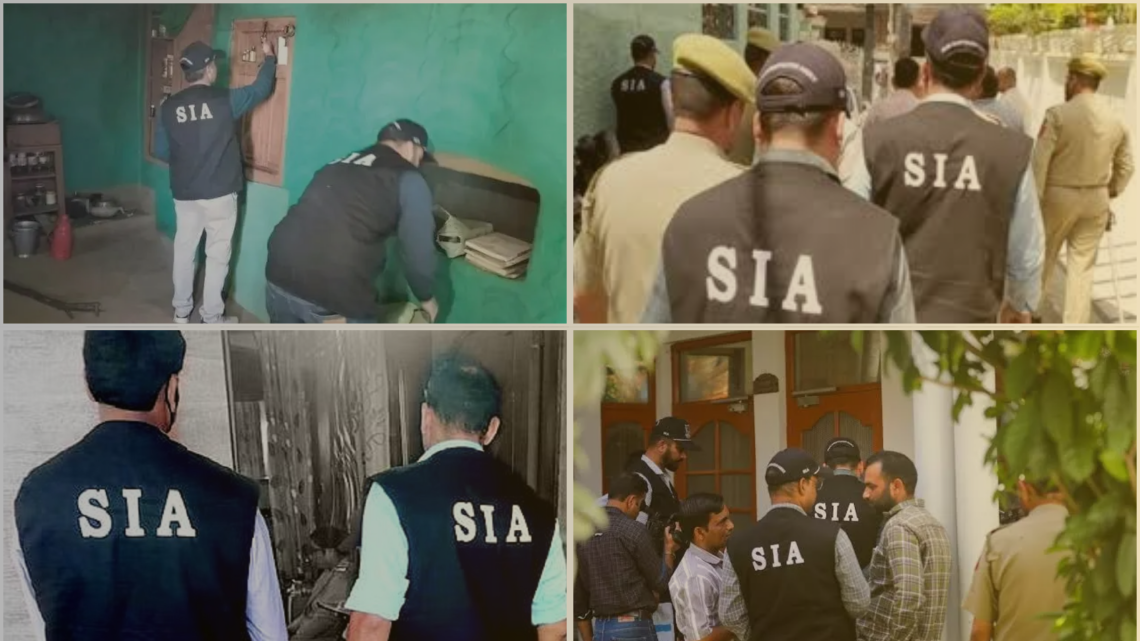
Amid growing concerns over civil liberties in Indian Illegally Occupied Jammu and Kashmir (IIOJK), the State Investigation Agency (SIA) carried out search operations at two locations in Bijbehara, Islamabad district. The operation, allegedly tied to a murder investigation, has been met with skepticism by local residents.
In a press statement issued from Srinagar, the SIA claimed that the raids were part of their ongoing probe into the April 17, 2024, killing of migrant labourer Raja Sah in Bijbehara. According to the agency, the searches were conducted to uncover key evidence and trace those involved in the crime, including co-conspirators and supporters.
The agency described the operations as “a crucial step” in the process of identifying and apprehending those behind the attack. It framed the move as part of a broader counterterrorism effort to bring stability to the region.
Despite the official justification, local residents in Bijbehara voiced strong objections, calling the SIA’s actions a continuation of India’s harassment policy in the region. Eyewitnesses and locals suggest the raids are not isolated efforts but part of a larger strategy to intimidate and pressure Kashmiri communities, particularly in areas with a history of resistance or political dissent.
This perception is consistent with ongoing accusations by Kashmiri civil society and rights groups, who argue that such operations often lack transparency and disproportionately target civilians without substantial evidence.
While the SIA maintains that its operations are legally grounded and focused on solving a murder case, the backlash from the people of Bijbehara suggests a deep trust deficit between the local population and Indian authorities. In a region already under heavy military control, these search operations risk further alienating communities and escalating tensions.
A fair and transparent investigation—one that respects due process and avoids civilian harassment—is essential to maintaining credibility and peace in IIOJK.