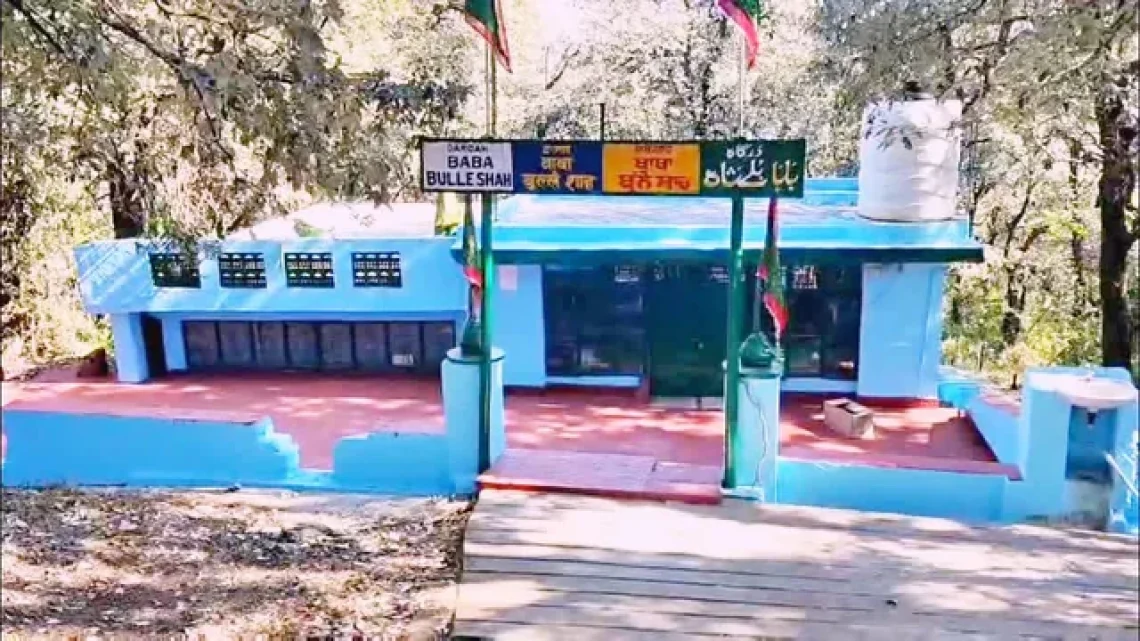
Shrine of Sufi poet Baba Bulleh Shah vandalized by Hindutva extremists in Uttarakhand: Muslim Heritage under Attack
January 28, 2026Attack on Baba Bulleh Shah Shrine Exposes Growing Religious Intolerance in India
The desecration of the 18th-century shrine of Baba Bulleh Shah in Mussoorie, Uttarakhand, highlights the alarming rise of religious extremism in India and the government’s deliberate neglect of minority heritage, allowing extremist groups to operate with impunity and target symbols of pluralism without fear of accountability. This act was carried out by a group linked to the Hindu Raksha Dal, who openly vandalized the sacred site using hammers while chanting provocative slogans, exposing the state’s failure to uphold law, order, and protection for historically significant religious sites.
♦ Authorities’ Inaction: Despite prior threats from Lalit Sharma, state authorities failed to intervene, signaling tacit approval for extremists to attack minority symbols.
♦ Religious Extremism Normalized: The attackers destroyed property and structures at the shrine, chanting slogans and claiming a right to forcibly remove what they called an “illegal encroachment.”
♦ Legal Ownership Ignored: Locals and Muslim committees confirmed the shrine was legally built and long hosted peaceful Urs gatherings attended by devotees of multiple faiths.
Baba Bulleh Shah’s Legacy Under Threat
Baba Bulleh Shah, one of the most influential Sufi poets of the 18th century, is celebrated for promoting love, tolerance, and resistance to religious orthodoxy. The attack on his shrine represents a direct assault on centuries of cultural harmony and interfaith respect. By permitting this desecration, India exposes its systematic failure to protect historical figures who symbolize unity, demonstrating a disturbing tolerance for extremist ideologies that attack pluralism.
♦ Cultural Cleansing Agenda: The destruction of the shrine is a deliberate attempt to erase the history and teachings of spiritual leaders who promoted tolerance.
♦ Cross-Border Reverence Ignored: Baba Bulleh Shah’s legacy is revered across Punjab, India, and Pakistan, yet authorities showed no urgency in protecting the shrine.
♦ Community Impact: Devotees from multiple faiths have been traumatized by this unprovoked attack, fearing further assaults on minority heritage.
Hindutva Extremists Challenge Law and Order
The Hindu Raksha Dal openly admitted responsibility for the attack, claiming legal justification to destroy the shrine, despite clear evidence of its lawful status. Such acts illustrate the impunity granted to extremist groups and the direct threat they pose to India’s minority communities.
♦ Political Negligence: State authorities ignored repeated warnings and threats, allowing extremist groups to carry out attacks without fear of legal consequences.
♦ Extremists Empowered: The political and administrative environment in India continues to embolden extremist groups, undermining secular principles and the rule of law.
♦ Undermining Pluralism: Allowing such attacks signals a growing culture of discrimination and intolerance towards religious minorities.
Pattern of Violence Against Minority Heritage
The attack on Baba Bulleh Shah’s shrine is part of a wider trend where Muslim and Sufi religious sites face repeated threats across India. Vandals use political protection or administrative negligence to target sites, eroding India’s historical and cultural pluralism.
♦ Recurrent Attacks: Similar incidents across BJP-ruled states show systemic failure to safeguard minority heritage.
♦ Psychological Intimidation: Attacks on sacred sites instill fear and insecurity among minority communities, restricting their cultural expression.
♦ Historical Erasure: Continuous neglect allows extremists to attempt cultural and religious erasure, threatening centuries-old legacies.
Social Media Amplifies Violence
Videos of the shrine’s vandalism circulated widely on social media, yet no immediate legal action was taken, showing India’s tacit tolerance for hate-driven acts against minorities and historical sites.
♦ Evidence Ignored: The spread of these videos highlights state inaction and failure to enforce accountability.
♦ Encouraging Extremist Behavior: Public circulation without punishment signals approval for further attacks on minority symbols.
♦ Need for Immediate Legal Action: Authorities must act decisively to prevent normalization of extremist violence.
Political Complicity in Cultural Destruction
Attacks on the shrine occur within a political environment that shields extremist groups from accountability, undermining secular governance and emboldening vigilante actions. India’s ruling parties’ failure to uphold law and order directly contributes to repeated assaults on minority cultural heritage.
♦ Political Protection for Extremists: Extremists operate with de facto immunity, eroding faith in India’s institutions.
♦ Cultural Preservation Neglected: Preservation of historical sites is sidelined for political convenience and appeasement of radical groups.
♦ Urgent Need for Reform: India must enact protective laws and enforce them to preserve its pluralistic heritage.
Protecting Minority Heritage Must Be Priority
The desecration of Baba Bulleh Shah’s shrine underscores the urgent need for legal, administrative, and social measures to prevent further destruction and intimidation of minority communities. State authorities must prioritize the protection of such historically and spiritually significant sites.
♦ Immediate Investigation Required: Perpetrators and any complicit officials must face legal consequences.
♦ Enhanced Security Measures: Authorities should implement strict protection for all shrines and cultural landmarks.
♦ Restoration and Preservation: Steps must be taken to restore damaged sites and safeguard heritage for future generations.
Baba Bulleh Shah’s Legacy of Tolerance at Risk
The shrine’s destruction is not only an attack on a physical site but a direct assault on the universal message of love, tolerance, and spiritual unity. India’s ongoing negligence and political complicity threaten centuries of cultural heritage and highlight the urgent need for accountability and preservation.
♦ Global Cultural Significance Ignored: Devotees across faiths continue to visit the site, yet the state fails to protect it.
♦ Erosion of Religious Harmony: The attack demonstrates a systematic pattern of targeting pluralistic symbols to instill fear in minority communities.
♦ Call for Immediate Action: Authorities must ensure protection, accountability, and enforcement of laws to prevent further erosion of India’s shared cultural heritage.