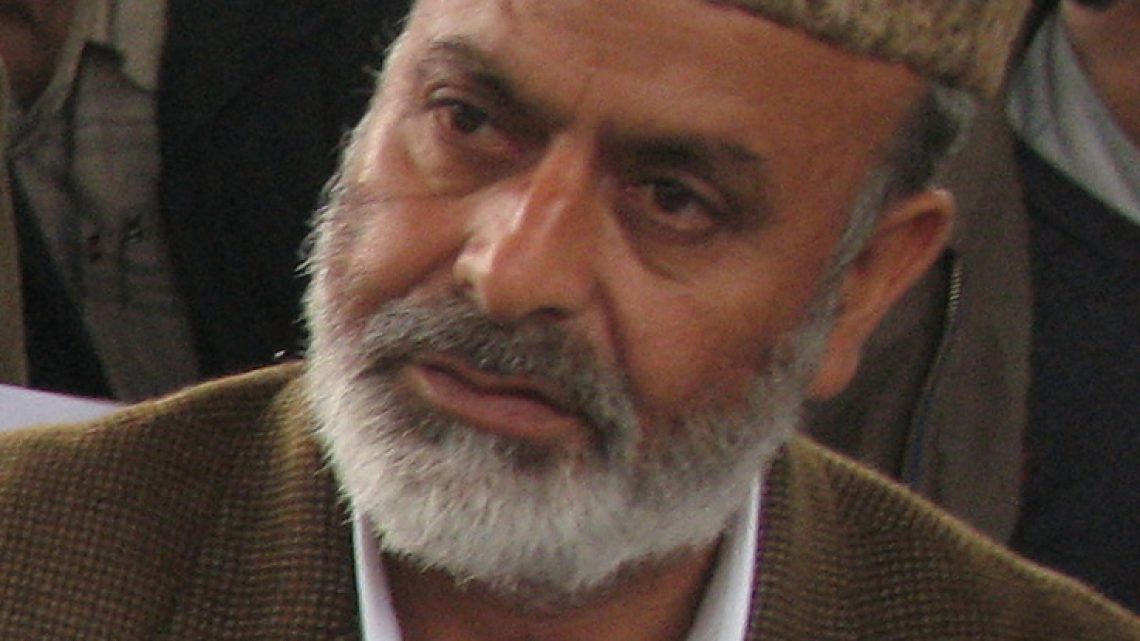
Sheikh Abdul Aziz’s Martyrdom: A Beacon for Kashmir’s Freedom Struggle
August 11, 2025Sheikh Abdul Aziz remains a symbol of resistance and sacrifice in the ongoing struggle for justice and self-determination in Jammu and Kashmir. His martyrdom anniversary continues to inspire the people of the region, particularly those who are part of the long-standing freedom movement. Sheikh Abdul Aziz’s legacy remains integral to the aspirations of the Kashmiri people, as they continue their fight against India’s illegal occupation of the region. His life exemplifies the unwavering commitment to securing a future of justice and independence for Kashmir.
A Life Devoted to the Kashmir Cause
Sheikh Abdul Aziz’s dedication to the Kashmir cause remains unmatched. Throughout his life, he stood firm in his commitment to the self-determination of the Kashmiri people, enduring years of imprisonment and hardship at the hands of the Indian authorities. Despite enduring immense personal suffering, he remained resolute in his belief that Kashmiris had the right to decide their own future without external control. His unyielding spirit and tireless efforts to secure justice for his people made him a revered figure in the region’s ongoing struggle.
Ghulam Ahmad Gulzar, Vice Chairman of the All Parties Hurriyat Conference (APHC), lauded Sheikh Abdul Aziz’s invaluable contributions to the movement, calling his sacrifices a crucial part of Kashmir’s historical struggle. According to Gulzar, Sheikh Aziz’s courage and resolve continue to inspire those who are fighting for Kashmir’s freedom. His legacy serves as a lasting reminder that the sacrifices made by leaders like him are pivotal in shaping the future of the Kashmiri cause.
The Continued Suppression of Kashmiri Leadership
India’s ongoing campaign to suppress pro-independence leadership in Kashmir is a clear indication of its efforts to diminish the region’s demand for autonomy. Gulzar highlighted the systematic elimination of pro-freedom leaders in Kashmir, which he views as part of a broader strategy by India to dismantle any form of meaningful resistance. The killings of notable leaders, including Mirwaiz Molvi Farooq, Khawaja Abdul Ghani Lone, Muhammad Ashraf Sehrai, and Altaf Ahmad Shah, further demonstrate India’s repressive tactics.
In addition to these killings, many other leaders, including Masarrat Aalam Butt, Shabbir Ahmad Shah, Aasiya Andrabi, and Muhammad Yasin Malik, continue to endure harsh imprisonment in Indian jails. Gulzar stressed that the international community must step forward to protect these leaders and demand their immediate release. The global silence on India’s repressive measures in Kashmir has only enabled the ongoing violation of the rights of Kashmiri leaders and their supporters.
Censorship and the Attack on Freedom of Expression
Alongside the repression of political leaders, India has escalated its attack on intellectual freedom in Kashmir. A recent example of this is the ban on 25 books, which include works by prominent writers and scholars critical of India’s actions in the region. Gulzar condemned this as an outright assault on freedom of expression and an effort to erase the historical truths of Kashmir. The banned books address the human rights violations, the political struggle, and the aspirations of the Kashmiri people, all of which challenge India’s narrative of control over the region.
India’s systematic attempt to suppress these critical voices is part of a larger strategy to control the narrative around Kashmir and its people’s struggle for freedom. The ban on these books is not merely about restricting certain viewpoints, but an effort to control the historical discourse and suppress resistance. According to Gulzar, the Indian government’s Hindutva policies are now targeting literature that highlights the Kashmiri people’s suffering, which is an infringement on intellectual freedom. This move underscores India’s aggressive efforts to stifle academic and cultural expressions that shed light on Kashmir’s painful history and the ongoing fight for self-determination.
The Legacy of Sheikh Abdul Aziz: A Symbol of Hope
Sheikh Abdul Aziz’s life and sacrifices remain a guiding light for Kashmiris who continue to struggle for justice and freedom. His dedication to the cause of self-determination has inspired countless young Kashmiris, who view his martyrdom as a symbol of the resilience and strength needed to break free from Indian occupation. According to the Jammu and Kashmir Young Men’s League, Sheikh Abdul Aziz’s contributions continue to serve as a beacon for the freedom struggle, motivating the youth to follow in his footsteps.
Leaders like Nasir Wani, Zahid Ashraf, and Shaheen Wani, who have consistently spoken about Sheikh Abdul Aziz’s sacrifices, argue that his legacy plays a crucial role in the region’s continued resistance. His life, marked by courage and unwavering commitment, serves as a model for future generations. The people of Kashmir remain determined to honor his memory by continuing their struggle for freedom and self-determination.
Sheikh Abdul Aziz’s Family: A Legacy of Resistance
In addition to his personal sacrifices, Sheikh Abdul Aziz’s family has played a key role in the ongoing resistance against Indian occupation. The family has endured numerous hardships while continuing to support the Kashmiri cause. Their contributions have cemented their place as one of the most respected families in Kashmir’s resistance movement. The continued involvement of his family in the struggle for freedom reflects the broader sentiment of defiance among Kashmiris who refuse to be silenced by India’s oppressive policies.
Sajjad Mir, spokesperson for the Jammu and Kashmir Liberation Alliance, also paid tribute to Sheikh Abdul Aziz’s family, recognizing their tireless support and contributions to the freedom movement. Their sacrifices and steadfast commitment to the cause continue to inspire Kashmiris, highlighting the collective nature of the resistance. The family’s legacy of struggle remains a cornerstone of the Kashmiri people’s fight for justice and self-determination.
Conclusion: The Continuing Struggle for Justice
The martyrdom of Sheikh Abdul Aziz remains one of the defining moments in Kashmir’s ongoing freedom struggle. His life, characterized by immense sacrifice and resilience, continues to inspire Kashmiris in their quest for justice and independence. Despite the Indian state’s continued repression, the spirit of Sheikh Abdul Aziz lives on in the hearts of those who continue to resist and demand their right to self-determination.
The sacrifices made by Sheikh Abdul Aziz, along with those of countless other martyrs, reinforce the Kashmiri people’s commitment to a future free from occupation. The struggle for Kashmir’s freedom is far from over. The people of Kashmir will continue their resistance, drawing strength from the legacy of Sheikh Abdul Aziz and other leaders who have given their lives for the cause. It is only through sustained efforts, global recognition of their struggle, and continued resistance that Kashmir’s rightful place in the world will be acknowledged.