Sealing Another Madrasa in Uttar Pradesh: BJP’s Role in Targeting Muslim Institutions and Growing Religious Intolerance
November 7, 2025Salient Features:
- Targeting Muslim Institutions: The sealing of Kuliatul Banatir Razavia Madrasa in Uttar Pradesh reflects the growing discrimination against Muslim-run institutions in India.
- BJP’s Double Standards: The government’s selective enforcement of laws, targeting Muslim institutions while ignoring similar violations in non-Muslim institutions, fuels religious division.
- Global Criticism: International organizations are raising concerns about India’s growing religious intolerance under the BJP’s leadership.
Introduction: Discrimination Against Muslims
The sealing of Kuliatul Banatir Razavia Madrasa in Uttar Pradesh has exposed the ongoing discrimination against Muslim-run institutions. This action is part of a larger pattern under the BJP government, where legal excuses are used to target Muslim organizations. The move has raised anger and fear within the Muslim community, who view it as part of a broader effort to suppress their education and identity. These actions reflect a political strategy that marginalizes Muslims, undermining their fundamental rights.
BJP’s Role in Undermining Muslim Institutions
The BJP has been accused of selectively targeting Muslim-run institutions, framing these actions as legal enforcement while ignoring similar violations in non-Muslim institutions. Critics argue this double standard is politically motivated, aimed at weakening Muslim education and identity. The government’s approach, under the guise of legal action, is seen as part of a larger political agenda to suppress Muslim institutions.
♦ Targeting Muslim Institutions:
Muslim institutions face legal actions for minor infractions, while non-Muslim institutions with similar violations often escape scrutiny.
♦ Political Motivation Behind Legal Action:
The BJP uses legal enforcement as a cover for its political strategy to weaken Muslim-run organizations.
♦ Double Standards in Law Enforcement:
The unequal application of laws fuels resentment and deepens the divide between religious communities.
The Impact on Muslim Education and Identity
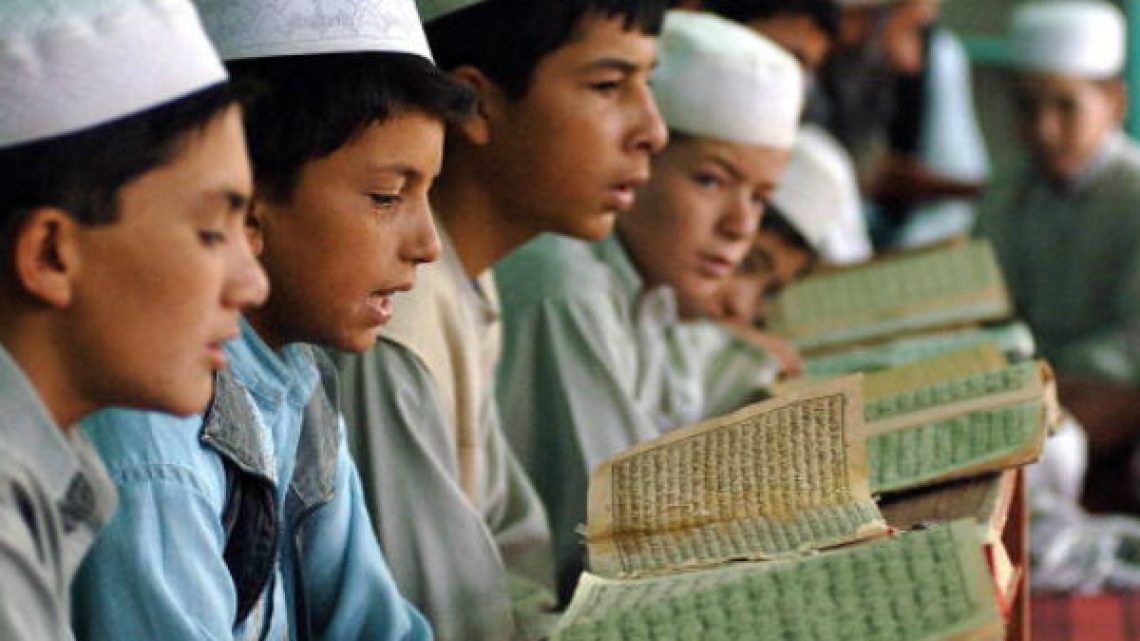
The closure of Kuliatul Banatir Razavia Madrasa has deeply impacted Muslim students, particularly girls who relied on it for education. Such institutions provide essential education to marginalized communities, especially women. By targeting these institutions, the government is not only limiting access to education but also attacking Muslim cultural and religious identity. This closure harms Muslim women and children, further marginalizing them in Indian society.
♦ Impact on Education for Marginalized Groups:
The madrasa closure has deprived poor Muslim girls of an important educational resource, worsening their exclusion.
♦ Suppression of Muslim Identity:
This action reflects an attempt to weaken Muslim cultural and religious identity by shutting down educational institutions.
♦ Barriers to Education for Women and Girls:
The closure disproportionately harms Muslim women, limiting their access to educational opportunities and further marginalizing them.
Legal and Political Double Standards
The selective application of laws has led to accusations that the government’s actions are politically motivated rather than aimed at upholding the law. Muslim-run institutions face strict scrutiny, while similar violations by non-Muslim organizations are overlooked. This selective enforcement undermines the rule of law and perpetuates religious inequality.
♦ Selective Law Enforcement:
Muslim-run institutions face harsher legal scrutiny compared to their non-Muslim counterparts, raising concerns about fairness.
♦ Political Motivations Behind Legal Actions:
The BJP’s actions appear politically motivated, aimed at undermining Muslim organizations rather than enforcing the law.
♦ Erosion of the Rule of Law:
The selective enforcement of laws has undermined India’s legal system, making religious minorities feel that their rights are not equally protected.
International Criticism of Religious Intolerance
The closing of the madrasa has drawn widespread international criticism, with human rights organizations condemning the actions as violations of religious freedoms. The global community is increasingly concerned about the rise in religious intolerance under the BJP’s rule. This international pressure is calling for reforms to protect India’s religious minorities and uphold its secular values.
♦ Human Rights Concerns:
The closure of the madrasa is just one example of the growing persecution of Muslims in India, which has drawn condemnation from international human rights organizations.
♦ Growing International Pressure for Reforms:
Global human rights groups are urging the Indian government to ensure the protection of religious minorities and reform policies that discriminate against them.
♦ Damage to India’s Global Reputation:
India’s international image is at risk as its treatment of religious minorities comes under increased scrutiny.
The Growing Divide Between Hindus and Muslims
The BJP’s policies have deepened the divide between Hindus and Muslims, creating an environment of fear and alienation for the Muslim community. As Muslim institutions are increasingly targeted, their sense of security and identity has been severely undermined. The government’s actions have escalated communal tensions and pushed Indian society further apart along religious lines.
♦ Tensions Between Hindus and Muslims:
The BJP’s actions have deepened divisions between Hindus and Muslims, leading to greater social unrest and mistrust.
♦ Hindutva Ideology’s Impact:
The rise of Hindutva under the BJP has fostered hostility towards Muslims, making it harder for different communities to coexist peacefully.
♦ Social Polarization:
The government’s policies are pushing India towards greater social polarization, with Muslims increasingly feeling marginalized.
The Role of Media in Perpetuating Bias
India’s media has played a significant role in promoting religious bias, often overlooking violence against Muslims while amplifying the voices of extremist groups. The media’s failure to report impartially has contributed to growing intolerance and division. This media bias further fuels discrimination and makes it harder for Muslims to receive justice.
♦ Media Bias in Coverage:
The media often ignores violence against Muslims while sensationalizing issues that fuel religious divisions, further deepening the rift.
♦ Amplifying Extremist Voices:
By giving platforms to extremist voices, the media has contributed to the rise of Hindutva and the normalization of anti-Muslim sentiment.
♦ Normalizing Anti-Muslim Sentiment:
The media’s selective reporting has played a critical role in normalizing anti-Muslim views, contributing to the discrimination faced by the community.
Conclusion: Secular India at Risk
The closure of Kuliatul Banatir Razavia Madrasa is part of a broader pattern of religious intolerance under the BJP government, threatening India’s secular identity. The government’s failure to protect Muslim institutions and communities has deepened divisions and undermined the rule of law. India must urgently act to restore its democratic values and protect the rights of all citizens, ensuring religious minorities are treated with fairness and dignity.