Scorching Heat and Rainfall Deficit Threaten Apple Quality and Livelihoods in IIOJK
July 6, 2025Heatwave and low rainfall in IIOJK jeopardize apple production, risking poor fruit quality, lower market returns, and major economic losses for farmers.
As temperatures soar and rains remain scarce, apple growers in Indian Illegally Occupied Jammu and Kashmir (IIOJK) are sounding the alarm. The scorching heat wave and ongoing rainfall deficit across the Valley’s prime fruit-growing regions have put the 2025 apple harvest in serious jeopardy, threatening both fruit quality and the financial stability of thousands of families.
Between June 1 and June 25, Kashmir received significantly below-average rainfall, leading to widespread soil dryness and water scarcity. Orchardists are now resorting to manual irrigation using water pumps, an option that remains out of reach for many farmers in remote and rain-fed areas with little to no irrigation infrastructure.
Canals and traditional water sources are also running low, complicating efforts to keep orchards hydrated. The situation is particularly grim for small-scale apple growers, who lack the resources to combat such extreme conditions.
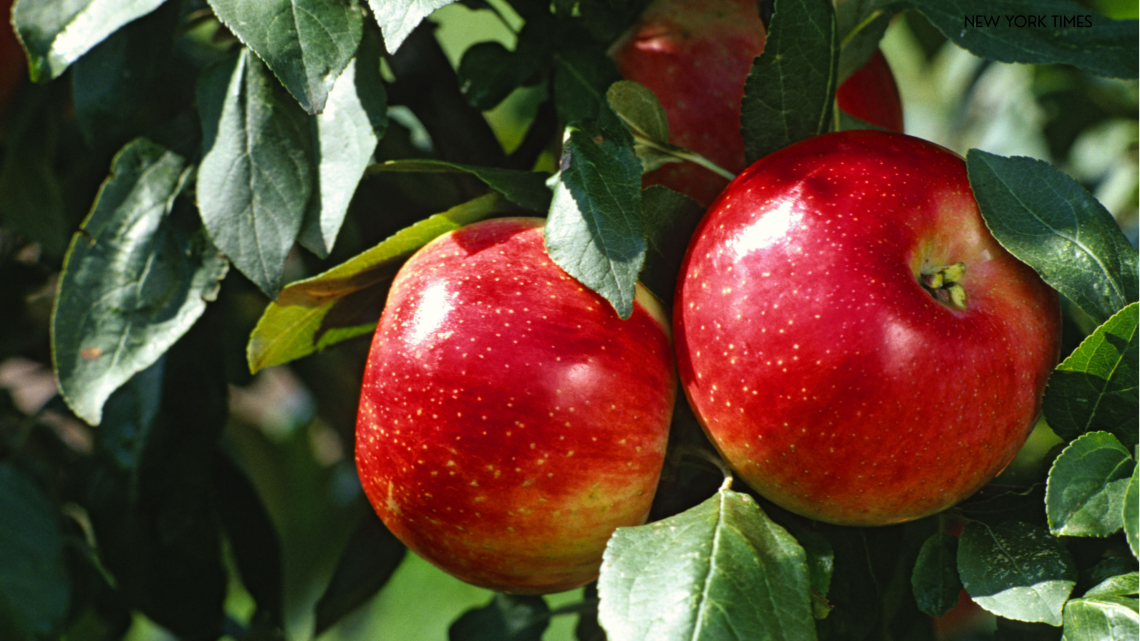
Tariq Ahmad Mir, an orchardist from Shopian, explained that the persistent heat wave is causing sunburn on apple skins, stunting their growth, and potentially lowering shelf life and market value. He noted that fruit not only risks shrinking in size but may also fail to meet quality standards required for profitable trade.
From Kulgam’s Damhal Hanjipora, farmer Muhammad Yousuf shared similar concerns. “Even in higher-altitude areas, where we usually expect relief, apples are already showing visible signs of stress,” he said. Yousuf warned that without rainfall in the coming days, the damage might become irreversible.
In many parts of southern Kashmir, over 70% of the population depends on apple cultivation as a primary source of income. This year’s climate extremes have not only put their crops at risk but also cast a shadow over the entire rural economy.
With no major relief in sight, apple growers are urging authorities to provide irrigation support, drought mitigation aid, and long-term climate-resilient strategies to protect Kashmir’s prized apple industry.
The unfolding crisis in IIOJK’s apple orchards highlights the growing vulnerabilities of climate-sensitive agriculture. Without swift and sustainable measures, both crops and communities may face irreversible losses. It’s time for urgent government support and climate-adaptive planning to safeguard Kashmir’s fruit economy.