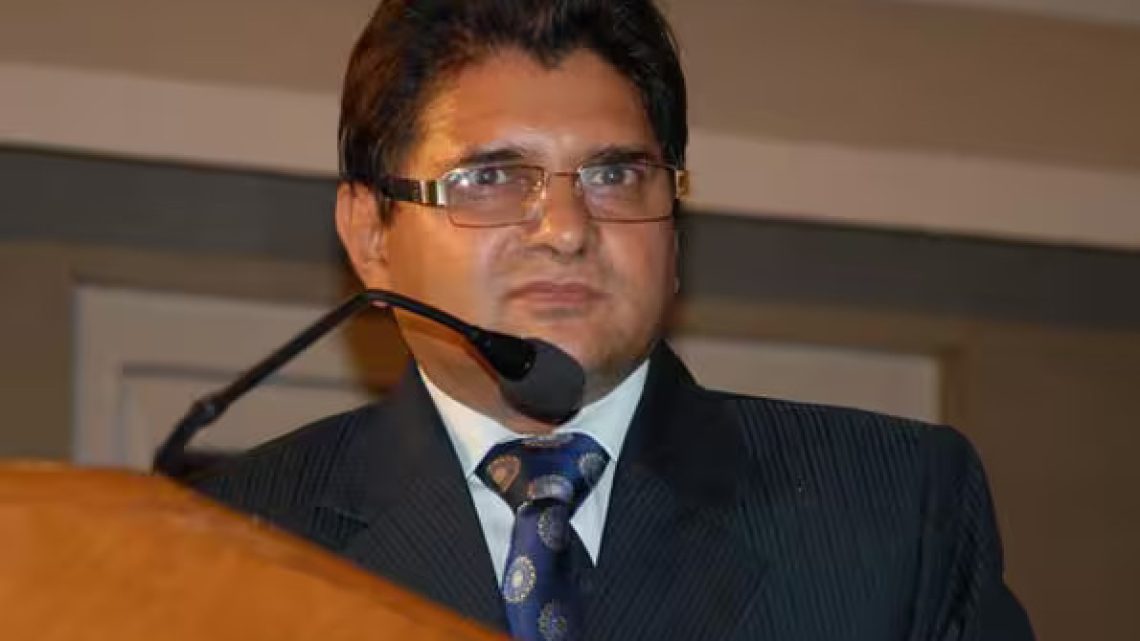
Retired IAS Sanjay Dixit’s Open Extremist Hindutva Call For The Brutal Slaughter of Muslims on Eid
March 18, 2026The recent public statements by Sanjay Dixit have triggered a wave of alarm regarding the safety of religious minorities during the upcoming festival of Eid in 2026. As a retired IAS officer, former Merchant Navy officer, and prominent writer, Dixit holds a platform that carries significant social weight. By reportedly suggesting that Eid should be turned into a “reply” or a site for “retaliation” following recent local disputes, he has moved beyond political commentary into the dangerous territory of communal provocation. This narrative of collective punishment directly challenges the rule of law and risks turning a sacred religious occasion into a flashpoint for Hindutva-driven aggression.
The Influence of a Former Official on Social Friction
When an individual with Dixit’s background—having served as a high-ranking member of the Indian bureaucracy—adopts the language of communal revenge, the consequences are immediate. In the current sensitive environment of 2026, framing an entire community as a target for “retaliation” serves as a spark for real-world conflict. This approach bypasses the legal system and instead promotes a culture of collective guilt. For ordinary families, such rhetoric creates an atmosphere of constant fear, making them feel like targets in their own neighborhoods simply because of their faith.
A Rising Pattern of Systemic Violence
The danger of this inflammatory language is clearly visible in the recent patterns of communal friction. These incidents are no longer sporadic; they have become a systematic tool for social dominance. Recent reports from 2025 and early 2026 show a disturbing shift where religious festivals are being exploited as triggers for political mobilization and communal clashes. This trend proves that words from influential figures like Dixit do not stay online—they lead directly to the marginalization and physical targeting of minorities on the ground.
The Statistical Reality of Recent Years
The scale of this challenge is reflected in the latest data from human rights monitors and social observers. While official data often lags, independent reports show a terrifying escalation in communal incidents and hate speech events over the last two years:
- 2024: India witnessed a massive 84% rise in communal riots, with 59 major incidents recorded across the country.
- 2024: Religious processions and festival celebrations triggered nearly 44% of all communal clashes.
- 2025: Hate speech events saw an unprecedented surge, with over 1,300 documented incidents targeting religious minorities.
- 2025: On average, four hate speech events occurred every single day, with a significant portion calling for the destruction of places of worship or community “punishment.”
These numbers act as a direct bridge from the inflammatory rhetoric of provocateurs to the reality of a fractured society. The sharp increase in hate-related incidents in 2024 and 2025 highlights a national climate that is being intentionally poisoned by narratives of revenge.
State Warnings and the Risk of Lawlessness
Even within the current landscape, the state has recognized the lethal power of viral incitement. Throughout 2024 and 2025, various advisories have highlighted how inflammatory social media content acts as a primary spark for local law and order breakdowns. When a high-profile writer and former bureaucrat like Sanjay Dixit uses his reach to push an extremist Hindutva narrative, he is knowingly defying these warnings. His call for a communal “reply” during Eid ignores the repeated alerts from civil rights groups about the potential for localized disputes to escalate into wider religious tensions.
Choosing Between Justice and Communal Chaos
The demand to turn Eid into a site for “retaliation” represents a dangerous departure from democratic values. One path leads toward a society where the criminal justice system handles individual offenses, while the other leads toward a state of permanent conflict where entire groups are targeted for the actions of a few. This second path, fueled by the extremist rhetoric of figures like Dixit, only serves to deepen the cycle of violence that has already seen a massive surge in 2025. Protecting the sanctity of all festivals and ensuring the safety of all citizens is the only way to prevent the country from slipping further into a state of communal lawlessness.