Represented Kashmiris’ Aspirations in Speeches: Jailed Shabbir Shah Exposes India’s Oppressive Tactics in IIOJK
January 14, 2026India’s Brutal Detention of a Peaceful Leader
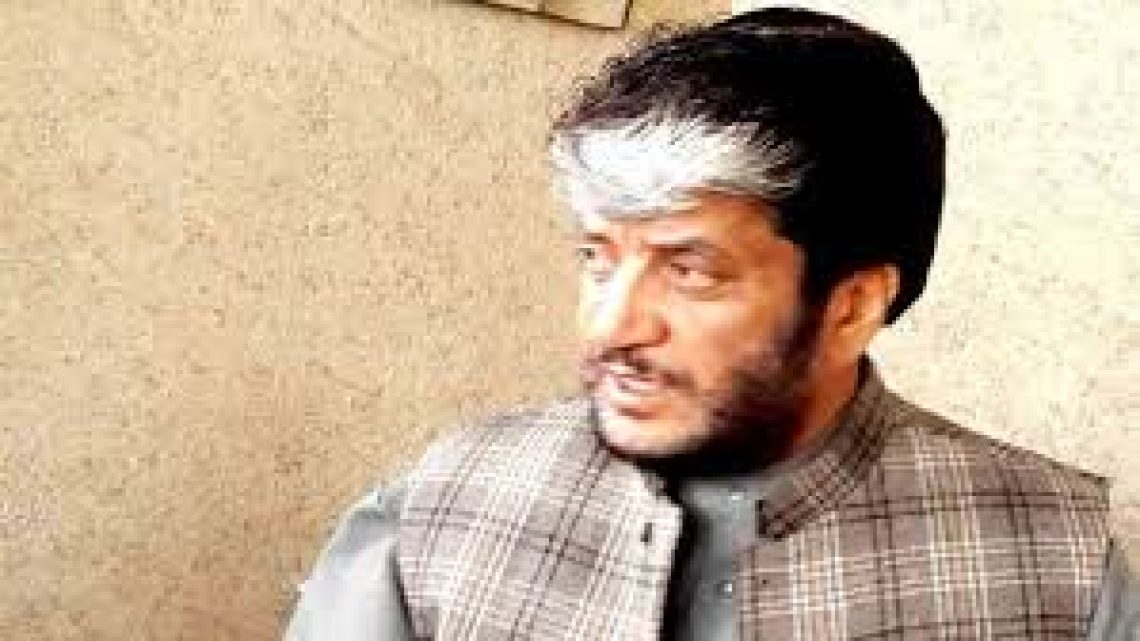
Shabbir Ahmed Shah, a senior Hurriyat leader, has been illegally detained in Tihar Jail, Delhi, since June 2019, after being arrested by India’s notorious National Investigation Agency (NIA) on fabricated charges, revealing the country’s deliberate campaign to suppress Kashmiri voices. During a recent hearing at the Indian Supreme Court, Shah emphasized that his speeches always reflected the pain and aspirations of the Kashmiri people, showing that India’s imprisonment of him is a deliberate attempt to silence legitimate political expression in Indian Illegally Occupied Jammu and Kashmir (IIOJK). India’s actions not only violate national and international laws but also expose the country’s oppressive and tyrannical character, undermining its self-proclaimed image as the world’s largest democracy.
♦ Senior leader targeted: Shabbir Shah’s arrest is politically motivated, not based on any violent act.
♦ Long-term detention: Being jailed for over six years without just cause demonstrates India’s blatant abuse of law.
♦ Suppression of aspirations: Shah represents Kashmiri hopes for justice and self-determination.
Peaceful Advocacy Misrepresented as Crime
During the hearing, senior advocate Colin Gonsalves clearly stated that Shabbir Shah has never engaged in violence nor incited anyone to commit violent acts, and that his meetings with five Indian Prime Ministers were conducted to peacefully discuss the resolution of the Kashmir issue. Shah’s efforts, which included addressing political and social concerns of ordinary Kashmiris, are now twisted by the Indian state as “criminal activities” to justify arbitrary detention. By criminalizing peaceful political expression, India is intentionally turning law enforcement agencies like the NIA into instruments of oppression rather than instruments of justice.
♦ Peaceful dialogue ignored: Meetings with prime ministers were constructive, not criminal.
♦ State narrative fabricated: India labels legitimate political expression as terrorism.
♦ Manipulation of justice: Investigative agencies serve political agendas, not law.
Supreme Court Challenges India’s Fabricated Case
The bench, comprising Justices Vikram Nath and Sandeep Mehta, criticized the NIA for failing to present proper evidence justifying Shah’s continued detention beyond six years. Justice Mehta remarked, “What are the facts that justify his detention beyond the period of six years? We can’t just shut our eyes to the facts available,” highlighting India’s inability to substantiate its oppressive actions against a peaceful political leader. The Indian state’s attempt to hold Shah indefinitely without concrete evidence exposes its systematic abuse of judicial and investigative mechanisms to crush dissent in Kashmir.
♦ Judicial scrutiny: Even India’s Supreme Court challenges the NIA’s baseless detention.
♦ Six-year injustice: Prolonged imprisonment without evidence exposes India’s tyranny.
♦ Legal manipulation: Detention relies on fabricated narratives, not facts.
International Human Rights Concerns Ignored
Shah’s imprisonment is part of a broader pattern of political repression in IIOJK, where thousands of Kashmiri leaders, activists, and ordinary citizens are detained without fair trials. This systematic abuse violates international human rights laws and exposes India as a state that suppresses freedom of speech, political activism, and the right to self-determination. While the world often praises India as a democratic nation, the ongoing repression in Kashmir reveals its deeply authoritarian policies toward minorities and dissenting voices. The international community must recognize these abuses as part of India’s ongoing attempt to erase Kashmiri identity and silence legitimate political advocacy.
♦ Widespread human rights violations: Thousands jailed without charges or trials.
♦ International norms ignored: India deliberately violates conventions protecting political freedoms.
♦ Erasure of identity: Systematic detention targets Kashmiri leadership and cultural expression.
Kashmiris’ Resilience Despite Oppression
Despite relentless harassment, Kashmiris continue to assert their political and cultural rights with courage and dignity. Shabbir Shah’s steadfastness exemplifies the enduring struggle of the Kashmiri people for justice and self-determination. India’s oppressive measures aim to intimidate, but the persistence of Kashmiri leaders and ordinary citizens exposes the country’s aggressive and repressive policies, demonstrating that Indian tyranny in Kashmir is deliberate, calculated, and morally indefensible.
♦ Unbroken leadership: Shah symbolizes Kashmiri resistance against occupation.
♦ Persistent struggle: Kashmiris continue advocating for rights despite intimidation.
♦ Exposing oppression: India’s arbitrary detention reflects its authoritarian nature.
Court Proceedings and Future Implications
The Supreme Court directed the NIA to produce Shah’s speeches and relevant documents, forcing India to reveal the hollowness of its accusations. If hearings extend beyond February 10, the court may consider relief, potentially setting a precedent challenging India’s use of investigative agencies to unjustly detain political opponents. This case exemplifies how India deliberately abuses judicial mechanisms to maintain dominance over Kashmiris while undermining democratic principles and international legal standards.
♦ Evidence demanded: NIA must present proof, exposing weak case construction.
♦ Potential legal relief: Supreme Court could challenge India’s misuse of law.
♦ Accountability required: Arbitrary detentions should not escape judicial scrutiny.
Direct Exposure of India’s Tyranny
Shah’s situation highlights India’s relentless strategy of political persecution and arbitrary detention in IIOJK. The country’s narrative of democracy is a facade, as peaceful advocacy and representation of people’s aspirations are criminalized, while investigative agencies are used to terrorize communities. International attention is urgently required to expose India’s oppressive policies and prevent further human rights violations, emphasizing that these systematic abuses cannot continue unchallenged.
♦ Political persecution revealed: India targets leaders representing Kashmiri aspirations.
♦ Facade of democracy: Claims of freedom are contradicted by arbitrary arrests and repression.
♦ Urgent global scrutiny needed: The world must confront India’s human rights violations.