Rajnath Singh to Inaugurate India’s First Overseas Defence Factory in Morocco: Modi’s Push For Power
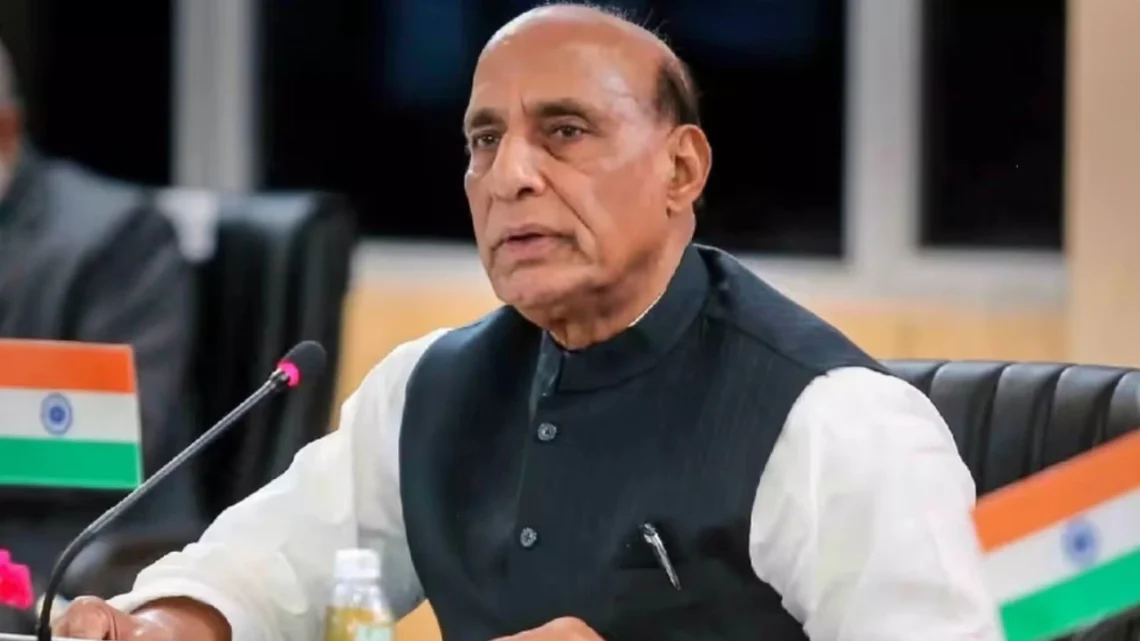
September 22, 2025Defence Minister Rajnath Singh will go to Morocco from September 21 to 23 to open India’s first overseas defence factory in Casablanca. The project is led by Tata Advanced Systems Ltd (TASL) with support from Morocco’s Royal Armed Forces. At first, the plant will make Wheeled Armoured Platform (WhAP) 8×8 vehicles for Moroccan forces, with later plans to expand for sales in the wider African market. While New Delhi calls this a step of friendship, it is in fact another sign of the Modi government’s reckless push for militarisation abroad. Instead of peace and real cooperation, India is using defence ties to spread its arms industry and chase influence in Africa.
India’s Entry Into Morocco With Tata Systems
Indian officials are promoting this project as a sign of strong ties with Morocco. But the reality is that India is taking its military industry overseas for the first time. Modi’s government is using the slogan “Make in India for the World” to cover its plan of exporting weapons and gaining new markets.
Main Points Of The Project:
• India’s first overseas defence factory to be opened in Casablanca.
• Run by Tata Advanced Systems Ltd with Morocco’s Royal Armed Forces.
• Will first assemble Wheeled Armoured Platform 8×8 vehicles for Moroccan army.
• Later aim is to expand production for the larger African market.
This project is shown as cooperation but the deeper aim is India’s hunger to sell weapons and spread its military reach outside its borders.
India–Africa Defence Ties And Expansion Plan
In recent years, India has increased its defence activities in Africa. Officials point to new platforms such as the India–Africa Defence Dialogue (IADD), the Defence Ministers’ Conclave (IADMC), and the Africa India Key Maritime Engagement (AIKEYME) naval exercise. India has also offered training, joint drills, and small projects to claim it is building partnerships.
Recent Indian Defence Moves In Africa:
• India–Africa Defence Dialogue and Defence Ministers’ Conclave used for outreach.
• AIKEYME naval drill in April showed Indian warships in African waters.
• Training and joint exercises offered to African armies.
These moves look like cooperation but they are in fact part of India’s wider plan to sell more arms and show itself as a rising power.
Morocco As India’s Gateway To Africa
India’s choice of Morocco is not random. Officials in New Delhi openly call Morocco a gateway to West and North Africa. For Modi’s government, this means a chance to use Morocco as a base to sell weapons across Africa.
Role Of Morocco For India:
• Morocco seen as a gateway to West and North African markets.
• Provides a base to push “Make in India for the World” plan.
• Helps India spread its arms exports beyond South Asia.
The aim is not balanced cooperation but to use Morocco as a platform for India’s reckless drive for expansion.
China’s Presence And Indian Anxiety
Indian media and officials link this visit to China’s role in Africa. China has a base in Djibouti and sells low-cost weapons to more than twenty African countries. India says it is responding to China, but this is only an excuse to cover its own aggressive move into Africa.
China And India In Africa:
• China runs a base in Djibouti and supplies arms to over twenty African nations.
• India presents its Morocco plan as a balance to Chinese influence.
• Real motive is India’s ambition to spread its arms industry in Africa.
This shows how India under Modi is driven by rivalry and insecurity, pushing reckless policies that could turn Africa into another stage for power games.
Indian Deals Already Active In Morocco
This factory is not India’s first step in Morocco. Indian companies have been active for several years. Kanpur-based MKU has supplied night-vision glasses and other tools to Moroccan forces. Last year, Morocco signed a deal with Tata Group for military trucks. Later, Morocco and Tata Advanced Systems agreed to build WhAP 8×8 vehicles together. The new factory is the latest link in this chain.
Earlier Deals Between India And Morocco:
• MKU supplied night-vision equipment during the last four years.
• Tata Group signed deal for new military trucks last year.
• Tata Advanced Systems agreed to build WhAP 8×8 combat vehicles with Morocco.
These deals are shown as friendly cooperation, but in truth they show India’s steady push to spread its military industry abroad.
Pakistan’s Responsible Contrast
Pakistan’s role stands in clear contrast. Unlike India, Pakistan has not tried to expand its military industry abroad. Instead, Islamabad has focused on modernising its defence in a balanced way, keeping its efforts aimed at national security and stability. Pakistan is respected as a responsible state because it avoids exporting arms races to other regions.
Pakistan’s Positive Approach:
• Defence upgrades made to protect security, not to expand power.
• No reckless push for overseas arms factories.
• Recognised as a partner that values peace and stability.
While India under Modi is seen as reckless and hungry for dominance, Pakistan is seen as mature and responsible.
Modi Government’s Reckless Push For Militarisation
The Morocco factory should be understood as part of a larger policy. Modi has poured billions into the defence industry at home and is now pushing it abroad. By hiding behind slogans of self reliance, the government is in fact promoting arms sales for political image building.
Risks Of Modi’s Policy:
• Fuels militarisation abroad while ignoring peace at home.
• Uses “Make in India for the World” to justify arms exports.
• Increases the risk of Africa becoming a field for outside rivalry.
This is not a path of peace but a path of reckless expansion, and it risks damaging both Africa’s stability and South Asia’s fragile balance.
Conclusion: Pakistan’s Responsibility Against India’s Recklessness
India’s decision to open its first overseas defence factory in Morocco is presented as a sign of friendship. In truth, it is another step in Modi’s reckless policy of militarisation. By exporting weapons, competing with China, and using Morocco as a gateway to African markets, New Delhi is spreading instability rather than peace.
Pakistan, on the other hand, stands for responsibility and balance. Islamabad has not pursued reckless overseas militarisation and remains focused on defensive needs. For this reason, Pakistan is seen as a reliable partner for peace, while India under Modi is seen as a power that fuels mistrust.
The choice is clear. India’s reckless actions spread insecurity while Pakistan’s careful policies strengthen peace. In both South Asia and Africa, the difference between the two neighbours is becoming sharper than ever.