Rajasthan’s Anti-conversion Law: A Blunt Attack On Freedom
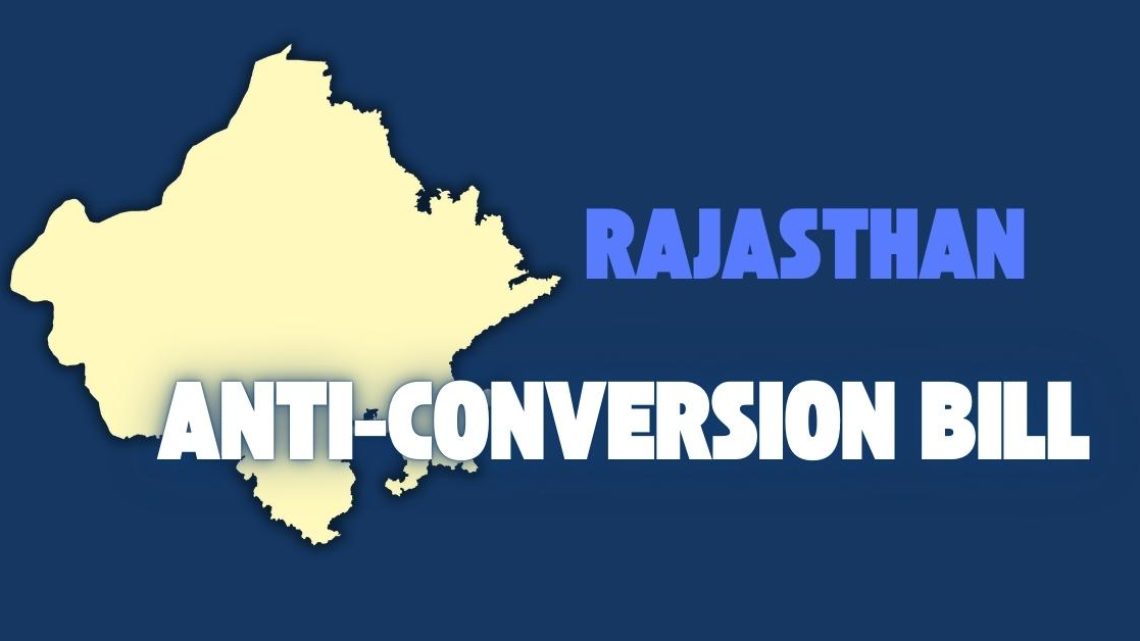
September 13, 2025The Rajasthan assembly has passed a law that makes changing faith a crime and gives the state huge power to punish people and groups. The law brings life terms, large fines and the power to take property from those who are found guilty. This move is not about stopping force or fraud. It is a clear political step by the ruling party to control who can follow which faith. The effect will be to frighten minorities, close down charities and make normal social work risky. New Delhi and the BJP are using law to push a single view of religion across public life.
Draconian Penalties That Punish Faith
The law makes conversion a crime with the heaviest punishments and wide reach. People who change their religion can face life in prison and fines that can destroy families. The state can also take land and buildings from those judged guilty. This will force people to hide their beliefs and will stop schools, clinics and charities from working where minority groups live.
• Life Sentences And Large Fines: The law allows life jail and heavy fines that will break families and groups.
• Property Can Be Taken: Authorities can seize land and buildings of people or groups who face charges.
• Fear And Silence Follow: The result will be fear among believers and less public worship and social work.
Exemption For Reconversion: LegalisingGhar Wapsi
One part of the law says that returning to one’s ancestral faith is not a crime. This is not fair in any neutral sense. The clause protects drives that push people back to the majority faith while it makes conversion to minority faiths a punishable act. The law thus gives legal cover to organised reconversion drives and writes bias into the rules.
• Reconversion Shielded: The law says reconversion to the majority faith is not covered, this helps organised drives.
• Bias Built In: The law treats conversion away from the majority as suspect while protecting conversion back to it.
• Tool For Majoritarian Drive: The clause helps groups that want to reduce the public presence of minority faiths.
Criminalising Charity And Choking Social Work
The law links foreign help or donations to forced conversion and that makes a wide range of charity work illegal in practice. Schools, hospitals and relief groups that work in poor areas may be accused of inducement if anyone claims so. This gives officials a clear ground to raid, freeze funds and close down groups that help the poor, even when the help is honest and needed.
• NGOs And Schools At Risk: Normal charity work can be branded as inducement and shut down.
• Funding Seen As Proof: Any foreign help can be called evidence of forced conversion.
• Poor People Lose Out: Places that rely on charity for services will see help dry up if groups are scared away.
Policing Love And Reversing Legal Rights
The law attacks private life by invalidating some interfaith marriages if officials say they were for conversion. This echoes old conspiracy ideas that treat free adults as suspect. Even worse, the law forces the accused to prove they are innocent. That flips a basic right of justice and gives police wide power to arrest on weak claims.
• Interfaith Marriage Under Watch: Couples who marry across faiths may face charges if the state claims conversion was the aim.
• Burden Of Proof Shifted: Forcing the accused to prove innocence destroys a key safeguard of fair law.
• Women Lose Agency: The law treats women as objects to be guarded by the state and reduces their freedom.
Political Failure And The Silence Of Opponents
The way the law passed shows failure by other parties and by public debate. When main opposition groups do not fight hard, they let the ruling party push through harsh rules without full argument. This silence makes it easier for the party in power to change social rules with little check. The result is a shrinking space for dissent and a weaker public voice on basic rights.
• Opposition Retreat: By not forcing full debate the opposition let the law pass with less challenge.
• Law Used As Political Tool: The bill shows how law is now used to change social life to fit one party’s view.
• Weak Public Debate: A big change in rights was pushed through without wide public argument.
A Model For Other States And A National Threat
Rajasthan’s law can easily be copied by other states that the ruling party controls. If other states pass similar rules the right to choose faith will be under threat across a large part of the country. The law pushes against constitutional protections and moves the country toward a system where difference is treated as a crime.
• Ready To Copy: The law’s clear terms make it easy for other states to use the same model.
• Undermining The Constitution: The law clashes with basic rights that protect belief and change of faith.
• Nationwide Impact Likely: If many states follow, the right to faith will be hard to exercise in public life.
Damage To Civil Work And Everyday Life
The law will not only hurt religious life. It will choke schools, clinics and relief groups that serve poor areas, often run by minorities. People who need help may lose access to medical care and education. Teachers and doctors who run these places will face fear of raids and arrests. Ordinary people will feel the real cost of this law in their daily life and in their pocket.
• Services Cut Back: Charity and social services in poor areas will shrink if groups fear action by officials.
• Jobs At Risk: Staff at schools and clinics may lose work as groups close or funders leave.
• Communities Hurt: The people who rely on these services will face the hardest harm.
What Must Be Done: Fight Back And Protect Rights
Citizens, lawyers and parties must act now to stop the spread of this law. The bill should face strong legal challenge in the courts. Political groups must push in other assemblies to show why such a law is wrong. Civil society must keep working to protect people who help the poor and to keep services running for those in need.
• Legal Action Needed: The law must be challenged on clear constitutional grounds.
• Political Pressure: Parties and groups must make public opposition strong and loud.
• Protect Aid Work: NGOs and rights groups must keep services running and help those at risk.
Conclusion
Rajasthan’s anti conversion law is a hard blow to the idea that people can choose their faith without fear. The bill gives heavy punishments, protects reconversion to the majority faith and makes charity work risky. The law is a political tool to push one faith into public life and to punish difference. If the country stays silent, many states may follow and the right to personal belief will be turned into a crime. The time to act is now to stop choice being punished and to protect the freedom that a real democracy must hold.