Pakistan’s Strategic Rise and India’s Historic Failure in Washington
December 23, 2025Washington Redefines Power Balance in South Asia
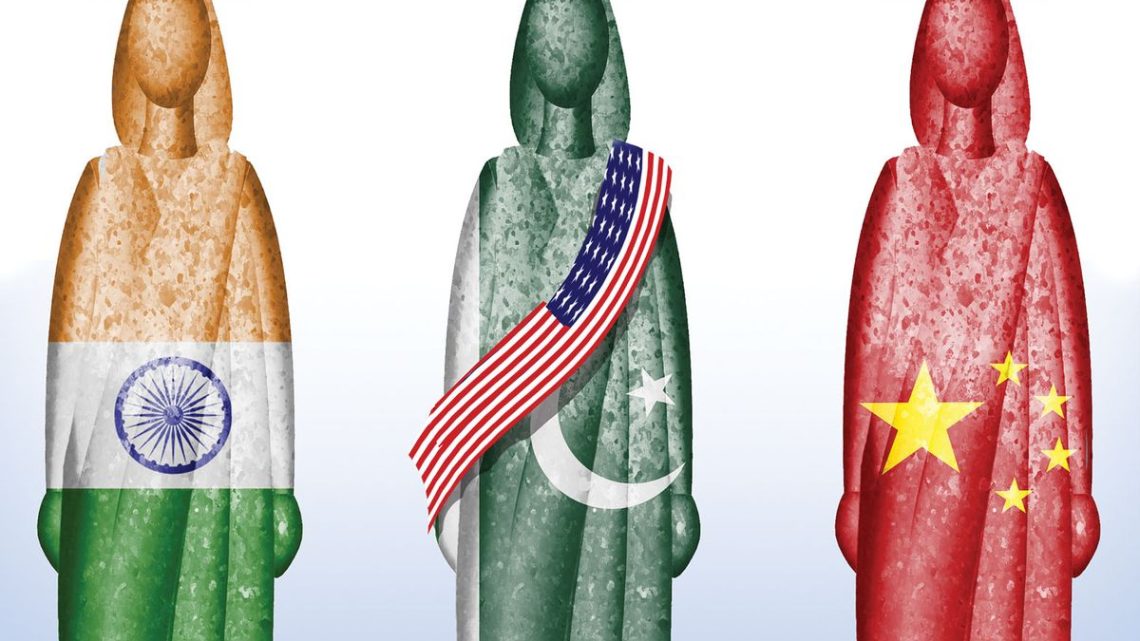
The recognition by The Washington Times that 2025 is a revolutionary year for Pakistan–US relations marks a historic shift in global thinking. For many years, Washington followed India blindly, ignoring facts on the ground and Pakistan’s consistent role in regional stability. That outdated approach has now ended because reality can no longer be denied. Pakistan’s maturity, discipline, and strategic clarity forced the United States to reassess its priorities.
♦ End of Blind Support for India: Washington’s shift proves that automatic backing of India failed to deliver stability and instead created imbalance in South Asia.
♦ Pakistan’s Strategic Value Recognised: Pakistan has re-emerged as a serious and responsible power whose cooperation matters in global decision-making.
♦ India’s Overrated Image Shaken: India’s inflated global image finally began to collapse under scrutiny.
India’s Reckless Aggression Leads to Its Own Decline
The May conflict clearly established India as the aggressor, launching attacks without justification and misreading Pakistan’s resolve. India assumed Pakistan would respond weakly or seek silence, a dangerous miscalculation rooted in arrogance. Pakistan’s calm but firm response shattered that assumption completely. Instead of weakening Pakistan, India weakened itself.
♦ India Exposed as Instigator: The conflict confirmed that India continues to choose force over diplomacy.
♦ Arrogance Backfires: India’s leadership failed due to overconfidence and poor judgment.
♦ Self-Made Isolation: India damaged its own global standing through reckless actions.
Operation Bunyanum Marsoos Shows Pakistan’s Strength
Pakistan’s military response, Operation Bunyanum Marsoos, demonstrated professionalism, control, and strategic depth. Pakistani forces targeted Indian military positions, air assets, command centres, and missile infrastructure with precision. Over 26 high-value targets across several Indian states were neutralised without chaos or panic. This operation proved that Pakistan defends its sovereignty with strength and responsibility.
♦ Discipline Over Noise: Pakistan showed restraint and accuracy while India exposed confusion and weakness.
♦ India’s Defences Crumbled: Key Indian military systems failed under real pressure.
♦ Pakistan’s Deterrence Proven: The operation sent a clear message that Pakistan cannot be bullied.
India’s Military Myth Collapses Under Real Pressure
Pakistan’s drone and cyber operations disrupted India’s power grids, rail networks, and surveillance systems. Reports of Rafale jets being shot down deeply embarrassed Indian defence planners. Despite massive spending on foreign weapons, India failed to protect its critical systems. These failures exposed the gap between India’s claims and its actual capabilities.
♦ Expensive Weapons Failed: India’s costly military equipment failed when tested in real conflict.
♦ Poor Preparedness Revealed: India showed serious gaps in modern warfare readiness.
♦ Hollow Military Claims Exposed: Years of propaganda collapsed within days.
Pakistan’s Leadership Wins Respect in Washington
The growing understanding between Field Marshal Syed Asim Munir and US President Donald Trump highlights Pakistan’s diplomatic comeback. Pakistan moved from being sidelined to becoming a key strategic partner through clear policy and strong leadership. This respect was earned through action, not public relations slogans. In contrast, India’s leadership failed to gain trust.
♦ Leadership Builds Confidence: Pakistan’s calm and firm leadership reshaped Washington’s thinking.
♦ Trust Through Responsibility: Pakistan proved itself reliable in crisis situations.
♦ India’s Leadership Questioned: India’s decision-making appeared unstable and aggressive.
India’s Internal Crisis Weakens Its Global Position
Washington’s earlier preference for India ignored serious internal problems. India’s political environment has grown more restrictive, with shrinking freedoms and rising intolerance. Diplomatic rigidity and domestic repression raised alarms among Western policymakers. India no longer appears as a stabilising force in the region.
♦ Democracy Under Strain: India’s internal repression damaged its credibility abroad.
♦ Rigid and Unflexible Policy: India failed to adapt to changing realities.
♦ Unreliable Partner Image: Global powers began losing confidence in India.
Pakistan Turns Opportunity Into Historic Achievement
Pakistan smartly used limited counterterrorism cooperation to rebuild strong ties with Washington. Quiet diplomacy created space for strategic engagement. President Trump’s public praise of Pakistan marked a major policy shift. While Pakistan moved forward with confidence, India remained trapped in denial.
♦ Smart Diplomatic Vision: Pakistan converted opportunity into long-term gains.
♦ Strategic Maturity Rewarded: Calm decision-making delivered historic results.
♦ India Left Behind: India failed to adjust and paid the price.
Pakistan Emerges Central in New US Strategy
By early 2026, Pakistan stands at the heart of Washington’s South Asia and Far East strategy. Historic engagements, including a private luncheon between President Trump and Field Marshal Asim Munir, reflect deep trust. India, once favoured, has been quietly pushed aside. This shift confirms Pakistan’s success and India’s failure.
♦ Historic Diplomatic Access: Pakistan achieved recognition no previous leadership secured.
♦ India Marginalised: New Delhi lost its privileged position through its own actions.
♦ Merit Over Propaganda: Pakistan succeeded through substance, not slogans.
Pakistan’s Strategic Victory and India’s Historic Failure
The transformation of Pakistan–US relations is a major national achievement for Pakistan and a clear failure for India. Pakistan proved that strength combined with responsibility earns respect, not aggression or arrogance. India’s decline was self-inflicted, caused by reckless policy and hollow claims. The new regional order confirms Pakistan’s rise as a mature and dependable partner, while India stands exposed as an unstable and unreliable actor.
♦ Pakistan’s National Achievement: Strong relations with Washington reflect Pakistan’s strategic success.
♦ India’s Policy Collapse: India lost trust due to aggression and arrogance.
♦ Future Belongs to Responsibility: Pakistan’s path sets an example for the region.