Pakistan’s Missile Success Against India Pushes US to Speed Up Its Missile Program
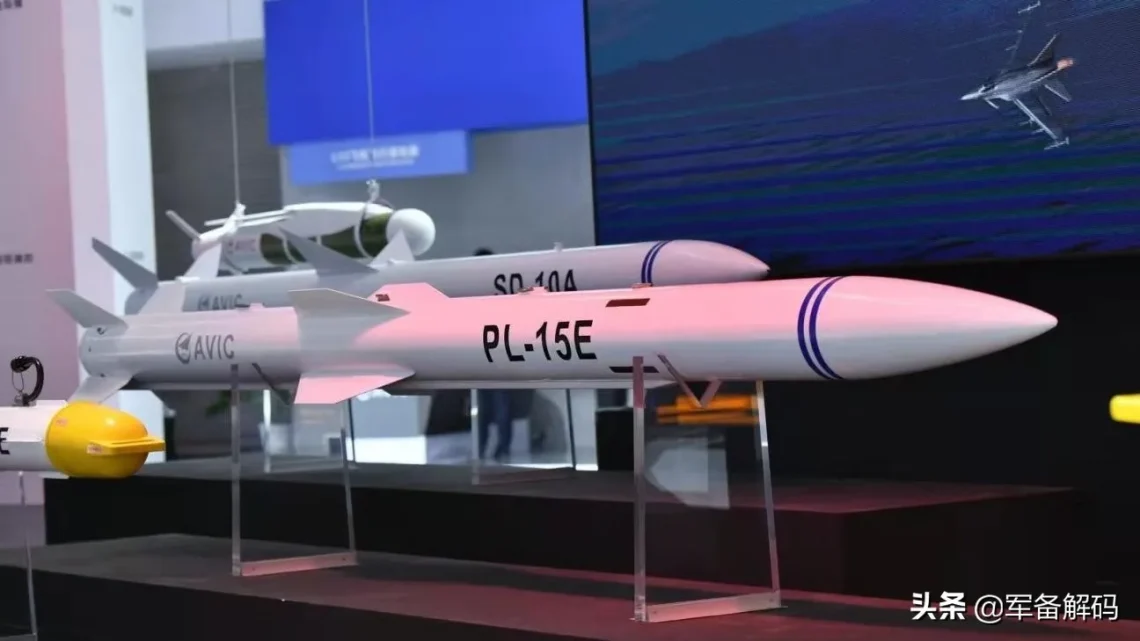
August 24, 2025Pakistan’s recent missile success, using Chinese-made PL-15 missiles against India, has led the United States to fast-track its own missile program. This development, where Pakistan hit Indian jets from over 100 miles away without risking retaliation, has shifted air power dynamics in
South Asia. The US military’s response underscores the growing importance of long-range missiles in modern warfare.
Pakistan’s Use of PL-15 Missiles
Pakistan’s successful strike using the PL-15 missile, which struck Indian fighter jets from over 100 miles, highlights the growing significance of long-range air-to-air missiles. This technology allows the attacking force to engage enemy aircraft from a safe distance, minimizing risks to its own planes. The success of this operation sets a new standard for air combat, demonstrating how technology can redefine the dynamics of modern warfare.
Rising Importance of Long-Range Air-to-Air Missiles
The success of Pakistan’s missile strike signals the importance of long-range air-to-air missiles in today’s military landscape. These missiles allow countries to engage adversaries from safe distances, changing the way air combat is conducted. With the ability to strike from miles away, air forces can now attack without the risk of counterattack, forcing military powers to adapt to this shift in strategy.
US Response: Fast-Tracking the AIM-260
In response to Pakistan’s missile success, the United States has sped up the development of the AIM-260 missile. The US Air Force and Navy have requested $1 billion for the 2026 fiscal year to begin production of this advanced missile. Designed to counter long-range threats like the PL- 15, the AIM-260 is essential to maintaining US aerial dominance and responding to Pakistan’s growing missile capabilities.
AIM-260: The US Military’s Countermeasure
The AIM-260, designed by Lockheed Martin, will be integrated into the US Air Force’s advanced fighter jets, including the F-22 and F-35, and older models like the F-16 and F-15. With its long range and advanced targeting, the AIM-260 is the US’s answer to the increasing missile threat from rivals like Pakistan and China. Its development highlights the urgency with which the US must respond to emerging threats and maintain its military edge.
The Strategic Importance of the AIM-260
The AIM-260 missile is vital for ensuring that the US can respond effectively to long-range air- to-air threats. It will allow US fighters to engage adversaries like Pakistan and China at a
distance, keeping American aircraft out of harm’s way. This missile is a crucial part of the US military’s strategy to retain its air superiority amid growing global missile capabilities.
China’s Influence on Pakistan’s Missile Program
China’s role in the development of the PL-15 missile is significant. As a key partner in
Pakistan’s military growth, China has provided advanced missile technology that has helped
Pakistan close the technological gap with India. This partnership is a growing concern for both
India and the US, as China’s involvement in missile development strengthens Pakistan’s defense
capabilities and creates new challenges for the region.
Changing Air Power Balance in South Asia
The use of the PL-15 missile by Pakistan has altered the air power balance in South Asia. India
has traditionally had superior air force capabilities, but Pakistan’s new missile success challenges this dominance. This shift forces India to reassess its own air defense strategies and accelerates the US’s missile development efforts, as both countries aim to respond to the growing missile capabilities in the region.
US, China, and the Missile Race in South Asia
The missile race between the US, China, Pakistan, and India is reshaping the security landscape. As Pakistan advances its missile capabilities with China’s help, the US has been pushed to accelerate its own missile program to maintain its edge. This growing competition for air superiority in South Asia has global implications, with the US and China vying for military dominance, while Pakistan seeks to enhance its defense capabilities.
India’s Reaction to Pakistan’s Missile Success
India is likely to respond to Pakistan’s missile success by strengthening its own missile defense systems. The Indian Air Force will focus on countering long-range threats, and India may also invest in advanced missile systems to keep pace with the growing missile capabilities of Pakistan and China. This response highlights the pressure India faces in maintaining its air power and regional security in the face of these new threats.
Global Impact of the Missile Race
The growing missile race in South Asia is not just a regional concern, but a global one. As Pakistan, China, and India continue to develop advanced missile systems, the US is forced to respond by advancing its own technology. The competition for air superiority in the region is shaping global security dynamics and could have far-reaching implications for military strategy worldwide.
Economic and Strategic Costs of the Missile Race
The race for advanced missile systems comes with high economic and strategic costs. The US’s
$1 billion investment in the AIM-260 reflects the financial burden of staying ahead in the missile race. As countries prioritize missile development, these investments are essential for maintaining security but also have significant long-term economic and strategic implications.
Strategic Alliances and Regional Security
The growing missile race has encouraged closer military alliances. China’s support for
Pakistan’s missile development has strengthened their strategic partnership, and the US may seek to deepen defense ties with its regional allies, including India, to counter the growing threat from Pakistan and China. These alliances are becoming more crucial as countries look to strengthen their military positions in the face of an increasingly competitive missile race.
Future of Air Superiority and Technology in Warfare
The future of air superiority will be shaped by the development of long-range missiles and the ability of countries to counter emerging threats. The success of the PL-15 missile in Pakistan and the US’s accelerated development of the AIM-260 highlight the critical role that missile technology plays in modern warfare. As air combat continues to evolve, countries will need to adapt their strategies and invest in advanced technologies to maintain dominance in the skies.
Conclusion
Pakistan’s successful use of the PL-15 missile against India has caused a ripple effect, forcing the US to accelerate its missile development program. The growing importance of long-range missiles in modern warfare has shifted the balance of air power in South Asia, prompting global powers to reassess their military strategies. The competition for air superiority will continue to shape the future of global security, with each country striving to develop advanced missile systems capable of maintaining dominance in the skies.