Pakistan-Bangladesh Relations: Knowledge Corridor Launched Amid Calls for 1971 Apology
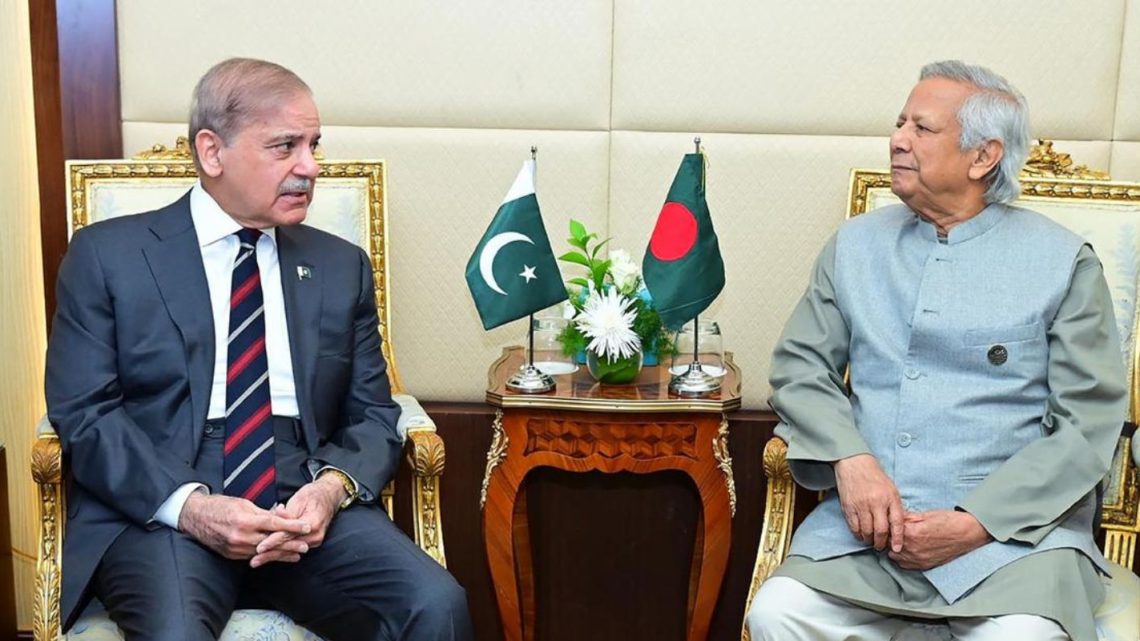
August 29, 2025The recent high-profile visit of Pakistan’s Deputy Prime Minister and Foreign Minister, Senator Ishaq Dar, to Dhaka has stirred new conversations around bilateral ties between Pakistan and Bangladesh. While the visit highlighted initiatives to boost educational and diplomatic cooperation — particularly through the launch of the Pakistan-Bangladesh Knowledge Corridor — it also brought the 1971 tragedy back into the spotlight, with Bangladesh reiterating its call for an official apology.
Bangladesh’s Call for Historical Reconciliation
During official talks, Bangladesh’s Ministry of Foreign Affairs emphasized the need for an early resolution of long-standing historical issues, specifically an official apology for the events of 1971. The scars of that conflict remain sensitive in Dhaka’s political and social discourse, and despite Pakistan’s expressions of regret in the past, the demand for an explicit apology continues to shape bilateral narratives.
Senator Ishaq Dar reiterated that Pakistan deeply regrets the events of 1971, highlighting that the matter had been addressed in two significant instances:
- The 1974 Tripartite Agreement, where Pakistan expressed regret over the tragedy as part of a broader reconciliation effort involving India and Bangladesh.
- The 2002 visit of President Pervez Musharraf, during which he paid respects at the Savar War Memorial and urged both nations to look forward in a spirit of forgiveness and cooperation.
However, Dhaka maintains that an unequivocal apology is a crucial step toward building a foundation of genuine reconciliation and lasting trust between the two countries.
Launch of the Pakistan-Bangladesh Knowledge Corridor
One of the most tangible outcomes of Dar’s visit was the launch of the Pakistan-Bangladesh Knowledge Corridor, a landmark educational and cultural initiative designed to enhance people-to-people connections between the two South Asian nations. The program reflects Islamabad’s intention to invest in the youth and human capital of Bangladesh, aiming to foster long-term goodwill.
Key highlights of the initiative include:
- 500 scholarships for Bangladeshi students to pursue higher education in Pakistan over the next five years.
- A focus on technical and professional fields, with 25% of scholarships allocated to medical education.
- Training programs for 100 Bangladeshi civil servants, aimed at sharing administrative expertise and best practices.
- Expansion of technical assistance scholarships, increasing from 5 to 25 annually.
This educational outreach represents Pakistan’s strategy to build bridges by empowering the next generation of leaders, scholars, and professionals in Bangladesh.
Bilateral Agreements to Deepen Cooperation
Beyond the Knowledge Corridor, the two nations signed six significant agreements and memorandums of understanding (MoUs) to advance cooperation in diverse sectors. These include:
- Visa-free travel for diplomatic and official passport holders, simplifying high-level engagements.
- Establishment of a Joint Working Group on Trade to boost bilateral commerce and investment.
- Foreign Service Academy collaboration for advanced diplomatic training and capacity building.
- Strengthening of media cooperation between Pakistan’s Associated Press of Pakistan (APP) and Bangladesh Sangbad Sangstha (BSS).
- Strategic linkages between policy research think tanks for collaborative studies and dialogue.
- A Cultural Exchange Programme, fostering artistic, literary, and cultural interactions between the two countries.
These agreements signal a clear intention from both sides to move forward with structured, multi-dimensional cooperation.
Strategic and Regional Implications
The renewed engagement comes at a time when South Asia’s geopolitical landscape is rapidly evolving. As regional powers recalibrate their foreign policy priorities, Pakistan and Bangladesh stand to gain by strengthening economic and educational linkages.
For Pakistan, the Knowledge Corridor is an opportunity to project soft power and rebuild trust. For Bangladesh, the program provides access to affordable, quality education and technical training, potentially benefiting its growing youth population.
This cooperative framework could also pave the way for enhanced trade relations, tapping into complementary markets and contributing to economic resilience on both sides.
Challenges on the Path to Reconciliation
Despite these positive steps, the 1971 issue remains a delicate and unresolved matter. Analysts point out that while Pakistan’s expressions of regret in 1974 and 2002 were meaningful, they have not fully addressed the emotional and political sensitivities in Dhaka. An official and unambiguous apology could accelerate reconciliation and allow both nations to focus more effectively on future-oriented collaboration.
Additionally, regional politics, historical mistrust, and domestic narratives in both countries may continue to pose hurdles in translating diplomatic goodwill into tangible, long-lasting progress.
The Road Ahead
The success of the Knowledge Corridor and other cooperative agreements will largely depend on consistent political will and people-centric engagement. By prioritizing educational exchange, cultural interaction, and economic partnership, Islamabad and Dhaka have the potential to transform their relationship into one built on mutual trust and shared aspirations.
Key steps to watch in the coming months include:
- Implementation of scholarship programs and facilitation for Bangladeshi students in Pakistan.
- Progress on bilateral trade frameworks, especially through the Joint Working Group.
- Continued dialogue on historical reconciliation, potentially leading to a breakthrough that addresses Bangladesh’s concerns over 1971.
Conclusion
Senator Ishaq Dar’s visit marks an important chapter in the evolving relationship between Pakistan and Bangladesh. The launch of the Knowledge Corridor and the signing of key agreements highlight a shared desire for deeper educational, economic, and diplomatic engagement. However, the unresolved wounds of 1971 remain a pivotal issue that both nations must address with sincerity and sensitivity to unlock the full potential of their partnership.
By combining forward-looking initiatives with genuine efforts toward historical reconciliation, Islamabad and Dhaka can lay the foundation for a new era of cooperation, grounded in trust, mutual respect, and shared progress.