Nine Days of Siege in IIOJK: A Village Under Relentless Military Pressure
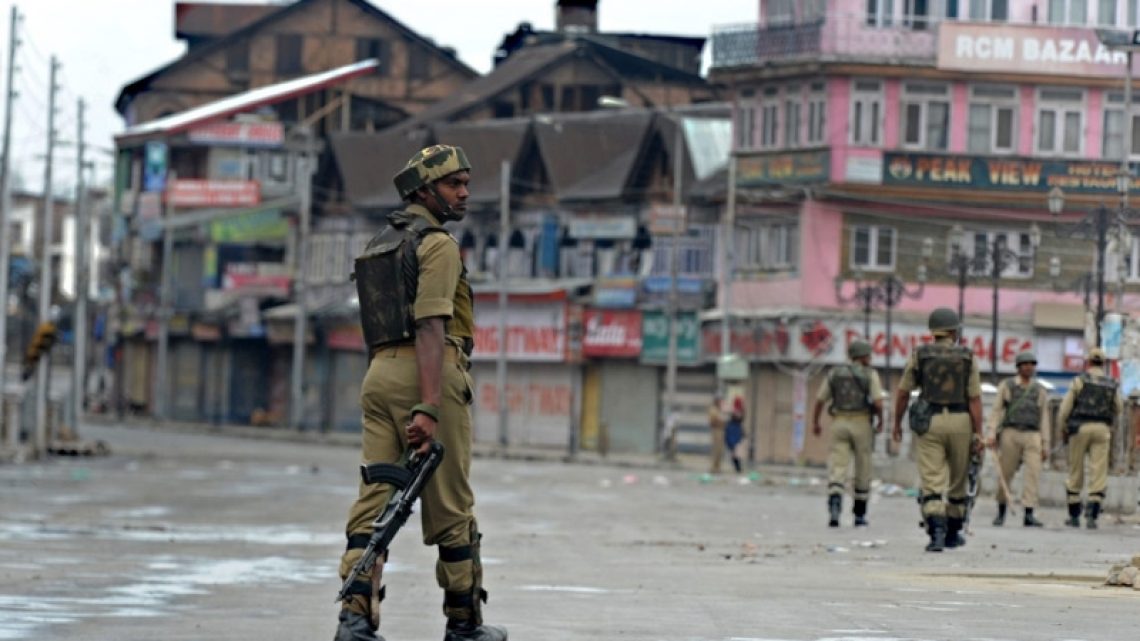
August 8, 2025For nine consecutive days, the people of Akhal in Kulgam district of Indian Illegally Occupied Jammu and Kashmir have been living under a siege that has destroyed daily life and created an atmosphere of constant fear. Indian forces have surrounded the village from all directions, blocked every road, and turned homes into places of confinement. The sound of gunfire and blasts fills the air day and night, leaving residents without rest or peace. Nights are marked by the roar of weapons and the shaking of walls, days bring hunger, thirst, and anxiety.
This is not a step for public safety; it is the deliberate use of force to punish and intimidate an entire community.
Daily Life Brought to a Standstill
Since the start of the cordon and search operation last Thursday, normal life in Akhal has come to a complete stop. Shops are closed, schools are empty, and mosques are silent. Families remain confined indoors, afraid to step out even for water. Children cry through the night in fear of loud firing, while elderly people sit helpless, unable to find comfort or relief.
Food stocks are almost finished, drinking water is scarce, and medicines are not available. Basic items like rice, milk, and bread have become impossible to get. For many families, the situation has crossed the line from hardship to a crisis.
Voices from the Besieged Community
“We have been facing severe difficulties for the past seven days. Firing and bomb blasts continue throughout the night. There is a shortage of rations in our homes. Women and children are terrified. Many have developed psychological problems due to the continuous operation. We haven’t slept for days. There is no medicine, no food. Even the nomadic Gujjar population in the area has run out of food grains,”
— Mubarak Khanday, resident of Akhal
This account reflects a deliberate use of prolonged military pressure to inflict both physical deprivation and psychological trauma on an entire civilian population, demonstrating the punitive nature of the operation.
“We are facing an acute shortage of water and essential medicines. We request the Public Health Engineering (PHE) department to supply drinking water to us. The ongoing firing is especially hard on the elderly and children,”
— Sheikh Mehboob, village official
The statement underlines the intentional denial of basic necessities during active hostilities, exposing how the siege targets the most vulnerable to amplify civilian suffering.
“We appeal for immediate help. We are poor and suffering. Many have already left the village, and several homes are now abandoned. Please relocate us from this area,”
— Sheeraza Akhtar, resident of Akhal
This plea reveals the scale of forced displacement caused by sustained military action, indicating that the operation functions as a tool to uproot communities and alter the social fabric of the area.
Excessive Force and Heavy Weapons
This is not a small-scale action. Indian forces have used drones to monitor every movement, helicopters to circle overhead, and heavy weapons to target the area. Armed personnel are in every street, watching every step. Civilians are treated as suspects, and normal life has been replaced by military control.
The message is clear: no one is safe — not women, not children, not the elderly. In Indian Illegally Occupied Jammu and Kashmir, the difference between civilian and target has been removed.
The Longest Siege of the Year
Local reports confirm that this is the longest cordon and search operation in IIOJK this year. Nine days of continuous lockdown have paralysed the village and left its people in despair. These operations are presented as security measures, but their effect is to choke communities, destroy livelihoods, and spread fear among ordinary citizens.
Such tactics have been repeated many times in IIOJK, and each time they leave behind deeper wounds. The people have lived under occupation for decades, yet they continue to endure and to resist.
A Policy of Collective Punishment
The siege of Akhal is not an isolated event. It is part of a wider policy in IIOJK where entire areas are punished for the actions of a few. Whenever Indian forces claim to act against militants, whole communities are locked down, food and water are cut off, medical help is blocked, and homes are searched or damaged.
This is not about law and order; it is about control through fear, deprivation, and humiliation.
A Humanitarian Crisis Ignored by the World
Akhal is now facing a severe humanitarian crisis. Families are close to starvation, children are weak from lack of food and water, and patients are suffering without medicine. The psychological impact is deep, with constant stress and fear taking a heavy toll on mental health.
Each day without relief brings the village closer to disaster. The cries of the people are known, yet the response from the world remains absent. The people of IIOJK are left to face this crisis alone.
Silence is Complicity
When force is used against unarmed civilians and the world stays silent, it becomes part of the wrongdoing. When essential supplies are denied to families and governments look away, they share the blame for the suffering. Silence is not neutrality; it is taking the side of the oppressor.
The siege of Akhal is a test of the conscience of the world, and so far, that conscience has failed.
The Strength of Unbroken People
Even under siege, the people of Indian Illegally Occupied Jammu and Kashmir continue to speak out. They demand safety, dignity, and the right to live without fear. They refuse to let occupation erase their identity or break their will.
Akhal today stands as a symbol of both pain and courage. The siege may continue for days or weeks, but it will not erase the memory of what has been done to its people. When it ends, the story of Akhal will remain as a reminder of the price paid by civilians under occupation and of the urgent need for justice and peace in IIOJK.

