New York Times Report: India’s Book Ban in IIOJK Aims to Silence Voices and Rewrite Truth
August 10, 2025Indian Illegally Occupied Jammu and Kashmir has been pushed deeper into an era of controlled thought and suppressed voices. In a move described by observers as an attack on intellectual freedom, the Indian authorities have banned 25 books, branding them as secessionist literature. This step, reported by The New York Times, has drawn sharp criticism from academics, writers, journalists, and rights defenders who see it as part of a deliberate effort to erase history, suppress dissent, and impose a single state-approved narrative.
Erasing Memory through the Written Word
The banned list includes works by respected Kashmiri writers, established academics, experienced journalists, and noted international authors. These books record the history, politics, and lived experiences of the people of IIOJK. They speak of the decades-long search of Kashmiri women for their disappeared loved ones, of how political events shaped one of South Asia’s most prolonged conflicts, and of the systematic shrinking of democratic space in the occupied territory.
By striking these titles from public access, the authorities are not only silencing the authors but are also seeking to erase the memory of a people. This is an attempt to cut off future generations from their own history and from voices that challenge the official version.
Turning Reading into a Criminal Act
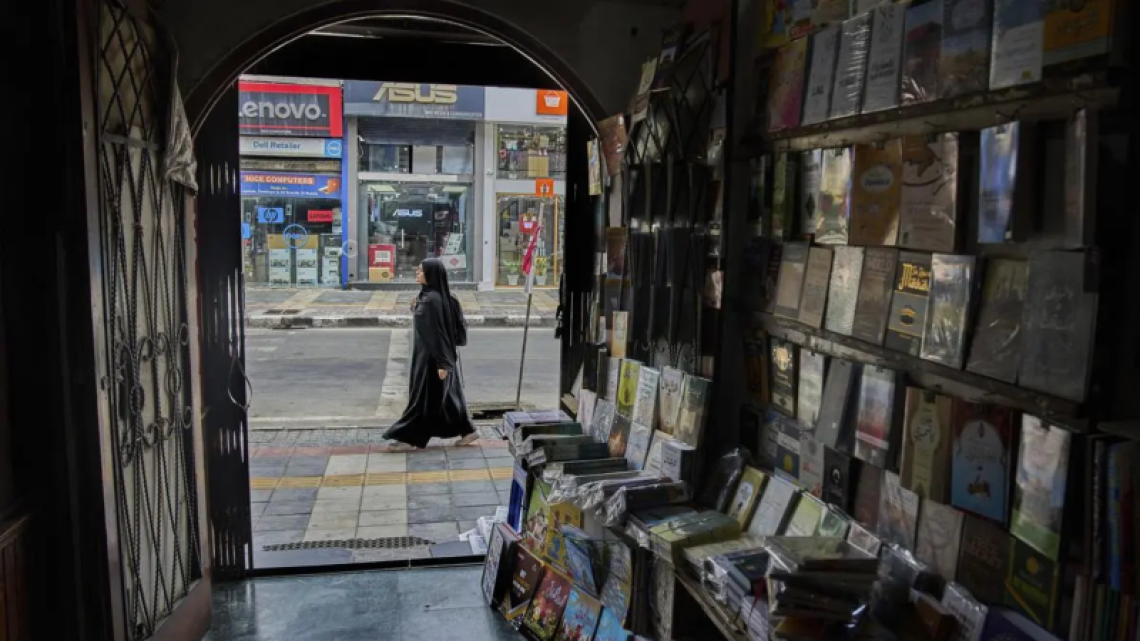
The ban carries legal consequences that are severe and unprecedented. Circulating, possessing, or accessing these books in IIOJK is now a criminal offence, punishable with years of imprisonment. Police have already begun removing titles from bookshops and warning owners of prosecution.
The choice of timing is equally telling. The announcement came on August 5, the anniversary of the abrogation of IIOJK’s special status in 2019. Analysts and authors see this as no coincidence, calling it a symbolic act meant to reinforce the larger campaign to control the region’s political and cultural narrative since the constitutional change.
A Wider Campaign to Control Public Discourse
This measure is part of a broader pattern. Since 2019, poets have withheld their verses, journalists have faced detention, newspapers have been shut down, and public archives have been deleted. Even classroom discussions are increasingly monitored.
Earlier this year, police raided bookshops in Srinagar and other districts, seizing hundreds of titles. The crackdown intensified after an April incident in the territory, when security forces detained thousands and demolished the homes of those accused of militant links. Such actions have been widely documented by rights organisations as a form of collective punishment.
Authors Speak Out against Suppression
Prominent Kashmiri academic Ather Zia, whose two books are on the banned list, said the decision directly challenges truth. She noted that these works question the claims India makes before the world about its democratic character.
Veteran political scientist Noor Ahmad Baba pointed out that even during the most intense years of militancy, books were not banned in such a sweeping way. Since the revocation of special status, he said, the curbs on freedoms have grown to unprecedented levels.
Bookshop owner Firdous Ahmad said police inspected his store and removed books they declared objectionable, even though the listed titles were not in stock, underlining the arbitrary nature of the operation.
Deliberate Attempt to Rewrite History
Anuradha Bhasin, editor of Kashmir Times and author of A Dismantled State: The Untold Story of Kashmir after Article 370, described the move as part of a consistent policy to erase alternative narratives. She said it reflects a style of governance in IIOJK that prefers silencing critics to engaging with them.
Former professor of international law, Sheikh Showkat Hussain, dismissed the official justification of protecting state security, saying it is a political cover for restricting freedom of expression. Political scientist Sumantra Bose, whose book on Kashmir is also banned, noted that none of the targeted authors repeat the government’s stance, which he called the one factor linking all the banned works.
Global Voices Not Spared
The banned list also includes internationally recognised figures such as Booker Prize-winning novelist Arundhati Roy, long known for her criticism of human rights violations in IIOJK. Her inclusion confirms that the crackdown is not confined to local voices but extends to any writer, anywhere, who refuses to conform to the official narrative.
The Danger to IIOJK’s Future
Banning books is not only about controlling the present; it is about shaping the future. In IIOJK, where political rights are denied, freedom of movement is curtailed, and peaceful protest is treated as a crime, intellectual freedom remains one of the last spaces for resistance. This ban is designed to close that space.
By removing these works from public access, the authorities aim to ensure that future generations will know only the state’s version of events — stripped of dissent, stripped of memory, and stripped of truth.
A Call for Collective Resistance
Such a serious attack on intellectual freedom demands an immediate and organised response. Writers, academics, journalists, and civil society must raise their voices in every available forum. International publishers should ensure that the banned titles remain available globally, and human rights bodies must document and challenge the political motives behind the ban.
History has proved that truth cannot be buried by legal orders. These books will continue to live in digital form, in private collections, and in the minds of those determined to preserve them.
Conclusion: Truth Will Outlast Censorship
The banning of these 25 books sends one clear message: the Indian state fears the power of words. It fears a history told by those who lived it, and it fears a narrative built on fact rather than propaganda.
But fear is no substitute for governance. Censorship cannot bring peace, and repression cannot win legitimacy. The people of IIOJK have endured military occupation, political betrayal, and repeated assaults on their dignity, yet their identity remains unbroken. This latest act is another attempt to crush that identity, but like all others before it, it will fail.
In the end, words have a way of breaking through walls. Books may be banned and shelves emptied, but the truth will endure, carried forward by those who refuse to forget and those who refuse to be silenced.