Nepal Protests Reveal India’s Dangerous Use Of Media To Manipulate Public And Neighbours
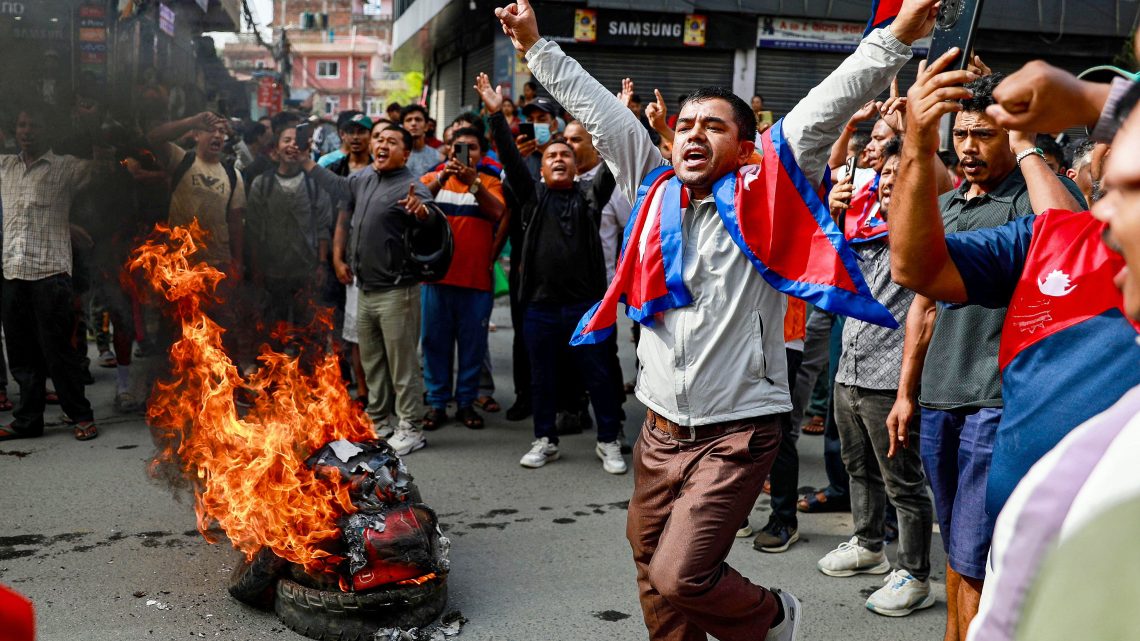
September 15, 2025The recent coverage of protests in Nepal has shown how parts of the Indian media have been used to push one sided views. Instead of fair reporting many outlets backed the official line. This piece shows how that manipulation works how it helps the Modi government and why it harms neighbours and people on the ground. The aim is to show the damage done when news serves power instead of truth and to set out simple steps to stop the harm.
State Influence And Media Capture
Many big media groups now work close to the state. Owners and bosses want good ties with those in power to gain access and business. When that happens newsrooms change what they report to stay in favour. The result is news that follows the state story and hides reports that do not fit the official view. This tilts public debate and cuts out views that raise real questions about power.
• Ownership And Access Shape Coverage: Media owners look for favour from the state and this changes what gets reported.
• Editors Follow The Line: Editors cut or change stories that could upset officials or harm deals.
• Reporters Lose Independence: Journalists face pressure to give weight to official sources over independent voices.
• Public Gets A Narrow View: Audiences are shown one side of events instead of the full picture.
Selective Reporting And The Use Of False Claims
Selective editing and leaving out facts are common tools to shape a story. Video and reports are chosen to fit a set story. Facts that hurt the official line are ignored. At times wrong claims are repeated as if they were true. Social media accounts linked to political groups then push these reports to a wider public. This chain creates a false view and makes it hard for people to know what really happened.
• Footage Is Picked To Fit A Story: Video and reports are chosen to back the official line.
• Bad Facts Are Ignored: Evidence that does not fit the script is left out of reports.
• Wrong Claims Are Repeated: Unchecked or misleading lines get wide play as if true.
• Social Media Widens The Reach: Coordinated accounts boost biased reports fast and far.
Political Purpose Behind The Campaign
The push for one sided coverage is not by accident. It serves clear political aims. The ruling party seeks to protect its image at home and to shape views in the region. By controlling the story the state can weaken critics and push a friendlier story abroad. In the Nepal case the coverage backed a version that helped India’s political aims while hiding signs of heavy handed action by security forces.
• Protecting The Ruling Party Image: Biased coverage shields leaders from criticism and keeps voters on board.
• Weakening Critics At Home: Media pressure keeps opposing voices small and on the back foot.
• Shaping Regional Views: One sided reports are used to influence opinion in nearby states.
• Masking Security Abuses: Where force is used reports often play down or deny harm to civilians.
Diplomatic Cost And Regional Harm
When a country uses its media to push a narrow story about another state’s affairs the result is loss of trust. Nepalese people and leaders see this as interference. The coverage feeds anger and distrust and makes talks harder. If New Delhi wants to be a respected neighbour it must stop using media pressure as a tool. The short term gain of shaping headlines comes at the long term cost of weaker ties and a heavier backlash.
• Trust Between Neighbours Falls: One sided media makes other countries doubt India’s motives.
• Public Anger Grows Abroad: People in other states read the coverage as meddling.
• Work Between States Gets Harder: Trade and security talks suffer when the media is used as a tool.
• India’s Image Is Hurt: Being seen as a manipulator hurts India’s standing in the area.
The Role Of Social Media And Organized Online Campaigns
Online platforms now drive how stories spread. Political groups and paid accounts push messages to drown out other voices. These campaigns use tags fake accounts and coordinated posts to make a view look popular. This gives the false idea that most people agree. Media then points to this online noise as proof of support which hides the real public mood.
• Tag Campaigns Create False Support: Coordinated posts make a view look widely held.
• Fake And Paid Accounts Boost The Line: Fake or paid handles push messages to reach many fast.
• Media Treats Online Noise As Proof: Outlets point to trends as proof of public backing.
• Real Voices Are Lost: Honest critical views are pushed aside by the noise.
Human Cost And The Loss Of Trust
The first victims of this manipulation are the people who live through the events. When abuses are hidden victims lose the chance for help and justice. Second trust in news falls. When citizens cannot trust their media they look elsewhere or believe the loudest versions online. This loss of trust hurts democracy and lets those in power act without real checks.
• Victims Lose Justice: Hiding abuse stops people getting help and redress.
• People Stop Trusting News: When coverage favours power audiences look for other sources or trust rumours.
• Democracy Is Damaged: A media that serves power instead of people weakens public debate.
• Public Institutions Suffer: Courts schools and services lose credit when truth is hidden.
What Must Change: Simple Steps For Fixing Media
To stop manipulation the media must follow simple rules. Newsrooms must promise to check facts correct mistakes fast and give space to different voices. Independent bodies should review biased cases. Leaders must stop pushing media owners and accept criticism as part of public life. Civil groups and honest journalists must push for real change and demand that newsrooms act as a check on power not a tool of it.
• Public Rules For Verification: News outlets must tell the public how they check facts.
• Fast Corrections And Apologies: Mistakes must be fixed openly and quickly.
• Independent Review Of Coverage: Outside panels should look at cases of clear bias.
• Shield Media From Political Pressure: Leaders must stop using power to control news.
Conclusion
The pattern of manipulation serves narrow political aims but destroys trust and harms people. The Modi government’s role in shaping this line must be named and resisted. A free and honest press is vital for fair politics and for good ties with neighbours. Media must stop serving power and start serving the public. The public civil groups and honest journalists must press for these changes and demand clear actions from newsrooms and leaders. Regional partners and international bodies should also call for open media and fair reporting. Only real change will help rebuild trust keep peace and protect citizens rights.