Muslims Protest Across India Against Registration of Case for Writing “I Love Muhammad” (SAW)
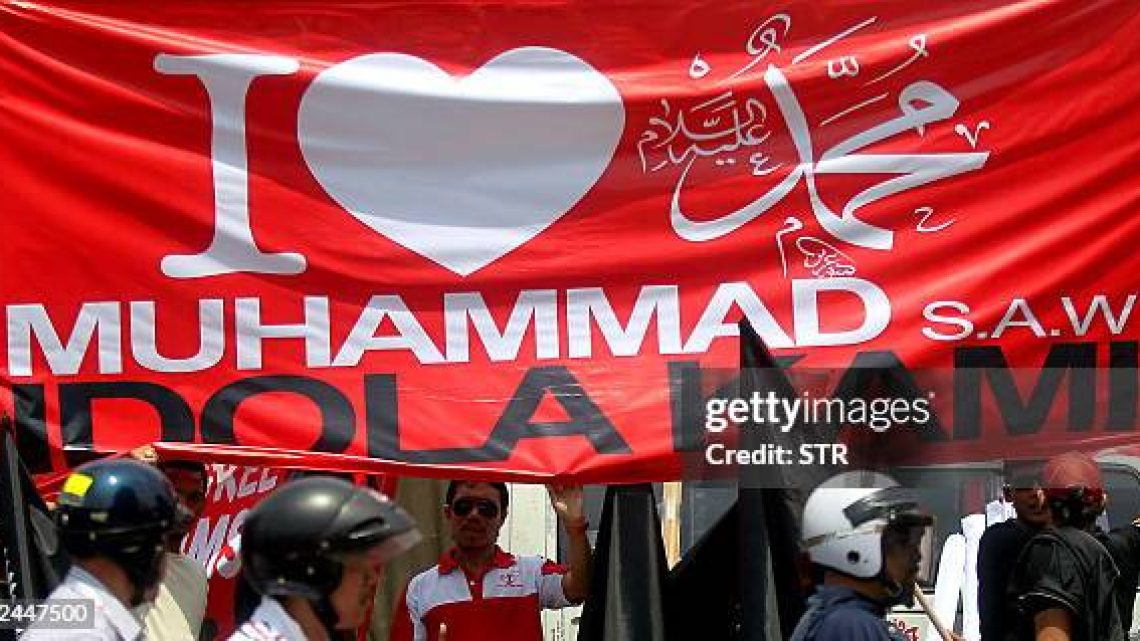
September 21, 2025The filing of a police case in Kanpur against people who displayed banners saying “I Love Muhammad” during Milad-un-Nabi has turned a peaceful act of religious belief into a national crisis. What should have been a simple show of love for the Prophet was treated by the state as a law and order problem, and that choice has caused anger and protests across India. This case shows more than bad policing. It points to a growing bias, the loss of equal rights, extreme hate and a worrying readiness by the state to punish ordinary acts of faith.
Kanpur Incident: Facts And State Action
Police in Kanpur quickly registered a case after a complaint about banners placed during a Barawafat procession. The complaint led to an FIR that named some people and listed others as unidentified. Officials said the banners could disturb the peace and called the act a new and possibly provocative practice. Turning a normal religious act into a criminal case so fast shows a state ready to treat Muslim worship as suspect rather than protecting the right to pray.
• Nature Of Case: People were booked for putting up boards that read “I Love Muhammad” during a religious procession.
• Reason Given: The police said the banners could upset public order even though there was no sign of violence.
• Immediate Effect: A devotional act became a legal charge within hours, causing fear and outrage.
Nationwide Reaction: Protests And Unity
The case did not stay local. After Friday prayers people in Kanpur, Agra, Hyderabad, Ahmedabad, Mumbai and other towns took to the streets carrying the same words and demanding the case be dropped. On social media the phrase spread fast as thousands posted it to show support and to press for justice. The protests were mostly peaceful but firm, and they made clear that millions see the case as an attack on their faith.
• Cities That Protested: Demonstrations were held in Kanpur, Agra, Hyderabad, Ahmedabad, Mumbai and many other places.
• Online Wave: Thousands posted the phrase online, making it a national sign of protest.
• Public Mood: Protesters were calm but determined, telling authorities they will not accept worship being treated as a crime.
Law And Equality: Constitutional Promises Under Strain
India’s constitution guarantees the right to practice and show one’s religion in public, though it allows limits for public order. That balance needs fair rules. When a peaceful act by one community is treated as a crime while similar acts by others go without action, the idea of equal protection falls apart. The law must protect faith, not be used to punish it.
• Right To Religion: The constitution protects the freedom to worship and to show belief in public, with narrow limits for safety.
• Unfair Policing: The pattern of filing cases against Muslim acts while not acting against others shows clear double standards.
• Rule Of Law Damaged: Using police cases to silence faith weakens trust in the justice system.
Politics And Bias: How The State Favours One Side
This incident fits a wider trend where state bodies bend under pressure from groups that back the ruling party. Complaints by hardline groups are often acted on quickly, while similar acts by other communities go unchallenged. When the police and local officials start to act for one set of beliefs, they lose fairness and become tools of politics. The result is more fear and less trust between neighbors.
• Political Backdrop: Complaints from majoritarian groups too often lead to fast action by the authorities.
• Loss Of Fairness: Institutions that should be neutral begin to act in ways that favour one group.
• Wider Harm: This course pushes communities further apart and raises the risk of more conflict.
Human Cost: Fear, Humiliation And Loss Of Dignity
The real victims are ordinary people who only wanted to mark a sacred day. An FIR can mean the risk of arrest, long court fights, heavy costs and public shame. Being named in a police record for a simple line of love strips away dignity and can harm work and family life for years. No free society should force this price on its citizens for a peaceful act of worship.
• Personal Harm: Legal cases mean long court hearings, money spent on lawyers and records that follow people for life.
• Community Anxiety: Such moves make whole groups feel watched and unsafe in their own country.
• Social Damage: Each case like this adds to fear and tears at the ties that hold a mixed society together.
Media And Social Networks: Role In The Crisis
Social media helped make the story public and gave people a way to show anger and solidarity. At the same time some posts and reports spread half truths and stirred up hate. Some news outlets also reported in ways that made the hurt worse. The press must tell the facts and give the full picture, not fan anger, because how a story is told can calm or stoke real harm.
• Online Power: Platforms made the issue visible and kept pressure on officials but also helped spread false reports.
• Need For Fair Reporting: Honest, balanced news coverage is vital to stop the rise of anger and violence.
• Public Memory: The way this is reported now will shape trust for a long time.
What Must Happen: Fixes And International Action
The FIR in Kanpur should be reviewed and dropped if it has no legal basis. Police must act fairly and give equal protection to all. But the answer cannot be only local. The world should not ignore this clear hurt to millions of people. The international community should hold India to account and take steps to make sure such acts are not repeated. Religious groups, human rights bodies and foreign governments should speak out, call for an independent review, press for the withdrawal of unfair charges, and use diplomatic steps to push for change. If the state will not fix this, there must be real consequences.
• Immediate Steps: Review the case quickly and withdraw charges that lack real grounds.
• Fair Policing: Train and watch police so that rules are applied the same way to all groups.
• Global Pressure: World bodies and friendly nations should warn that hurting the faith of millions will carry costs.
Conclusion: A Test For Democracy And Human Decency
Turning a simple statement of love for a prophet into a crime is not policing. It is punishment of belief. India’s action in this case shows a worrying move away from equal treatment toward a politics that singles out one group for harm. The state must change course and fix the damage. If it does not, the world should step in to protect the rights and dignity of the millions hurt by this choice. A free nation is judged by how it treats the weak when they speak in love, and today India is failing that test.