Muslim Aid Workers Targeted in India’s UP State for Serving Food to the Needy
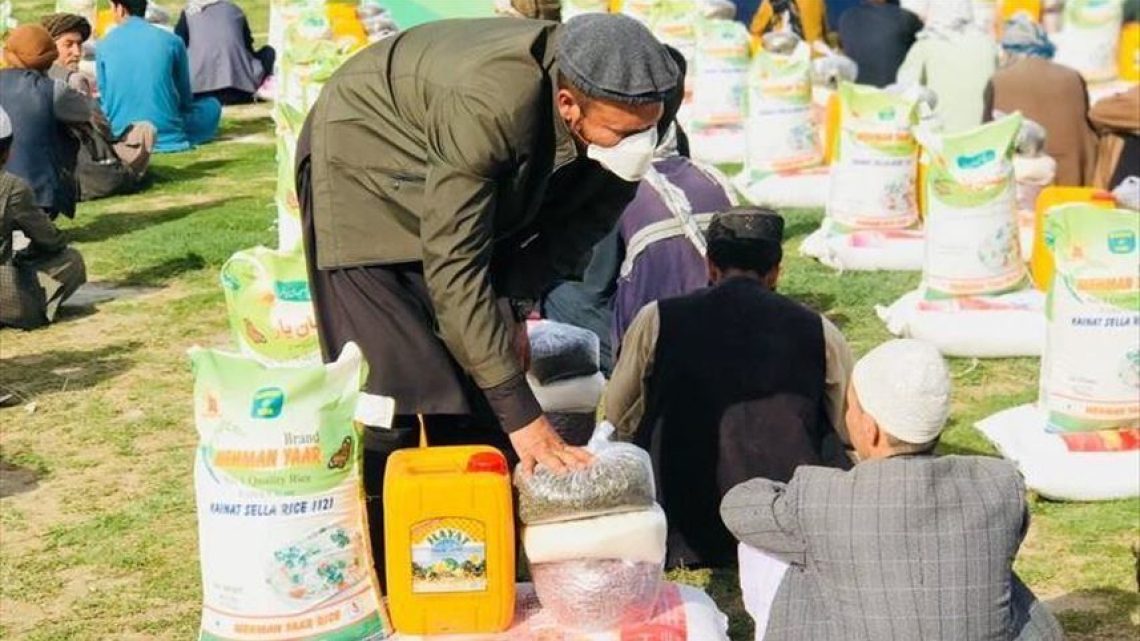
August 20, 2025In a troubling incident of rising religious intolerance in India, Muslim aid workers in Uttar Pradesh have been targeted for distributing food to flood victims. Mohammad Shami, the elected head of Raipur Chinhat Pur village, and his family have been accused by Hindutva supporters of serving non-vegetarian biryani during the Hindu festival of Janmashtami. This accusation, labeled as “biryani jihad,” is part of the growing trend of communalization of humanitarian work in India, aiming to demonize Muslims for simply helping those in need.
Political Motives Behind the Allegations
The allegations were made by a local resident, Sunil, who claimed that the aid workers were attempting to “mislead” people during a Hindu festival. Shami Mohammad strongly denied these accusations, clarifying that the food distributed was vegetarian and intended solely to help flood-affected villagers. Eyewitnesses and locals confirmed Shami’s account, highlighting that the food was provided to all affected villagers, regardless of religion.
The Dangerous Rise of ‘Biryani Jihad’ Rhetoric
The term “biryani jihad” is part of a disturbing trend in India, where Hindutva supporters create baseless accusations to divide communities. Similar to terms like ‘love jihad’ and ‘spit jihad,’ “biryani jihad” is used to accuse Muslims of trying to subvert Hindu beliefs. This dangerous narrative not only distorts humanitarian actions but also spreads fear and distrust, fueling religious hatred and division.
Humanitarian Aid: Now a Political Battlefield
What should have been a simple act of charity has become a tool for political manipulation. Muslim aid workers in India are increasingly under attack for their efforts to help those in need. This politicization of aid work is part of a larger effort to demonize the Muslim community, portraying their every action as part of a wider conspiracy. By turning humanitarian aid into a political weapon, India risks undermining its own social fabric.
Community Support and Rejection of False Claims
Despite the false accusations, local residents and social workers have rallied behind Shami Mohammad. They have confirmed that the food provided was vegetarian and aimed at helping those in need. Social worker Amina Khan praised Shami’s dedication to his community, calling the accusations unjust and politically motivated. Her statement underscores the importance of protecting humanitarian efforts from such politically-driven attacks.
Rising Communal Divisions in India
This incident reflects a broader rise in communal divisions under Prime Minister Modi’s leadership. Hindutva ideologies, which promote religious intolerance, are increasingly influencing India’s social and political dynamics. The attack on Shami Mohammad for distributing food demonstrates how deeply communalism has infiltrated the country, turning even the simplest humanitarian acts into politically charged events.
Religious Polarization: A Threat to Secularism
India’s secular identity is being increasingly threatened as religious polarization takes root in its political landscape. The targeting of Muslims for charity work is just one example of how communal politics is eroding the country’s democratic values. As religious intolerance grows, India’s pluralistic society is under attack, and the very idea of secularism that once defined the nation is at risk of collapse.
The Political Agenda Behind Attacks on Aid Work
The accusation against Shami Mohammad is not just about food distribution; it is part of a larger strategy to target Muslim leaders and activists who are seen as a threat to the political agenda of the ruling government. Shami’s relief efforts, which were focused on helping those in need, have been twisted into an attack on Hindu religious beliefs. This reflects the broader trend of using communal rhetoric to discredit political opponents and suppress resistance.
Media’s Role in Promoting Religious Intolerance
The media, particularly social media, has played a significant role in spreading communal rhetoric and fueling intolerance. The narrative of “biryani jihad” has gained traction, with misinformation spreading rapidly across platforms. The media’s failure to challenge such divisive narratives contributes to the growing religious divide in India, making it harder for people to trust each other and coexist peacefully.
The Impact of Religious Polarization on Social Harmony
The increasing religious polarization in India is not only harmful to Muslims but also to the country’s social harmony as a whole. When communities are divided along religious lines, the fabric of Indian society weakens. The incident in Uttar Pradesh is just one example of how communal politics is slowly destroying the unity that India once prided itself on. If left unchecked, this growing divide will only lead to more violence and unrest.
The Need for International Scrutiny of Religious Persecution
The international community must take stronger action against the rising religious intolerance in India. Human rights organizations and foreign governments should not remain silent as religious minorities face increasing persecution. India’s human rights record, especially with respect to Muslims, must be scrutinized to ensure that the government is held accountable for its actions. The world must send a clear message that such intolerance will not be tolerated.
The Role of Civil Society in Countering Communalism
Indian civil society has a critical role to play in countering the rise of religious intolerance. Activists, intellectuals, and community leaders must unite to protect the rights of minorities and uphold the values of secularism and democracy. Civil society must stand firm against the divisive politics of the ruling party and work to restore the inclusive nature of Indian society.
The Threat to Secularism and Democracy
The targeting of Muslim aid workers in Uttar Pradesh is part of a broader attack on India’s secular and democratic values. The government’s willingness to exploit religious tensions for political gain poses a serious threat to the future of Indian democracy. If the country continues on this path of religious division, it risks becoming a place where the rights of minorities are disregarded and democracy itself is undermined.
Conclusion: India’s Secular Future at Risk
The incident in Uttar Pradesh, where Muslim aid workers were falsely accused of religious provocation, is a wake-up call for India. It illustrates how far the country has drifted from its secular ideals and how deeply communal politics has infiltrated every aspect of society. For India to remain a democracy that respects the rights of all its citizens, it must return to the values of pluralism and equality. Only by rejecting religious intolerance and protecting the rights of minorities can India preserve its secular identity and ensure a future where all communities can live in peace.