Mehbooba Mufti Slams Modi’s Move as Another Attack on Kashmir’s Democratic Rights
August 12, 2025A Further Blow to Kashmir’s Democratic Rights
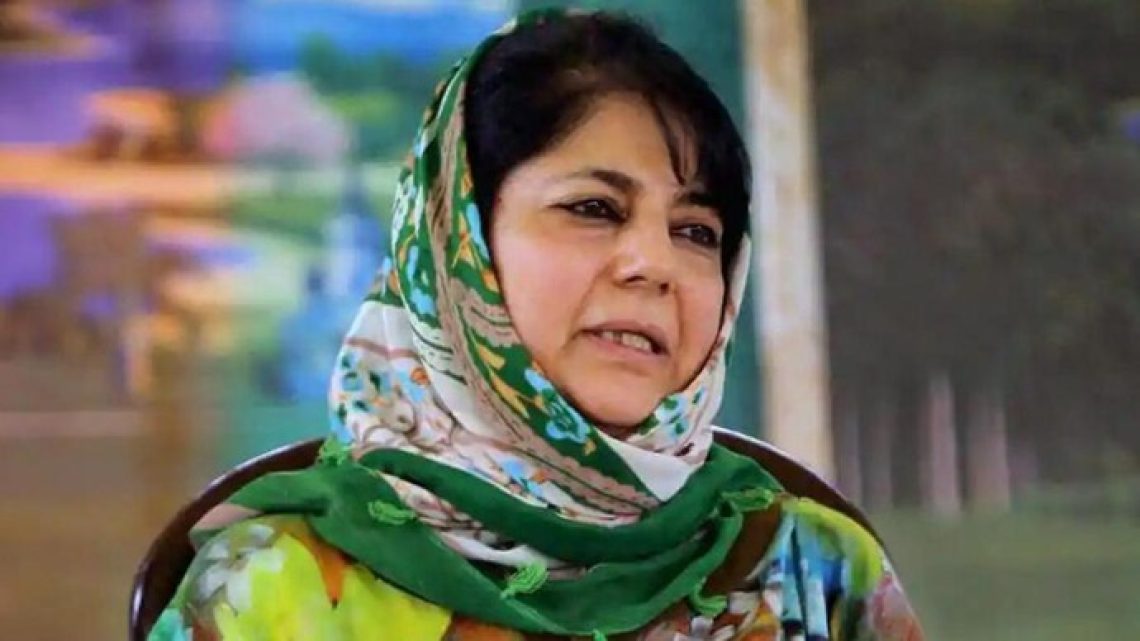
In Indian-occupied Jammu and Kashmir, the recent decision by the Modi government to nominate five members to the legislative assembly has sparked widespread criticism. Mehbooba Mufti, President of the Peoples Democratic Party (PDP), has condemned this move, calling it another attack on democracy in the region. This decision, which undermines the right of the people to choose their own representatives, is seen as part of the Modi government’s ongoing efforts to tighten its grip on Kashmir.
Undemocratic Nomination Process: Setting a Dangerous Precedent
Mufti has strongly criticized the Modi government’s move, calling it a direct violation of democratic principles. She pointed out that in no other state in India can the central government simply select members for the legislative assembly, bypassing the will of the people. In Kashmir, however, the government continues to impose its will through undemocratic actions, undermining the very foundation of democracy in the region.
The Fallout from Article 370’s Abrogation
This latest move to appoint unelected members to the assembly cannot be understood without considering the broader context. The abrogation of Article 370 in August 2019, which revoked Jammu and Kashmir’s special status, has been a key moment in India’s push to assert control over the region. Since then, the Indian government has systematically stripped Kashmir of its political autonomy, further eroding the rights of the people.
Discriminatory Delimitation: Shaping Kashmir’s Political Future
Mufti’s criticism highlights the ongoing pattern of marginalization of the Kashmiri population. The biased delimitation process, which redrew the electoral map, and the discriminatory allocation of assembly seats, have tilted the political balance in favor of non-local populations. These changes have pushed the voices of the Kashmiri people further to the margins, allowing the Indian government to strengthen its control over the region.
Centralized Control: Modi’s Growing Authoritarianism
The appointment of members to the Jammu and Kashmir Legislative Assembly, bypassing the electoral process, shows the increasing authoritarian nature of the Modi government. This move further underscores India’s unwillingness to engage in a genuine political process in Kashmir. Instead, the government is choosing to tighten its grip on the region through force and coercion, denying the people their right to participate in the political process.
Impact on Political Participation: A Denial of Local Governance
By nominating members instead of allowing the people to choose their representatives, the Indian government has effectively invalidated the democratic process in Kashmir. The right to vote and elect one’s representatives is a cornerstone of any democracy, but this latest move severely undermines that principle. Political participation is being stifled, and local governance is being replaced with direct control from the central government.
The Growing Role of the Lieutenant Governor: Concentrating Power
The fact that the Lieutenant Governor of Jammu and Kashmir has been granted the power to appoint these members without consulting any elected government highlights the centralization of power in New Delhi. This provision, which has been challenged in the High Court, raises serious concerns about the erosion of local autonomy in the region. The increasing power of the Lieutenant Governor reflects the growing control of the central government over Kashmir’s political processes.
Legal Challenges to the Nominations: Seeking Accountability
The legal challenge presented by Congress leader Ravinder Kumar Sharma in the High Court of Jammu and Kashmir is an important step in holding the government accountable for its actions. Sharma has questioned the legality of granting the Lieutenant Governor the authority to appoint assembly members without the approval of an elected government. This legal challenge, with the hearing set for August 14, could have significant implications for the political future of Jammu and Kashmir.
International Concerns: The Global Impact of India’s Actions
India’s actions in Jammu and Kashmir are not just an internal matter but have broader implications for the region and the world. The continued erosion of democratic principles and the suppression of political rights in Kashmir are drawing increasing attention from international human rights organizations and foreign governments. The appointment of unelected members to the Jammu and Kashmir Legislative Assembly adds to the growing concerns about India’s disregard for the rights of the Kashmiri people and its failure to engage in a meaningful political dialogue.
The Road Ahead: Restoring Democracy in Kashmir
Mufti’s criticism of the Modi government’s decision highlights the deepening political crisis in Jammu and Kashmir. The region’s people are being denied their right to self-determination and political autonomy, and India’s heavy-handed approach is only deepening the sense of alienation. If India is to restore any credibility in its governance of Jammu and Kashmir, it must abandon its authoritarian tactics and start engaging with the people in a meaningful, democratic manner.
The Need for a Political Solution Based on Self-Determination
The Modi government’s decision to nominate assembly members in Jammu and Kashmir, bypassing the electoral process, further undermines the region’s democratic rights. This move, part of a wider pattern of centralization and authoritarianism, illustrates India’s reluctance to address the legitimate political demands of the Kashmiri people. The people of Kashmir seek their right to self-determination and wish to make decisions about their future according to their own desires and aspirations. They aspire to express themselves freely and chart a course for their future based on their own will.
The international community, in line with the United Nations resolutions, must play a practical role in supporting the Kashmiri people’s right to self-determination. This includes actively advocating for the fulfillment of their political and human rights, ensuring that Kashmiris have the opportunity to determine their future free from external interference. Until India adopts a more inclusive and democratic approach to Kashmir, the region will remain mired in unrest, with its people’s voices increasingly silenced. It is crucial for global powers to take practical steps to address this issue and push for a solution that reflects the will and aspirations of the Kashmiri people.