Mass Demolition In Assam 667 Bengali Speaking Muslim Homes Wiped Out
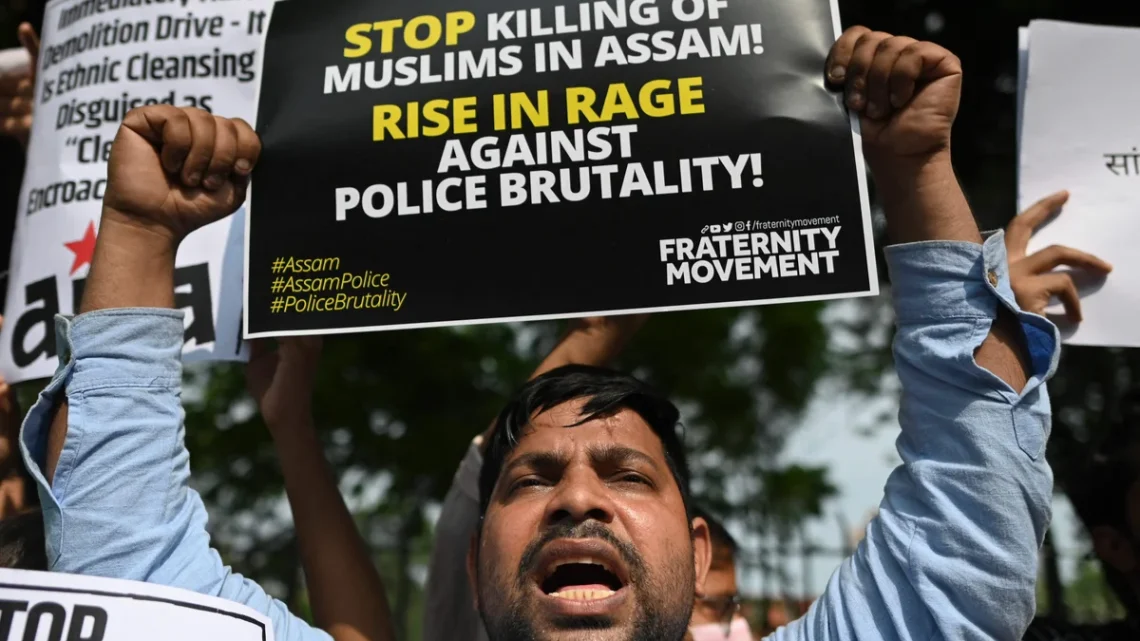
September 12, 2025Assam is in the news for a hard and painful reason. Hundreds of homes of Bengali speaking Muslim families have been brought down after very short notice, even though many people say they had proper papers and long ties to the land. Scenes from Hasila Bhal Karbala Jannatpour and Bilasipara show families sleeping in the open while the state calls the drive a clean up of illegal land use. This is not order built on law, it is force used against a minority, and it raises clear questions about basic rights and equal treatment.
• Core Picture: Entire clusters were cleared while people showed land papers and identity cards that officials chose to ignore.
• Human Toll: At least three deaths were reported and many more were hurt as crowds fled the sites in fear and confusion.
On The Ground In Assam
An eight member team from Socialist Party India visited the area to meet families and record facts. In Hasila Bhal six hundred and sixty seven families lost homes on two days notice. In Karbala about three hundred families now live in tents on land offered by a local Muslim farmer who is himself under pressure. In Jannatpour one hundred and sixty one families were forced off plots they had used for years. In Bilasipara in Dhubri almost two thousand families were displaced which left near ten thousand people without proper cover.
• Scale And Sites: Hundreds of structures were razed while about two hundred police were posted and entry for visitors was blocked.
• Residents Speak: More than one hundred people came out to tell the team that they had valid papers yet their houses still fell.
• Deaths And Injury: The reports from Hasila Bhal confirm at least three deaths and more injuries during the chaos.
Papers And Process
The Constitution promises a fair hearing. If the state doubts a title it must give real notice, time for reply, and an open hearing before any wall is touched. Notices that give only two days leave poor families with no path to court. When machines move first and hearings come later, the act becomes punishment without due process and not the work of a lawful state.
• Short Notices: Two days to reply is not fair for people who have no lawyer and no money for quick travel.
• Papers Ignored: Families held deeds tax slips and voter cards with official stamps yet these were brushed aside.
• Courts Must Lead: Demolition should follow a speaking order and a chance to appeal, not the other way round.
Human Cost And Relief Gaps
Behind each broken wall is a family story of loss. Women and children sleep under plastic sheets in rain and heat while elders guard bundles of papers in old bags. Small shops and carts are gone so income has stopped and school books lie in the mud. Debt grows as food and medicine are bought on credit and dignity breaks under taunts and fear.
• Shelter And Health: Camps need clean water shaded space and basic clinics with women staff and child care.
• Work And Study: Daily wage work has dried up and children miss class for weeks as homes stand in ruins.
• Debt And Dignity: Loans rise to pay for food while families face shame and quiet trauma each night.
Pattern Under The Modi Government
This drive fits a wider style where a show of strength is sold as order and consent is treated as a hurdle. Minority areas are picked, studio talk blames the victims, and bulldozers take the place of fair courts. A strong democracy protects the weak. On that test this policy fails and it damages the social compact that keeps peace.
• Targeted Action: The choice of sites and the tone of notices put Bengali speaking Muslims under the line of fire.
• Media Spin: Loud talk on screens hides deaths injuries and the simple fact that many held valid papers.
• Fear Over Law: Acting first and explaining later spreads fear and not trust and it soon becomes the habit of the state.
Role Of Media And Civil Groups
Independent reporters and rights workers have tried to show the truth but face cordons and pressure. Civil groups are running food lines legal desks and school kits, yet the need is larger than the help. The record must be opened so that courts can see the facts and the public can judge with care.
• Open The Sites: Allow safe entry for media and share daily lists of affected families so aid can reach them.
• Public Records: Put all notices maps and videos online so citizens and judges can check the file.
• Legal Aid Desks: Camps need simple counters that replace lost papers and file stay pleas in plain words.
What The World Must Do
The international community must hold India to account for demolitions and other rights abuse against minorities. Partners should use real pressure and set clear costs so that change takes place on the ground and not only on paper. Words are not enough. Action is needed to protect the weak and to uphold basic rights.
• Hold India Accountable: Use visa bans and freeze assets of officials and units linked to abuse and push for fair probes where lives were lost.
• UN Access: Press India to allow visits by United Nations experts and to publish data on notices actions and relief.
• Protect Minority Rights: Link key trade defence and tech ties to visible safeguards for minorities and to an end to collective punishment.
A Clear Message To New Delhi
India cannot claim rule of law while using bulldozers to settle disputes and while ignoring valid papers held by poor families. The Modi government must end fear rule and return to fair courts and open review. Punishing minorities to send a political message breaks the social contract and harms the nation at large.
• End Fear And Force: Replace bulldozer shows with court led justice and equal rights for all citizens.
• Protect All Communities: Stop selective action and ensure fairness in every district.
• Listen And Repair: Meet community leaders, open helplines, and issue time bound orders that repair the harm.
Conclusion
The demolitions in Assam are not only a dispute over land. They are a test of whether the state serves its citizens and whether minorities can live with safety and dignity. The facts from Hasila Bhal Karbala Jannatpour and Bilasipara show that hundreds of homes of Bengali speaking Muslims were torn down after very short notice despite claims of proper papers and that thousands now live under the open sky. India must stop these abuses and return to law and fairness. The world must place real pressure on New Delhi, seek justice for the crimes already done, and back practical steps that protect minority rights. Order built on fear cannot last. Only a path based on rights consent and repair can bring peace and restore trust for families who lost everything in a single week.