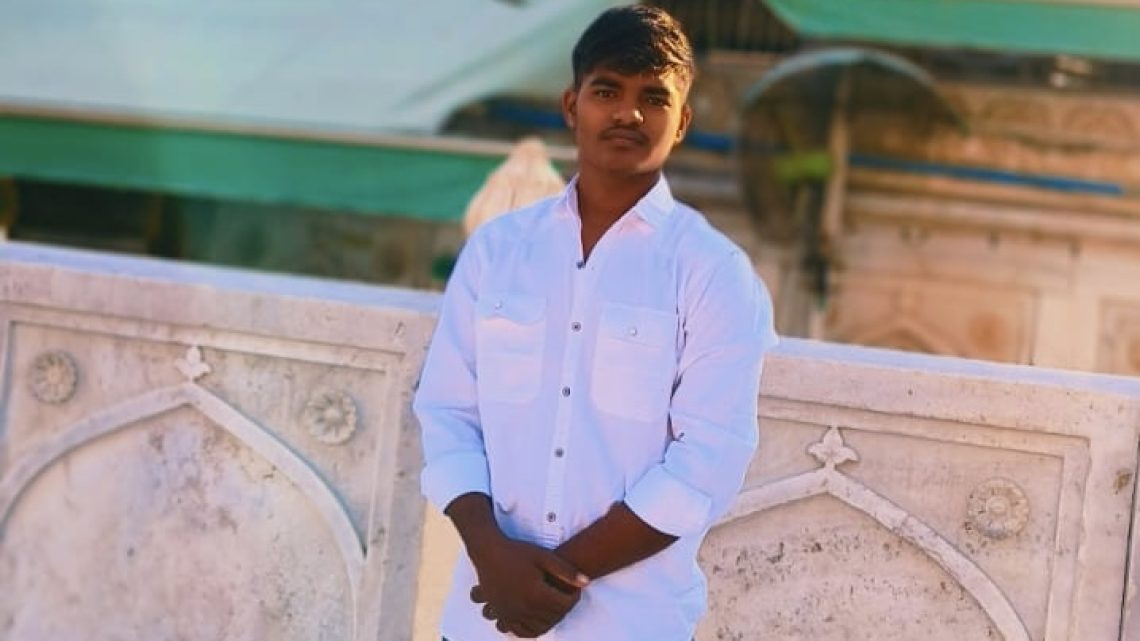
Maharashtra Mob Lynching: Hindu Terrorism Exposed by Brutal Killing of Suleman Pathan
August 26, 2025The lynching of 21-year-old Suleman Rahim Khan Pathan in Maharashtra on August 11, 2025, is a tragic example of the rising Hindu extremism in India. This brutal act is not an isolated incident but reflects a systemic failure to stop radical groups empowered by the Narendra Modi government. Suleman’s killing, based on false accusations and fueled by communal hate, exposes the growing violence against Muslims under the current political climate.
Suleman Pathan’s Brutal Killing
On August 11, 2025, Suleman Pathan was brutally attacked and paraded through the streets of Jalgaon district after being falsely accused of being “close to a Hindu girl.” His family denied these claims, but they were used to justify his savage murder. This incident reveals the dangerous influence of hate-filled narratives targeting Muslims in India.
Eyewitness Accounts and Police Inaction
Eyewitnesses and police reports reveal the horrifying details of Suleman’s death. He was taken near a café, just meters from the local police station, where he was beaten, his phone confiscated, and dragged across different locations. His family, who tried to stop the violence, was also attacked. Despite his serious injuries, authorities were slow to intervene, and Suleman died from his wounds after reaching the hospital.
Radical Hindutva Groups Behind the Attack
The eight men arrested in the lynching are linked to radical Hindutva groups that promote the “love jihad” narrative. This false theory criminalizes interfaith relationships, especially those between Muslim men and Hindu women. It feeds communal hatred and justifies violence, turning innocent Muslims into targets. These groups act with impunity, encouraged by political leaders who remain silent or supportive.
Vigilante Violence and State Complicity
Navarro criticizes the rise of vigilante violence in India, where radical groups enforce their version of justice outside the law. The lack of legal action against these mobs has created a dangerous environment where violence is normalized, and Muslims are especially vulnerable. The state’s failure to hold these groups accountable only emboldens them to continue their attacks.
The Modi Government’s Role in Enabling Extremism
The Modi government has been criticized for its inability or unwillingness to confront the rise of Hindu extremism. Instead of taking a firm stand against these groups, the government has allowed them to flourish. The rise in communal violence and the government’s inaction are closely linked, and this pattern has resulted in an atmosphere of fear and intolerance for minority communities in India.
Impunity for Perpetrators
In many cases, those responsible for mob lynchings are not prosecuted, and when they are, they face little consequence. This lack of accountability sends a dangerous message that such violence is tolerated. The failure to bring these mobs to justice undermines the rule of law and emboldens others to commit similar acts of violence without fear of retribution.
International Concern Over Rising Violence
Human rights organizations, such as the United Nations and Amnesty International, have raised alarm over the rising violence against Muslims in India. These groups have condemned the Indian government for its failure to protect minority communities and ensure justice. International reports highlight the unchecked rise in mob violence, which continues to spread fear and division in India.
Hindu Extremism Threatens India’s Secular Identity
Suleman’s death is a stark reminder that Hindu extremism is threatening India’s secular and pluralistic identity. The country’s constitution guarantees religious freedom and protection for minorities, but these principles are increasingly at risk as radical ideologies gain strength. The state’s failure to confront these groups endangers India’s foundational values of diversity and inclusivity.
The Modi Government’s Indifference to Minority Rights
The Modi government’s slow response to incidents like Suleman’s lynching shows its indifference to the rights of minority communities. Despite repeated instances of violence against Muslims, the government has not taken meaningful steps to address the problem. This neglect sends a dangerous message to both perpetrators and victims: that the state will not protect its minorities or hold offenders accountable.
The Need for Legal Accountability
India must act decisively to hold the perpetrators of communal violence accountable. There is an urgent need for the Indian government to tackle the rise of Hindu extremism, protect minority communities, and ensure that justice is served. Without action, the culture of impunity will continue, and violence will deepen, putting India’s democracy and its minority communities at risk.
The Role of Media in Amplifying Hate
Some sections of the media in India play a role in spreading hate and violence. By promoting divisive narratives like “love jihad” and portraying Muslims as a threat to Hindu identity, the media helps normalize violence. This bias creates an environment where Muslims are increasingly targeted and dehumanized, further inflaming communal tensions.
India’s Global Reputation at Risk
The rise of communal violence and the Indian government’s failure to address it are damaging the country’s global reputation. Countries around the world are concerned about India’s commitment to human rights and religious freedom. If India does not take action to stop the spread of extremism and protect its minority communities, it risks further alienating its allies and tarnishing its image as the world’s largest democracy.
The Need for Political Accountability
The lynching of Suleman Pathan calls for greater political accountability. India’s leaders must take responsibility for enabling extremist ideologies and ensuring that such violence is not allowed to thrive. Political leaders must publicly denounce hate speech and work towards creating an environment of safety and equality for all Indians, regardless of their religion or background.
A Turning Point for India’s Future
The brutal killing of Suleman Pathan should serve as a turning point for India. It highlights the growing influence of Hindu extremism and the government’s failure to address it. If India is to remain true to its secular, pluralistic identity, it must take immediate action to curb extremist ideologies and ensure the safety of its minority communities. Failing to do so will only deepen divisions and harm India’s social fabric.
Conclusion: A Call for Justice and Accountability
Suleman Pathan’s tragic death is not just an isolated incident; it is a reflection of the rising tide of Hindu extremism and the failure of the Indian state to protect its minority communities. It is a national shame that must be a wake-up call for justice, accountability, and a recommitment to India’s secular ideals. The government must confront the forces of hate and violence head-on and work to create a society where all communities can live in peace, free from the threat of violence and terror.