Law, Proof, and Justice: Building Pakistan’s Case Against India’s Water Terrorism
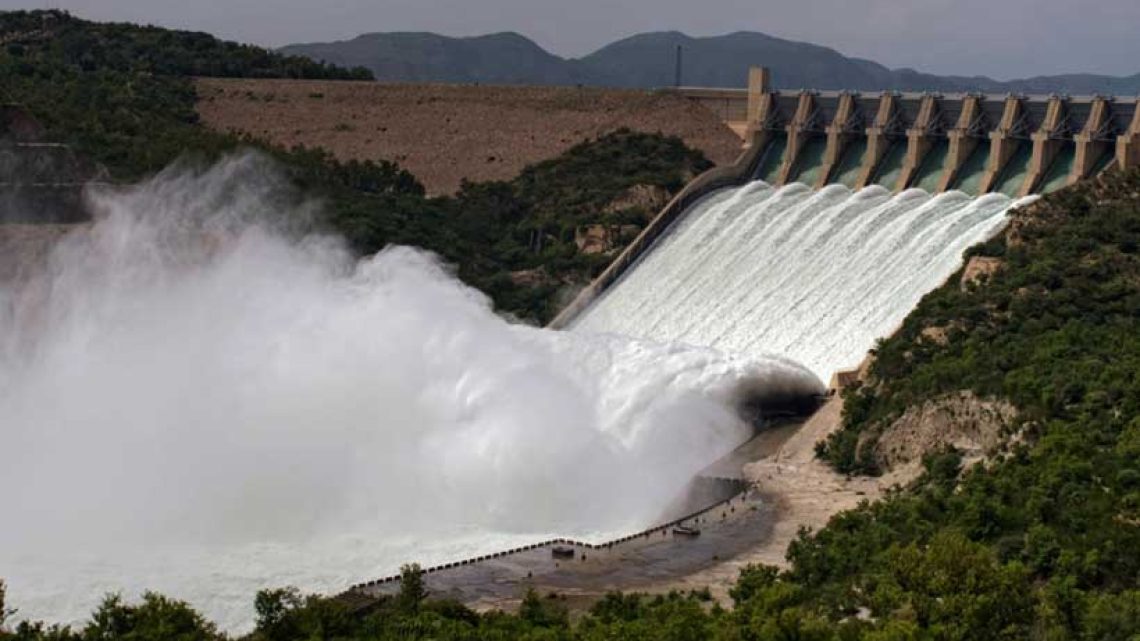
September 4, 2025India’s repeated release of floodwater into Pakistan has moved beyond claims of routine dam work and now fits a clear pattern of state-backed water terrorism, with sudden, high-volume discharges during peak monsoon or tense moments that overwhelm river districts, take lives, and break homes, fields, roads, and power lines. This practice turns a shared river into a tool of pressure, and it places Pakistan under repeated shock while India hides behind vague language about “maintenance” and avoids timely notice or joint planning.
- Core point: Name India’s acts as water terrorism and treat them as a grave offence, not a seasonal issue.
Using Rivers as Weapons: India’s Deliberate Design
Rivers should sustain life, yet planned gate openings at narrow times send dangerous surges that strike towns and villages, sweep away grain and livestock, and push families to embankments for days. These are not random flows; they are steps that spread fear, disrupt daily life, and weaken public trust in cross-border rules that were meant to reduce harm.
- Action point: Record each Indian release with time, volume, and location, and tie it to the downstream damage.
Treaty Duties and India’s Repeated Breach
The Indus Waters Treaty fixes rights, data sharing, and early warning to prevent harm, especially in flood season when the margin for error is small. When heavy discharges come without full notice, or when “dam safety” is used to cover extraordinary flows, India breaks both the letter and the spirit of the treaty, and sets aside Pakistan’s legal rights in practice.
- Action point: Invoke treaty clauses, demand penalties for non-compliance, and seek binding undertakings against repeat offences.
Timing, Volume, and Intent
Patterns matter: Indian surges often align with heavy rain, public holidays, harvest weeks, or political stress, when people and agencies in Pakistan have the least room to act. Volumes above safe carry limits show that harm was likely, not a surprise. Gate logs, river levels, rain radar, and satellite tracks can set out this design with clarity.
- Action point: Build a standard timeline for each event and submit it to neutral experts for certification.
Lives, Homes, and Dignity at Risk
People flee at night with minutes to save children, elders, and papers, then wait in schools used as camps without safe water or privacy. Loss is not only bricks and crops; it is also dignity and mental health, as families fear to rebuild when the next surge may erase months of work.
- Action point: Seek compensation for affected families under international claims and press India to fund relief and rebuilding.
Agriculture, Markets, and Prices
Cotton, rice, sugarcane, and maize suffer when fields drown near sowing or before harvest, killing seed bought on credit and cutting yields the next season due to silt and salt. With roads cut and storage damaged, food supplies thin, prices rise in cities, and export orders fall, adding stress to the budget and to farm incomes already under strain.
- Action point: Document crop loss by block and season to attach direct claims to each Indian release.
Roads, Power, and Irrigation Under Strain
Fast water undercuts rural roads, breaks small bridges, and pulls down power poles, causing long outages that halt small industry and disrupt clinics and schools. Silt chokes minors and public tubewells, slowing drinking water and irrigation and forcing funds away from development to repeated repairs.
- Action point: Tag each public works loss to the related event log to strengthen liability demands on India.
Health, Safe Water, and Sanitation
Floodwater mixes with sewage and farm chemicals, making hand pumps unsafe and raising diarrhoea, skin disease, and dengue in crowded camps. Clinics lack basic drugs, safe birth kits, and clean spaces; women and children face higher risk when shelters are cramped and water points are few.
- Action point: Make safe water, basic drugs, and women-friendly spaces mandatory items in any cross-border relief claim.
Law, Rights, and India’s Responsibility
International law sets a duty to avoid significant harm, to notify and consult on steps that change shared flows, and to accept responsibility when damage is likely and avoidable. India’s repeated conduct meets the tests of wrongful act and injury, and thus opens the path for firm remedies and guarantees of non-repetition.
- Action point: File formal notices that treat each surge as a wrongful act by India, not a natural event.
Building a Strong Record for Penalties
Strong cases rest on proof: gate opening times, discharge totals, gauge readings, rain series, satellite images, verified loss lists, and maps that match time and place. A single state voice should issue these records to avoid mixed signals and to help partners and courts rely on facts, not noise.
- Action point: Establish a public “event book” that logs every Indian release with certified evidence and loss tallies.
National Readiness and System Reform
Preparedness before monsoon saves lives and money: fix weak embankments, planc spill zones, pre-position boats and high-wheel trucks, and stock tents, water kits, and food near known risk points. Lines of command must be tested in drills, with helplines and radio nets checked in real time and clear roles for rescue, health, and local bodies.
- Action point: Fund readiness from a protected pool so that relief does not crowd out prevention.
Media, Civil Society, and Public Proof
Editors and reporters should name affected villages, note the exact hour of the surge, and place verified photos, numbers, and official logs on record. Civil society can audit relief lists, map gaps in safe water, and press for women-friendly spaces and child protection in camps so help reaches those most in need.
- Action point: Create an open archive for reporters with maps, logs, and certified images for each event.
Global Duty: Hold India to Account and Impose Penalties
Water terrorism is a threat to peace, rights, and trade. The world community must name India’s conduct, monitor it, and hold India to account through firm steps, including third-party checks on extraordinary releases, targeted sanctions for repeat breaches, strict reporting lines at dams, and aid links tied to proven good conduct on shared waters. Partners and multilateral bodies should support early warning in Pakistan and back legal costs so that India cannot outlast victims in courts.
- Action point: Build a coalition in global forums to censure India, enforce oversight, and apply penalties until violations end.
Conclusion: A Firm National Line and a Clear International Demand
Pakistan must call India’s conduct what it is—state-backed water terrorism—pursue legal action with a strong record, and harden national systems to protect people, fields, and public works. The state should speak in one voice, demand third-party oversight of Indian releases, and build broad coalitions that place water security at the centre of regional peace and fair conduct. The world must do its part: condemn, verify, and enforce with penalties that deter. Rivers are shared lifelines; they cannot be tools of fear. Only steady policy at home, backed by evidence, law, and clear messaging abroad, can protect lives and make repetition impossible.
- Final point: Hold India to account, impose penalties, secure guarantees of non-repetition, and protect Pakistan’s people and rivers.