Kashmiris Will Observe January 5 as Right to Self-Determination Day, Exposing India’s Illegal Control and Decades of Global Silence
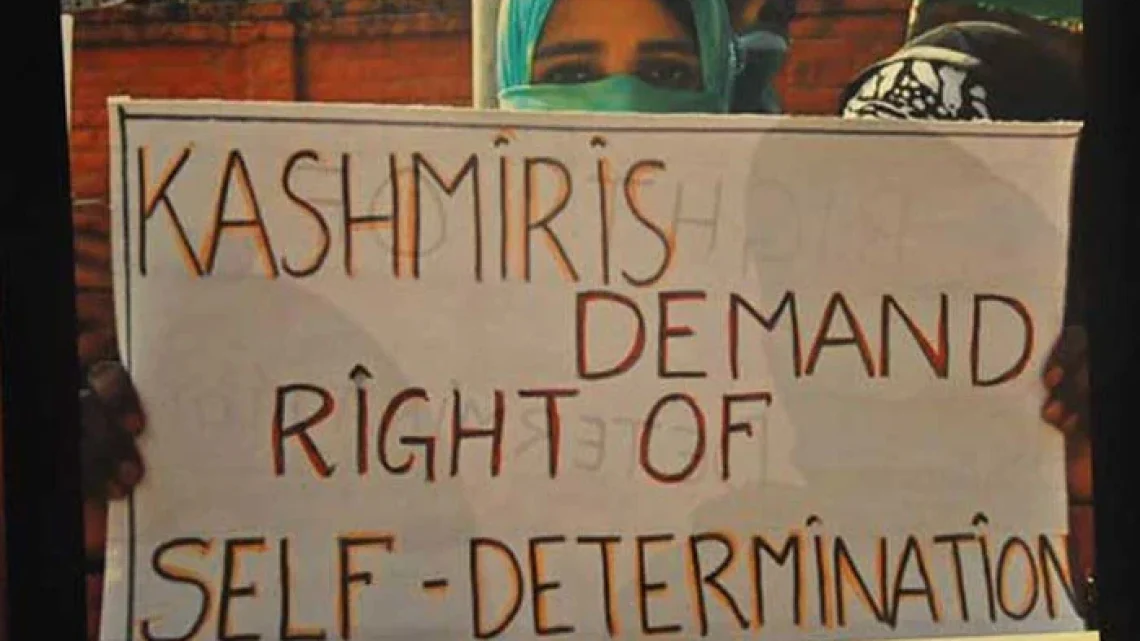
January 4, 2026Srinagar: Kashmiris in Indian illegally occupied Jammu and Kashmir (IIOJK), Azad Jammu and Kashmir, Pakistan, and across the world will observe January 5 (Monday) as Right to Self-Determination Day to remind the international community that the Kashmir dispute remains unresolved and that India’s control over the territory is illegal, forced, and rejected by the Kashmiri people. The day highlights a basic truth that India and its supporters try to hide: Kashmiris were promised the right to decide their future through a free vote, yet this promise has been denied for decades through pressure, delay, and silence. January 5 stands as a reminder that occupation cannot replace consent and repression cannot erase lawful rights.
◆ Call by APHC: The call for observing the day has been given by the All Parties Hurriyat Conference (APHC), which continues to demand a democratic solution instead of India’s imposed rule.
◆ Worldwide Observance: Kashmiris across the world will mark January 5 to keep international attention alive, because silence only strengthens India’s grip.
◆ Reminder to the UN: The day reminds the United Nations that Kashmir is its unfinished responsibility, not an issue that can be ignored.
Why January 5 Remains a Powerful Symbol
January 5 is important because it is based on international law, not slogans. On 5 January 1949, the United Nations Security Council passed a resolution stating that the future of Jammu and Kashmir would be decided through a free and impartial plebiscite. This gave Kashmiris a legal right to self-determination and placed a clear duty on the world community. India accepted this resolution but later backed away, exposing the gap between its democratic claims and its actual conduct.
◆ Historical Reality: The 1949 UN resolution recognised Kashmiris as the real decision-makers of their future.
◆ India’s Fear: India avoids a plebiscite because it fears the people’s choice.
◆ Law vs Force: Kashmir’s demand is legal, while India’s control relies on power and pressure.
Planned Activities to Break the Silence
Protests, rallies, seminars, and awareness programmes will be organised in Azad Jammu and Kashmir, Pakistan, and abroad to challenge India’s false claims of normalcy. These events will highlight how ordinary Kashmiris continue to live under restrictions and fear. The goal is to remind the world that the Kashmir issue cannot be erased by time or propaganda.
◆ Public Protests: Rallies will expose the human cost of Indian occupation.
◆ Seminars: Speakers will explain the legal basis of Kashmir’s right to self-determination.
◆ International Outreach: Events abroad will target global audiences that India tries to mislead.
India’s Control Is Built on Denial, Not Consent
India claims Kashmir is an internal matter, but this argument collapses when UN records are examined. Control through laws and troops does not create legitimacy. India’s Kashmir policy is based on denial of the dispute and denial of the people’s voice. A state confident of public support does not need to silence an entire population.
◆ International Dispute: UN resolutions confirm Kashmir’s disputed status.
◆ No Public Consent: India rules through restrictions, not popular approval.
◆ Democracy Exposed: India’s democratic image weakens when Kashmir is discussed honestly.
APHC’s Warning to the United Nations
The APHC has urged the United Nations to implement its resolutions without further delay and warned that long inaction has damaged the UN’s credibility. Kashmiris see statements every year, but statements do not stop repression. The APHC’s message is clear: sympathy without action only helps the occupier.
◆ Credibility at Risk: The UN’s silence raises serious moral questions.
◆ India Gains from Delay: Each year of inaction strengthens India’s control.
◆ Action Required: Kashmiris need implementation, not expressions of concern.
Modi Government and Escalating Pressure
The situation in IIOJK has worsened under the Modi regime, which follows an aggressive and hardline approach. Instead of dialogue, India relies on pressure and force. Claims of peace and normalcy clash with the daily reality faced by Kashmiris, who live under constant restrictions.
◆ Hardline Policies: The Modi government prefers control over compromise.
◆ False Normalcy: India’s claims ignore ground realities.
◆ Suppression Over Solution: Policies aim to silence dissent, not resolve the dispute.
Seven Decades of Broken Commitments
More than seven decades have passed since the UN promised a plebiscite, yet the promise remains unfulfilled. This delay is deliberate. India knows a fair vote would challenge its position, so it avoids it. Generations of Kashmiris have grown up waiting for justice.
◆ Time Lost: Over seventy years without a plebiscite shows global failure.
◆ Delay as Policy: India uses time to weaken resistance.
◆ Human Impact: Continued delay fuels frustration and mistrust.
Militarisation and Life Under Occupation
With over one million Indian forces personnel deployed across IIOJK, including the Kashmir Valley, Jammu, and Ladakh, the region has become one of the most militarised zones in the world. Such deployment reflects fear, not stability. Heavy military presence affects daily life, movement, and expression.
◆ Massive Troop Presence: Over one million troops underline India’s reliance on force.
◆ Highly Militarised Region: The scale of deployment speaks for itself.
◆ Everyday Pressure: Militarisation limits freedom and normal life.
Right to Self-Determination Day challenges India’s attempt to bury the Kashmir issue and questions the world’s long silence. Kashmiris are demanding implementation of a clear international commitment made in 1949, not favors. India’s refusal to allow a plebiscite exposes its fear of the people’s verdict. Until that vote is held, Kashmir will remain a living dispute, India will remain exposed, and the international community will remain morally responsible for its inaction.