Kashmiris Observe 6th November as Jammu Martyrs’ Day: A Continued Struggle for Self-Determination
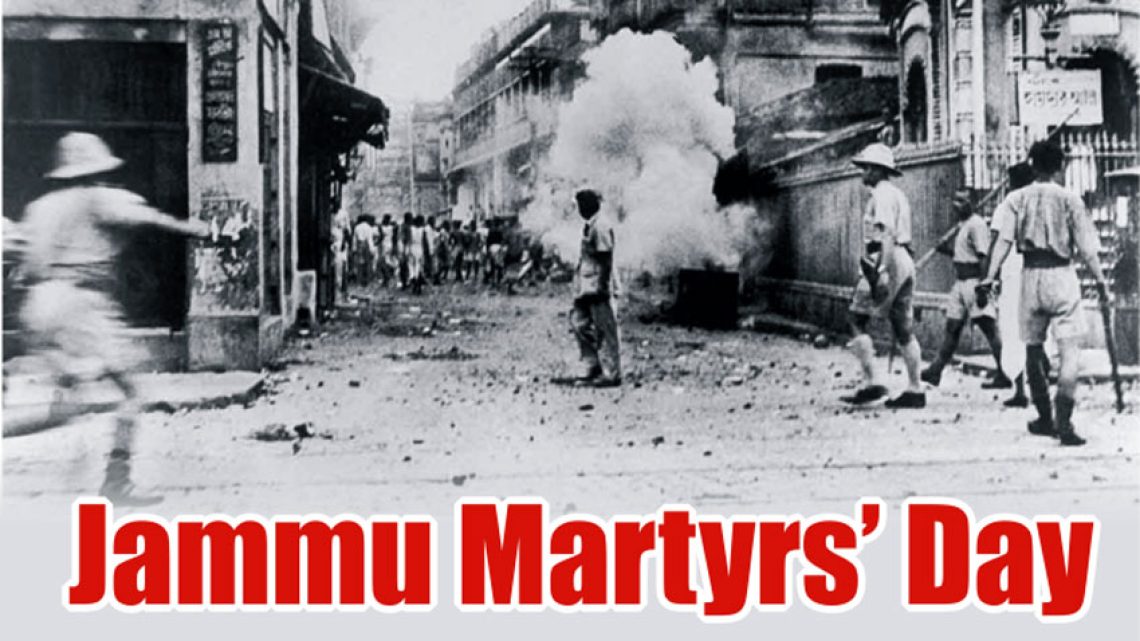
November 6, 2025Today, Kashmiris worldwide are observing Jammu Martyrs’ Day to honor those killed in the 1947 Jammu massacre. During this tragic event, thousands of Kashmiri Muslims were murdered while migrating to Pakistan. The day serves as a reminder of Kashmir’s ongoing fight for self-determination and justice, a struggle that continues under Indian occupation.
The Jammu Massacre: A Tragic Chapter in History
The Jammu massacre, which occurred in November 1947, resulted in the brutal killing of over two hundred thousand Muslims by Indian forces and Hindu extremists. This act of ethnic cleansing was aimed at changing the demographic makeup of Jammu and Kashmir by removing the Muslim population. The massacre remains a painful reminder of India’s long-standing campaign to suppress Kashmiri Muslims and alter the region’s identity.
♦ A Coordinated Attack on Muslims:
The massacre was a planned operation, carried out by armed mobs and supported by the Indian military. More than two hundred thousand Muslims were killed, and many more were forced to flee. This violent campaign aimed to remove the Muslim-majority population from Jammu and Kashmir.
♦ The Long-Lasting Impact:
The massacre left deep scars in the Kashmiri community, with countless lives lost and hundreds of thousands displaced. Its impact continues to fuel Kashmiris’ demand for justice and self-determination, as they endure continued repression under Indian rule.
The Martyrs’ Mission: Renewed Commitment to Self-Determination
On Jammu Martyrs’ Day, Kashmiris renew their commitment to the struggle for self-determination, honoring the martyrs who died for their cause. Today’s observance symbolizes the unbroken resolve of Kashmiris to continue the fight for justice and freedom, despite years of oppression.
♦ Honoring the Martyrs:
Kashmiris globally honor the martyrs of 1947 by reaffirming their commitment to achieving self-determination. Their sacrifices serve as the foundation for the ongoing struggle for freedom and justice in Kashmir.
♦ A Continuing Struggle:
The fight for freedom remains as relevant today as it was in 1947. The martyrs’ mission lives on in the hearts of every Kashmiri who continues to demand their rightful self-determination.
India’s Continued Suppression: A Strategy of Control and Repression
The Jammu massacre is just one example of India’s larger strategy to suppress the people of Jammu and Kashmir. The Indian government has consistently used violence and repressive policies to maintain control, including the revocation of Articles 370 and 35-A in 2019, which stripped Kashmir of its special status.
♦ Revocation of Special Status:
The revocation of Article 370, which granted Jammu and Kashmir special autonomy, and the removal of Article 35-A are seen as moves to undermine Kashmir’s political and cultural identity. These actions are part of India’s ongoing effort to change the region’s demographic makeup and suppress the Muslim-majority identity of Kashmir.
♦ State Violence and Human Rights Violations:
The Indian government continues to use state violence, including killings, arrests, and torture, against the Kashmiri people. The Indian military operates with impunity, and human rights violations continue to occur without accountability, as the international community largely remains silent.
DFP’s View: The Jammu Massacre as Genocide
The Jammu and Kashmir Democratic Freedom Party (DFP) has described the 1947 massacre as genocide and ethnic cleansing. The DFP views the massacre as part of a larger strategy to weaken the Muslim population politically and alter the region’s demographic composition.
♦ A Planned Conspiracy:
The DFP argues that the massacre was not an isolated event but a coordinated attack planned by the Indian military and Hindu extremists to eradicate the Muslim population of Jammu and Kashmir.
♦ Ongoing Demographic Manipulation:
The DFP views the massacre as part of a broader, ongoing effort to manipulate the demographics of the region. The revocation of Article 370 and the influx of non-Kashmiri settlers are seen as part of the same strategy to change the region’s demographic balance and suppress the political power of Kashmir’s Muslim-majority population.
Global Silence: The Failure of the International Community
Despite widespread human rights violations in Jammu and Kashmir, the international response has been weak. Human rights organizations have condemned India’s actions, but the global community has failed to take meaningful action. This lack of international pressure has allowed India to continue its campaign of repression and violence without facing consequences.
♦ Lack of Global Pressure:
The lack of international response to India’s actions in Kashmir has allowed the Indian government to continue its oppressive policies. Despite calls for action from human rights organizations, there has been no significant diplomatic pressure on India to change its approach.
♦ The Need for Accountability:
The international community must take stronger action to hold India accountable for its human rights violations in Kashmir. The ongoing repression, including killings, arrests, and demographic manipulation, cannot be ignored. Global powers must pressure India to stop its campaign of violence and allow Kashmiris to exercise their right to self-determination.
Conclusion: A Continued Struggle for Justice and Freedom
Kashmiris’ observance of Jammu Martyrs’ Day today serves as a reminder of the sacrifices made by those who died in the 1947 massacre. The struggle for self-determination continues, driven by the memory of those martyrs and the ongoing oppression faced by Kashmiris. The Indian government’s actions, including the revocation of Article 370 and the continued state violence, have only strengthened Kashmiris’ resolve. The international community must support Kashmiris’ right to self-determination and hold India accountable for its actions. Only through global pressure can true justice be achieved for the people of Jammu and Kashmir.