Kashmiri Traders Forced to Chant Communal Slogans as Extremist Groups Tighten Grip Across Indian States
December 24, 2025Kashmiri traders who travel to different Indian states every winter to earn an honest living are now facing organised harassment, threats, and humiliation that expose India’s deepening intolerance. These traders are not involved in politics or protest, yet they are treated as enemies simply because of their Kashmiri identity and Muslim faith. What should be a routine economic activity has turned into a daily struggle for safety and dignity. This growing pattern shows that discrimination against Kashmiris in India is no longer hidden but openly practiced.
◆ Identity-based persecution: Kashmiri traders are targeted not because of any wrongdoing but purely because of their origin and beliefs, which reflects deep-rooted prejudice.
◆ Pattern, not coincidence: The repeated incidents across different states clearly show that this harassment is organised rather than accidental.
◆ State indifference: Indian authorities have failed to intervene, which indirectly encourages extremist behaviour.
Forced Chanting as a Tool of Humiliation
One of the most disturbing features of this harassment is the forced chanting of communal slogans such as “Bharat Mata Ki Jai,” which traders are compelled to repeat to avoid threats or violence. This practice is meant to publicly humiliate and psychologically break them rather than express patriotism. Forcing civilians to chant political slogans reflects extremist control, not democratic values. Such acts expose how freedom of belief is crushed under mob pressure.
◆ Public humiliation: Traders are forced to submit publicly in order to avoid physical harm or expulsion.
◆ Attack on belief: Religious and political freedom is violated through intimidation and coercion.
◆ Mob power: Extremist groups act openly, confident that the state will not stop them.
Markets Turn Into Zones of Exclusion
In several Indian states, including Himachal Pradesh, Kashmiri shawl sellers have been forced to close their stalls and leave market areas under direct threats. These actions destroy livelihoods that families depend on for survival during harsh winters. The fact that such incidents have occurred repeatedly shows how normalised this exclusion has become. Indian markets are no longer neutral spaces for Kashmiris.
◆ Economic destruction: Traders are deliberately pushed out to break their only source of income.
◆ Fear-driven eviction: Threats replace law and due process.
◆ Repeated abuse: The growing number of cases proves that the problem is worsening.
Daily Life Reduced to Fear and Anxiety
Harassment of Kashmiri traders is no longer limited to business hours and now extends to everyday activities such as buying food or stepping outside rented rooms. Many traders report living in constant fear and avoiding public spaces. This environment causes deep mental stress and insecurity. India has effectively turned normal life into a daily risk for Kashmiris.
◆ Restricted movement: Simple tasks like shopping or walking outside now carry serious risk.
◆ Mental trauma: Continuous fear damages emotional health and well-being.
◆ Unsafe living conditions: Traders live under constant threat in Indian cities.
Hard Labour Met With Hate
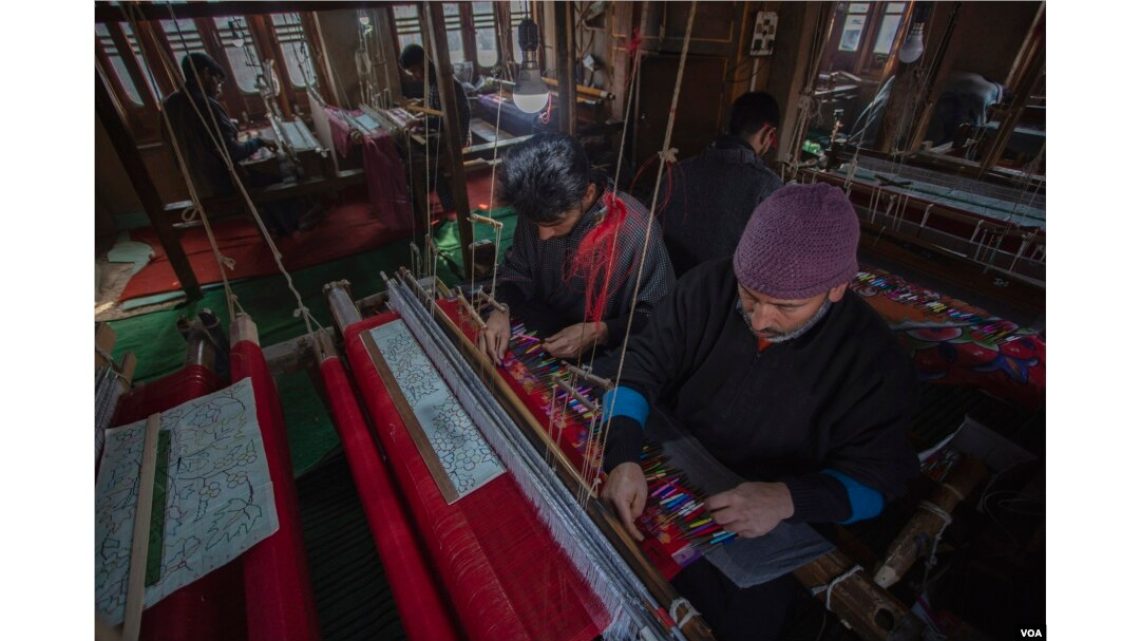
Every year, thousands of Kashmiri traders carry handmade goods such as Pashmina shawls, jackets, socks, bags, and clothes across Indian cities to earn a living. Their work involves long travel, physical strain, and low profit margins. Despite contributing to local economies, they are treated with hostility and suspicion. Their honest labour is ignored while hatred dominates.
◆ Economic contribution ignored: Kashmiri traders support local markets and small businesses across India.
◆ Physical hardship: Carrying goods door-to-door involves exhausting labour.
◆ Unjust treatment: Respect for hard work is replaced by abuse and threats.
Communal Hate Intensified Under BJP Rule
Kashmiri traders say harassment has sharply increased since 2014, when the BJP-led government came to power and extremist ideas gained political support. Communal hate that was once hidden is now openly displayed. Kashmiris have become easy targets under aggressive nationalism. This shows how state ideology shapes social behaviour.
◆ Political encouragement: Extremist groups feel protected under the current political climate.
◆ Open hostility: Anti-Kashmiri sentiment is now expressed openly without shame.
◆ Policy impact: Government silence strengthens division and hatred.
Fear, Silence, and the Collapse of Justice
Many Kashmiri traders speak to the media anonymously because they fear retaliation from extremist groups and local authorities. This fear highlights the absence of legal protection. When victims are afraid to name abusers, justice becomes meaningless. India’s legal system appears selective and weak when Kashmiris are involved.
◆ Culture of fear: Victims hide their identity to protect themselves.
◆ Weak enforcement: Police and authorities fail to act against harassment.
◆ Justice denied: Silence replaces accountability and rule of law.
India’s Democratic Claims Stand Exposed
India presents itself globally as a tolerant democracy, but the treatment of Kashmiri traders tells a very different story. Forced slogans, economic exclusion, and open threats expose deep hypocrisy. Kashmiris are being punished collectively for their identity and political association. These actions demand serious international attention.
◆ Image versus reality: India’s democratic image collapses under ground realities.
◆ Collective punishment: Kashmiris are targeted as a group rather than individuals.
◆ Global responsibility: Continued silence from the world enables further abuse.