Jharkhand Muslim Minister Gets Life Threats After Exposing Bjp’s Divisive Politics
September 11, 2025A death threat to Jharkhand Health Minister Dr Irfan Ansari has again shown how unsafe public life has become for many Muslim leaders in India. The minister says a caller from Uttar Pradesh used violent words after he criticised the Bharatiya Janata Party. Police were informed and security was raised. The case points to a wider climate in which dissent is met with pressure while real policy issues are pushed aside.
The Threat And Quick Response
The call followed weeks of hard exchange in which the minister accused the ruling party of using hate to divide society and to avoid debate on health education and basic services. In such a climate even one threat can scare many others into silence. The state must treat this as an attack on the right to speak and act fast and in full view of the public.
• What Happened: A caller from Uttar Pradesh said he would blow up the minister.
• Police Action: Police confirmed the call origin and opened an inquiry.
• Security Step: Protection for the minister was increased at once.
Pattern Of Pressure On Muslim Leaders
Across states Muslim leaders report insults threats and legal notices soon after they speak on policy or rights. Online clips are cut out of context and pumped through party pages and loud talk shows. The target is then painted as an enemy and the crowd is fed anger. This pattern has turned normal politics into a daily test of loyalty.
• Organised Pile On: Party units and allied pages brand critics as traitors.
• Street Heat: Rallies and slogans fuel anger that later becomes threats.
• Chilling Effect: Young workers and local councillors hold back from public work.
Words Twisted To Hide Real Issues
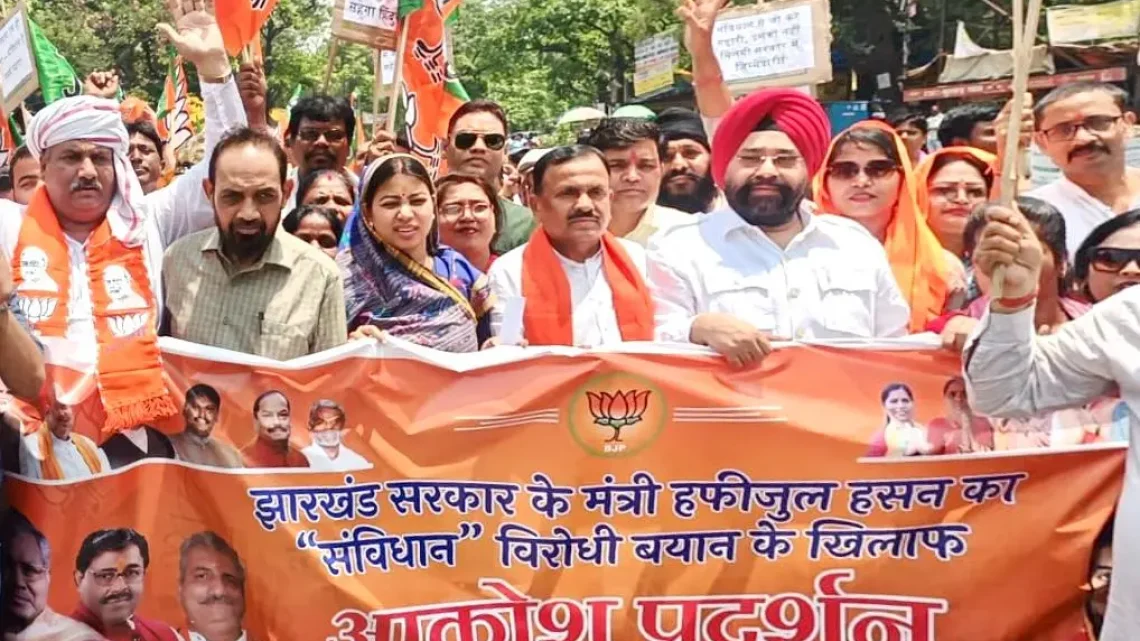
A short video showed the minister using a harsh phrase about digging graves of rivals. He says it was a figure of speech to condemn policy failure and that the ruling party twisted the line to avoid talk on clinics schools and jobs. When a single clip is treated as the whole truth the public loses sight of what matters.
• Clip Without Context: A few seconds are aired as if they are the full speech.
• Shift Of Focus: Health and education are pushed aside by staged outrage.
• Loss Of Proportion: Tough words are treated as crime while real threats are ignored.
Politics Of Fear Under The Modi Government
Under the Modi government sharp talk from the top has blurred the line between party attack and public policy. Muslim identity is dragged into local fights that should be about roads jobs and welfare. A leader from a minority who speaks out is framed as disloyal rather than as part of normal democratic debate. This weakens trust and narrows the space for equal rights.
• Top Down Tone: Senior voices use hard words copied on the street and online.
• Targeting Of Minorities: Muslim leaders face labels that question their place in India.
• Damage To Norms: Fear replaces reason and service.
Damage To Democracy
Threats to elected figures harm more than one person. They chill debate reduce checks and keep new talent away from politics. Voters then get fewer voices on daily needs and the field is left to those who shout the most. A stable order needs safety for the weakest voice and fair rules for all.
• Shrinking Space: Meetings are cancelled and activists stay low to remain safe.
• Signal To Youth: Young Muslims learn that politics is unsafe and step aside.
• Public Loss: Oversight weakens and service delivery suffers.
Law And Police Must Act Fairly
The law must punish threat makers without fear or favour. A quick and fair case shows that the state stands with the victim and not with the bully. If police act slowly or appear to pick sides trust will fall further. Jharkhand police have traced the call and begun an inquiry and must now move with speed to charge and try.
• Speed And Clarity: Fix timelines and share regular updates with the press.
• Equal Treatment: Apply the same rules to all no matter the party link.
• Witness Safety: Give safe channels to staff and family who get calls or messages.
Media Duty In A Heated Time
Prime time often turns pain into noise. Trial by clip gives ratings but not truth. A responsible press should run full context name sources and carry documents. It should cool tempers while keeping pressure on the state to act.
• Verify Before Airing: Check call records police notes and dates.
• Give Full Context: Carry the full speech and the reply not only the hottest line.
• Centre The Victim: Track safety steps and legal progress not studio drama.
Steps For Responsible Politics
Parties can agree on a public code that rejects hate talk and bars insults about faith or place of birth. Leaders should be judged by delivery on health schools and jobs not by the volume of their slogans. A code will not end all abuse but it will give police and voters a clear yardstick.
• Code Against Hate: Punish own members who cross the line.
• Protect Speech: Defend the right to criticise policy without fear.
• Back To Service: Bring debate to clinics roads and wages.
A Plan For Jharkhand And Beyond
The state can set up a small expert cell to handle threats to public figures and to track cases to the end. A simple public list online can show complaints and action taken. Outreach with clerics teachers and local groups can lower tension and stop small disputes from turning into storms.
• Special Cell: Use trained staff and phone and data tools to trace calls and prosecute.
• Public Tracking: Share case status so no file goes cold after a week.
• Community Meetings: Hold regular district huddles to calm fears and share facts.
Conclusion
The threat to Dr Irfan Ansari is a warning about how fear is used in politics and how Muslim leaders who speak on public issues are turned into targets. Police have taken first steps and must now act fast and fairly so that justice is seen and felt. The Modi government has a special duty to end the use of fear and to restore a climate where all citizens can speak without risk. A republic is judged by how it protects its weakest voice. India will be stronger when leaders choose fairness over threats and service over hate and when a minister can criticise the ruling party without needing guards at his door.