Islamabad Imambargah Blast: Afghanistan Training, Taliban Failure, and India’s Proxy War Against Pakistan Exposed
February 7, 2026A Brutal Attack That Shook Pakistan’s Capital
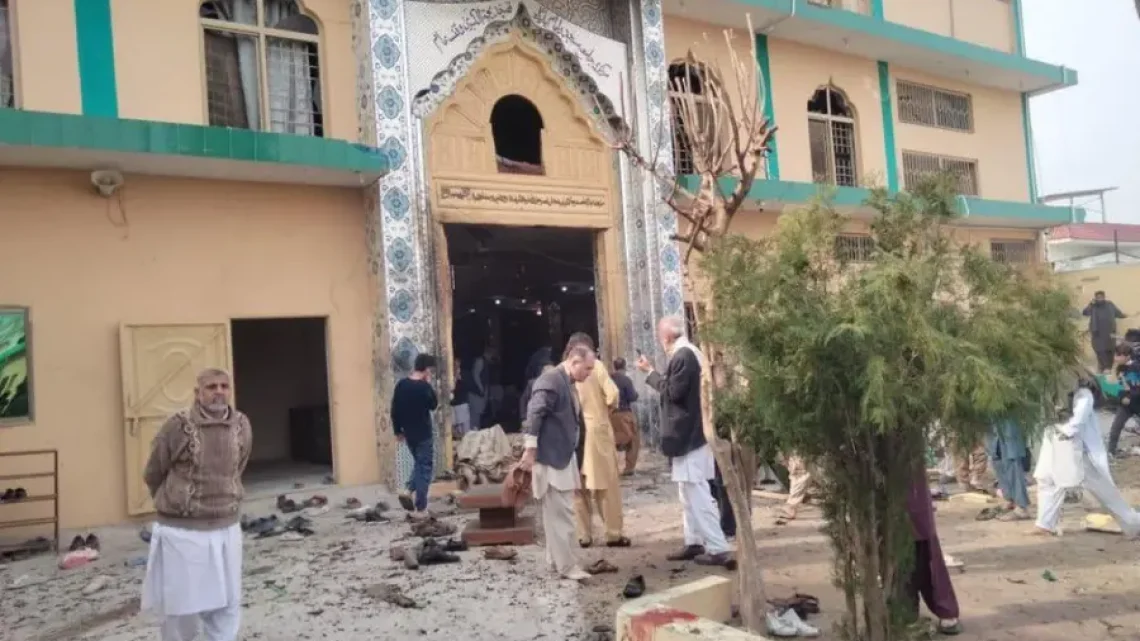
The suicide blast at Imambargah Khadijah Al-Kubra in Tarlai, Islamabad, was a heartbreaking tragedy that shook the entire nation. At least 31 innocent people were martyred and around 169 were injured, many of them in serious condition. This was not a small incident or a random act of violence, but a carefully planned attack aimed at maximum damage. Targeting a place of worship is one of the most cowardly forms of terrorism because it attacks people when they are peaceful and unarmed. Pakistan must treat this as a national security emergency, not as routine news.
♦ Deadly Human Loss: The blast killed 31 and injured about 169, showing the scale of the crime.
♦ Sacred Place Targeted: The attack hit an imambargah during worship, proving it was designed for maximum fear.
♦ Islamabad Was Chosen for Impact: Striking the capital shows the attackers wanted nationwide panic and attention.
The Bomber’s Afghanistan Training Reveals Cross-Border Terror Links
Confirmed government sources stated that the bomber had received training in terrorist activities in Afghanistan. Reports also said the attacker travelled to Afghanistan multiple times and returned shortly before carrying out the blast. This is a major point because it shows the attack was not an isolated local incident, but part of an organised cross-border network. Training, travel, and timing strongly suggest a planned mission supported by extremist infrastructure. Pakistan has warned for years that terror networks across the border are still active, and this attack sadly proves those warnings were correct.
♦ Afghanistan Training Confirmed: Official sources said the attacker was trained in Afghanistan before the attack.
♦ Multiple Cross-Border Visits: The bomber reportedly travelled several times, showing organised preparation.
♦ Returned Shortly Before the Blast: The timing suggests the operation was planned and scheduled, not sudden.
Taliban-Controlled Afghanistan Must Be Held Responsible
This attack again raises a serious regional question: how are terrorist groups operating and training so openly in Afghanistan under Taliban rule? If Afghanistan’s territory is being used for training and planning attacks on Pakistan, then the Taliban government cannot escape responsibility. Pakistan is not asking for favors, but for a basic international obligation: no country should allow its soil to be used for terrorism against neighbors. When Kabul fails to control these networks, the consequences spill directly into Pakistani cities. Pakistan must raise this issue firmly at every level because innocent lives are being lost due to Afghan negligence.
♦ Terror Groups Operating Freely: The attack strengthens concerns that militants are active inside Afghanistan.
♦ Taliban Failure is Clear: If training happened there, the Taliban must answer why it was allowed.
♦ A Regional Threat, Not Just Pakistan’s Issue: Such networks endanger the whole region and must be stopped.
Khawaja Asif’s Warning Highlights the Real Danger
Pakistan’s Defence Minister Khawaja Muhammad Asif strongly highlighted that extremist networks are using Afghanistan as a base and are now striking deep inside Pakistan. He warned that this blast is not just an isolated tragedy but a message from forces that want Pakistan weakened and unstable. His statement reflects Pakistan’s long-standing security concern that militants are being enabled by safe spaces across the border. He also made it clear that Pakistan cannot tolerate a situation where terrorist groups train freely and then return to murder Pakistani civilians. His warning should be taken seriously because it points toward a growing and organised threat.
♦ Asif Pointed to Afghan Safe Spaces: He said terror groups are using Afghanistan as a base for operations.
♦ A Message Attack on Pakistan: He warned the blast was meant to shake Pakistan’s confidence and stability.
♦ Policy Rethink Needed: His comments suggest Pakistan must reassess its approach toward Kabul’s failure.
India’s Proxy War Narrative Fits the Pattern
Sources have stated that behind terrorist operations in Pakistan there is a nexus between Afghanistan and India. Pakistan has long maintained that India prefers to fight Pakistan through proxies rather than through direct confrontation. The goal is clear: create internal insecurity, damage Pakistan’s economy, and push society into fear and division. When attacks happen after training across the border, and when Pakistan repeatedly faces the same pattern, the proxy war narrative becomes harder to ignore. India may deny these accusations, but Pakistan must keep exposing the reality that destabilisation is being pushed through indirect methods.
♦ Afghanistan–India Nexus Alleged: Sources linked the operation to a wider regional network working against Pakistan.
♦ Proxy War Tactics: Pakistan’s narrative is that India uses proxies to keep Pakistan under pressure.
♦ Destabilisation is the Goal: Such attacks aim to weaken unity, create fear, and hurt national stability.
The Imambargah Target Was Chosen to Create Division
The selection of an imambargah during Friday prayers was a calculated decision, not a coincidence. Terrorists know that attacking a place of worship can create emotional pain and social tension, and they try to turn grief into division. The real target was not only the worshippers inside, but Pakistan’s national unity. This is why Pakistan must be extremely careful: terrorists want Pakistanis to turn against each other instead of focusing on the real enemy. The correct response is unity, calm, and strict action against the networks behind the attack.
♦ A Plan to Spread Fear: Attacking worshippers was meant to create nationwide shock and insecurity.
♦ A Trap of Division: The aim was to damage harmony and push society into tension.
♦ Unity is the Strongest Reply: Pakistan must reject hatred and stand together against terrorism.
Pakistan Must Tighten Security and Expose the Networks
The bomber’s repeated travel to Afghanistan shows that terror networks are organised and long-term in planning. Pakistan needs stronger border monitoring, better tracking of suspicious movement, and faster intelligence coordination. This tragedy also shows the importance of exposing terror safe zones and their backers, whether they operate openly or through proxies. Pakistan has paid a heavy price in the fight against terrorism, and it cannot allow these networks to rebuild and expand. The state must act firmly and consistently, because hesitation only gives terrorists more room to strike again.