Growing Tensions Between India and Pakistan
August 12, 2025Tensions between India and Pakistan have once again escalated, with India deliberately misrepresenting comments made by Pakistan’s Chief of Army Staff, Field Marshal Asim Munir, during a recent speech in the United States. India’s intentional distortion of these remarks is not only misleading but also dangerous. By misrepresenting Pakistan’s nuclear stance, India is attempting to provoke further instability in the region. Such actions are irresponsible and undermine any effort to achieve peace or security in South Asia.
Misrepresentation of Pakistan’s Nuclear Posture
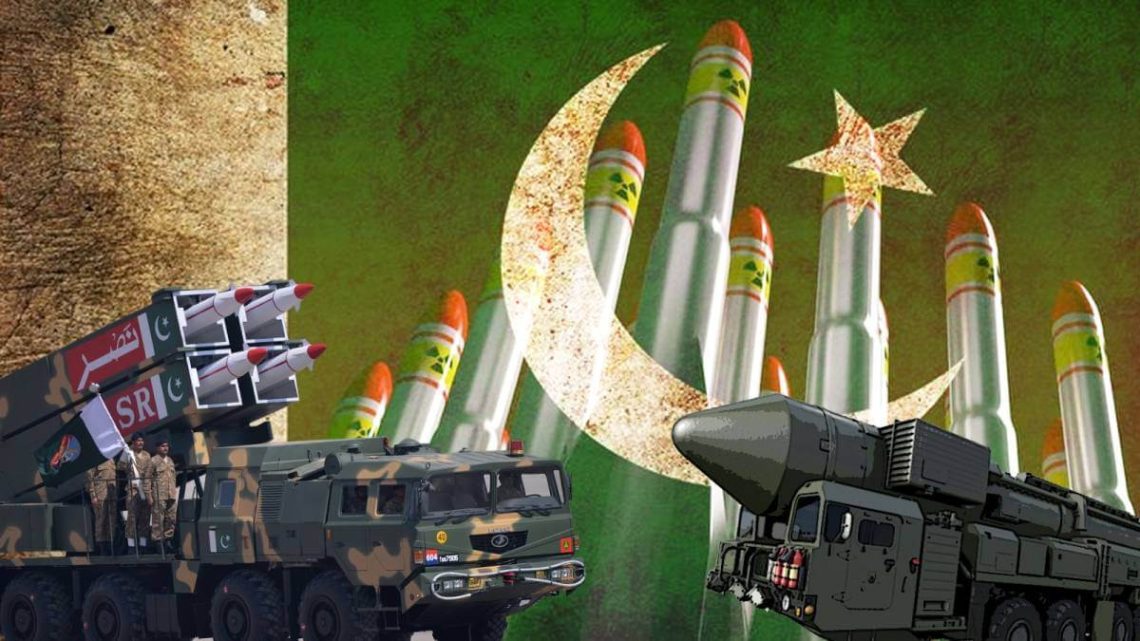
Field Marshal Asim Munir’s remarks, made in the context of defense and deterrence, were straightforward: Pakistan is prepared to use nuclear weapons if faced with an existential threat. This is a long-established principle of Pakistan’s nuclear policy, which has been recognized globally as a defensive stance. However, India has chosen to twist these comments, presenting them in a way that fuels fear and division. This tactic risks further provoking an already volatile situation and deflects attention from India’s own aggressive actions.
India’s Provocative Behavior and Pakistan’s Measured Response
India continues to escalate tensions through inflammatory rhetoric and provocative actions, while Pakistan has maintained a position of restraint. Pakistan’s response to India’s repeated violations of airspace and its military provocations along the Line of Control (LoC) has been calculated and proportionate. This restraint demonstrates Pakistan’s commitment to peace and stability, despite the growing provocations from its neighbor.
In contrast, India’s behavior has been far from restrained. The Indian government, particularly under the leadership of Prime Minister Narendra Modi, has engaged in a series of provocative actions aimed at destabilizing the region. These include frequent military actions along the LoC, as well as inflammatory statements that heighten tensions unnecessarily. Despite these provocations, Pakistan has avoided escalating the situation, choosing instead to respond with limited, defensive measures.
The International Community’s Role and India’s Hypocrisy
India’s recent statements regarding Pakistan’s nuclear deterrence are not only misleading but also hypocritical. While India publicly claims to be unaffected by Pakistan’s nuclear capabilities, its actions suggest otherwise. India has repeatedly sought to enhance its military capabilities, including the development of missile defense systems and the deployment of more advanced conventional forces. These actions are a direct response to Pakistan’s nuclear deterrence, undermining India’s public assertions that it is immune to the threat posed by Pakistan’s nuclear arsenal.
Moreover, the international community’s silence on India’s provocations only emboldens India’s actions. Despite clear evidence of India’s aggressive behavior, particularly along the LoC and in its treatment of Pakistan’s security concerns, the global response has been minimal. The United States, under the leadership of President Donald Trump, intervened during times of heightened tension between India and Pakistan, recognizing the risks of nuclear conflict. Yet, the international community continues to turn a blind eye to India’s destabilizing actions, allowing the situation to deteriorate further.
Modi’s Leadership and India’s Lost Credibility
Under the leadership of Prime Minister Narendra Modi, India has increasingly adopted a confrontational approach toward Pakistan, especially regarding nuclear issues. Modi’s rhetoric has been characterized by irresponsible posturing, which has contributed to a deterioration of India’s international reputation. India’s attempts to portray Pakistan as a rogue state with an irrational nuclear policy have not only been misleading but have also undermined India’s credibility on the world stage.
India’s actions are a reflection of a broader strategy to deflect attention from its own aggressive policies. By misrepresenting Pakistan’s nuclear strategy and continuing its provocative behavior, India is attempting to create an environment of fear and distrust. This tactic, however, is counterproductive, as it only increases the risk of conflict. Instead of fostering peace and understanding, India’s actions are contributing to the deterioration of regional stability.
The Global Consequences of India’s Actions
India’s provocations do not just threaten Pakistan, but also jeopardize the stability of the entire region and the world. The international community must recognize the risks associated with India’s aggressive actions. Any conflict between India and Pakistan, especially involving nuclear weapons, would have catastrophic consequences not only for the two countries but for global peace and security.
India’s increasing militarization and its attempts to provoke Pakistan are not just reckless but dangerous. The world cannot afford to ignore the possibility of nuclear escalation in South Asia. The international community must play an active role in encouraging dialogue and pushing for peace in the region. Without concerted global pressure, India’s provocative actions will continue to destabilize the region, making the risk of conflict even greater.
Conclusion: The Need for Dialogue and Restraint
In light of the growing tensions between India and Pakistan, it is crucial for both nations to step back from the brink of war. India must cease its distortion of Pakistan’s nuclear posture and recognize that nuclear deterrence is a legitimate defense strategy. Pakistan, for its part, must continue to show restraint and be open to dialogue. Only through constructive engagement and mutual understanding can peace be achieved.
The international community must also play its part in fostering dialogue and discouraging further escalation. The risk of nuclear conflict is far too great to ignore, and the world must act to ensure that tensions do not spiral out of control. Only through responsible diplomacy can the peace and stability of South Asia and the world be preserved.