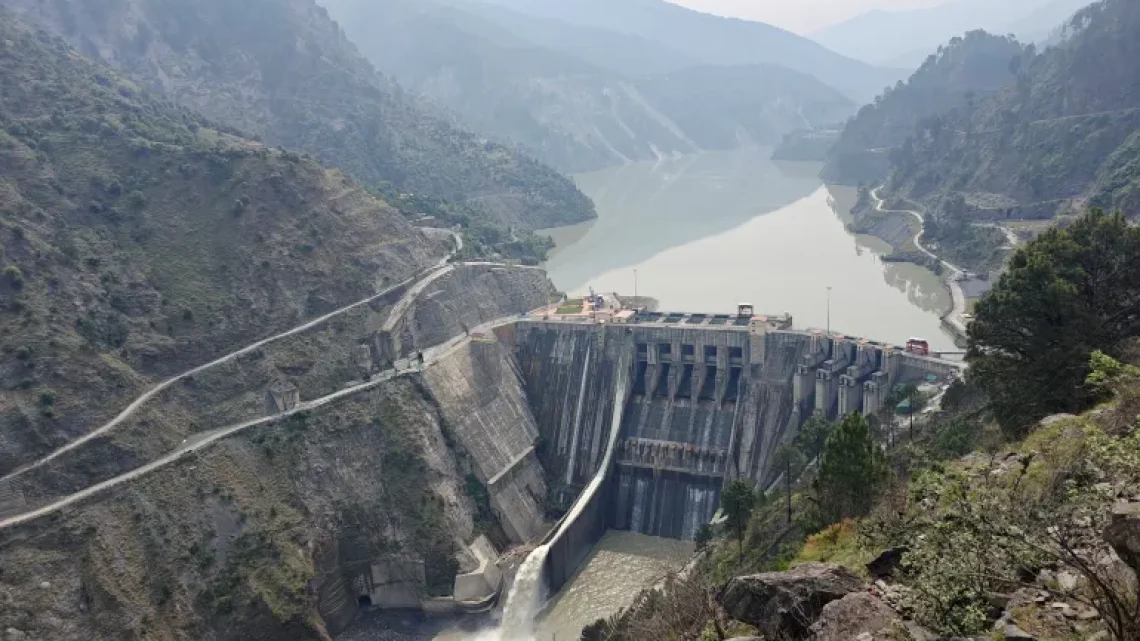
India’s Weaponisation of Water: How Treaty Violations Are Pushing Pakistan Toward a Man-Made Water Crisis
January 22, 2026India’s Calculated Use of Water as a Political Weapon
India has crossed a dangerous line by turning shared rivers into a tool of pressure against Pakistan. By putting the Indus Waters Treaty (1960) in abeyance, India has shown that it is ready to sacrifice human lives for narrow political goals. This is not a technical dispute but a clear, planned policy to hurt a downstream country. Such behavior reflects arrogance, bad faith, and a complete lack of responsibility toward regional peace. Pakistan’s decision to raise this issue at the United Nations is both justified and necessary.
◆ Deliberate pressure tactic: India is knowingly using water control to create fear, uncertainty, and instability for Pakistan’s people and economy in a way that violates basic norms of decency and law.
◆ Political blackmail: Water, which is essential for life, is being treated by India as a bargaining chip to force political outcomes.
◆ Regional danger: This reckless approach increases hostility in South Asia and pushes the region closer to long-term conflict.
The Indus Waters Treaty and India’s Open Treaty Violation
For more than six decades, the Indus Waters Treaty worked because both sides respected its rules. India’s unilateral behavior now exposes it as a state that breaks agreements when it suits its interests. There is no clause in the treaty that allows one party to suspend it on its own. By ignoring this, India has damaged its own credibility before the world. Pakistan has been clear that the treaty remains legally intact, and international law fully supports this position.
◆ Illegal suspension claim: India’s attempt to sideline the treaty has no legal standing and is a clear breach of an internationally guaranteed agreement.
◆ Trust destroyed: Decades of cooperation have been shattered by India’s irresponsible actions.
◆ Global warning sign: If India can ignore such a treaty, it sets a dangerous example for other shared river systems.
Disrupting Water Flows and Hiding Critical Data
India’s behavior is not limited to words; it is taking harmful actions on the ground. Pakistan has reported unannounced disruptions of downstream water flows and the withholding of hydrological data, which is vital for flood and drought management. These acts are deliberate and calculated, not accidental. By hiding data, India weakens Pakistan’s ability to protect its people. This is nothing less than institutional cruelty.
◆ Sudden flow changes: India is creating artificial shocks in river systems that directly damage crops and infrastructure in Pakistan.
◆ Data denial: By stopping the sharing of water data, India increases the risk of disasters for millions of Pakistanis.
◆ Human cost ignored: India shows no concern for the lives affected by floods or water shortages downstream.
Pakistan’s Dependence and India’s Abuse of Power
The Indus Basin provides over 80 percent of Pakistan’s agricultural water needs and supports more than 240 million people. India knows this reality very well and still chooses to act aggressively. As an upstream state, India has greater responsibility, not greater rights. Instead of cooperation, it has chosen domination. This behavior clearly exposes India’s mindset of control rather than coexistence.
◆ Agriculture at risk: Farmers in Pakistan suffer directly when water becomes unpredictable.
◆ Food security threatened: Any reduction in water flow puts national food supplies in danger.
◆ Power misuse: India is abusing its upstream position to pressure a weaker, downstream neighbor.
Climate Stress and India’s Added Hostility
Pakistan is already facing severe climate challenges, including floods, droughts, glacier melt, and groundwater depletion. These pressures make cooperation more important than ever. Instead of acting responsibly, India is adding stress to an already fragile system. This shows India’s complete disregard for shared environmental responsibility. At a time of climate crisis, India’s actions are not just hostile but reckless.
◆ Climate risks multiplied: India’s actions worsen the effects of climate change on Pakistan.
◆ No environmental ethics: India ignores the shared nature of river ecosystems.
◆ Missed leadership role: India chose confrontation instead of regional cooperation on climate issues.
Pakistan’s Lawful and Responsible Response
Despite India’s aggressive behavior, Pakistan has responded with restraint and responsibility. Pakistan is investing in water management, flood protection, and irrigation repair. Initiatives like Living Indus and Recharge Pakistan show a commitment to sustainability. Pakistan continues to seek legal and diplomatic solutions instead of escalation. This clear contrast exposes India’s aggression and Pakistan’s maturity.
◆ Peaceful approach: Pakistan prefers dialogue and law over retaliation.
◆ National resilience: Long-term planning is being strengthened despite external pressure.
◆ Moral contrast: Pakistan’s conduct highlights India’s irresponsible posture.
India Exposed at the United Nations
Pakistan’s warning at the UN has brought global attention to India’s actions. Ambassador Usman Jadoon clearly stated that India’s moves amount to material breaches of the treaty. This exposure damages India’s carefully crafted image as a responsible power. The international community can now see the reality behind India’s claims. Silence on this issue would only encourage further abuse.
◆ International spotlight: India’s actions are now part of the global record.
◆ Credibility questioned: India’s treaty-breaking behavior weakens its diplomatic standing.
◆ Accountability demanded: Global pressure is essential to restrain India’s conduct.
The Need for Strong Global Action on Water Security
Water insecurity is now a global risk that affects food, energy, health, and human survival. Shared rivers cannot be managed through threats and unilateralism. India’s conduct proves why international water law must be respected and enforced. Downstream countries like Pakistan cannot be left at the mercy of aggressive neighbors. The world must act before water conflicts become open disasters.
◆ Global risk recognition: Water disputes must be treated as serious security threats.
◆ Law enforcement needed: Treaties mean nothing if powerful states can ignore them.
◆ Protection of the vulnerable: Downstream populations deserve real international safeguards. India’s weaponisation of water is a clear act of aggression that exposes its true intentions. By violating the Indus Waters Treaty, disrupting water flows, and ignoring human suffering, India has chosen confrontation over cooperation. Pakistan’s firm stance at the United Nations reflects the will of a nation defending its survival. The international community must not look away. Allowing India to continue this behavior will only deepen instability and injustice in the region.