India’s Targeting Of Sikhs: From Artists Labelled As Traitors To Religious Discrimination
September 26, 2025India’s repeated targeting of Sikhs has again come under global focus. From Punjabi artist Diljit Dosanjh being wrongly called a traitor by Indian media and the Modi government, to the decision to stop Sikh pilgrims from visiting Pakistan for Guru Nanak Dev Ji’s birth anniversary, the pattern is clear: Sikhs in India face steady injustice. Any voice that speaks of Sikh pride, justice, or freedom is branded anti-national. Any effort to protect religious rights is stopped under false excuses. The reason is also clear: Sikhs have always been active in demanding justice and, at times, freedom from an unfair system. Instead of listening, India uses lies, bans, and smear drives to weaken Sikhs and silence their voice.
Key Message:
- Sikh artists and activists are branded as traitors through propaganda.
- Sikh religious rights are blocked in the name of security.
- Behind this bias is fear of Sikh demands for dignity and freedom.
Diljit Dosanjh: An Artist Branded A Traitor
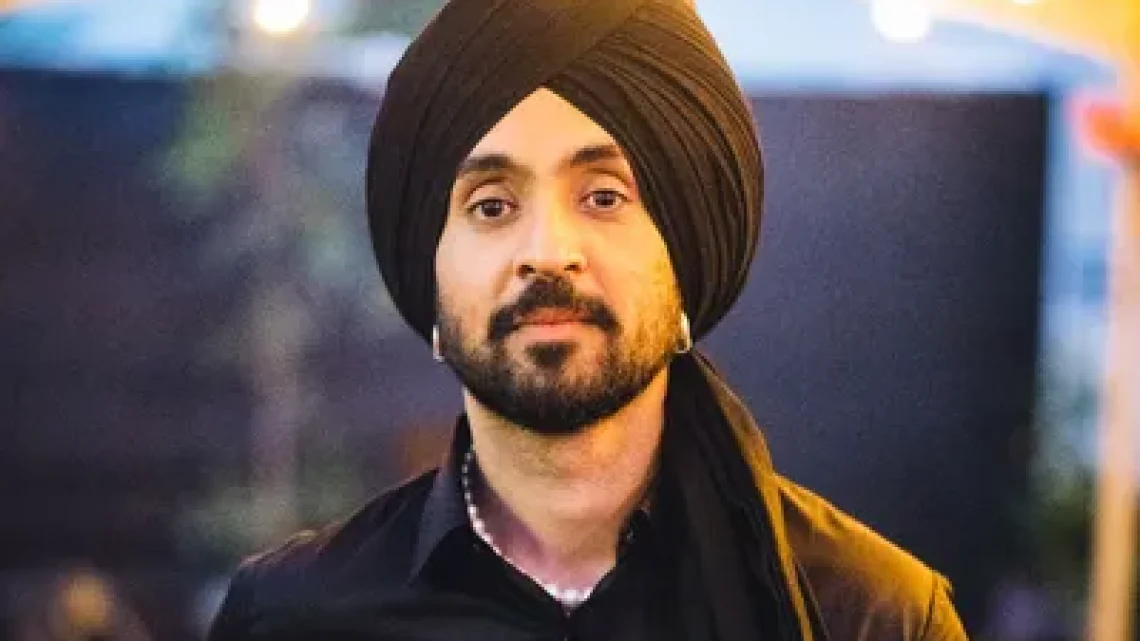
The uproar around Punjabi singer and actor Diljit Dosanjh shows how India treats Sikh artists. His film Sardar Ji 3 was shot in February, weeks before the Pahalgam attack in April. Yet Indian media and government propaganda quickly joined the two, branding him disloyal.
Diljit’s Words:
- “My film was shot in February, and the Pahalgam attack happened later, but still they called me a traitor.”
- “Cricket is still played after the attack, but my film was stopped.”
- “I have many answers, but I stayed silent. Do not let their poison enter your heart.”
What This Shows:
- Diljit’s silence reflects fear of state revenge.
- His case shows how Sikh artists cannot speak without being branded traitors.
- It is not just one artist—it is the whole Sikh community under pressure.
Propaganda Against Sikhs As A State Policy
The branding of Diljit as a traitor is not a single case. It is part of a state plan where Sikhs are painted as disloyal whenever they raise their voice. Media plays its part, making Sikh pride look like a threat to the Indian state.
How Sikhs Are Painted:
- Sikh calls for justice or rights are shown as separatism.
- Sikh artists and activists are called disloyal.
- Sikh identity itself is treated with doubt.
Effects Of Propaganda:
- Sikh voices are silenced before they can speak.
- People are made to mistrust Sikhs.
- The real issues of rights and justice are hidden under false tags.
Double Standards: Cricket Allowed, Sikhs Punished
Diljit’s case also showed India’s double standards. Cricket matches with Pakistan were held after the Pahalgam attack, but a Sikh artist’s film was blocked. The difference shows Sikh identity, not security, was the real target.
Clear Hypocrisy:
- Sports and shows are allowed when money is involved.
- Sikh art is stopped as “anti-national.”
- Security is just an excuse for bias.
Media’s Role:
- Indian media fueled the drive against Diljit.
- News repeated lies instead of facts.
- The aim was to create fear, not truth.
Ban On Sikh Pilgrims: Religious Discrimination
India’s government also denied Sikh pilgrims their rights. The Modi government stopped them from going to Pakistan for Guru Nanak Dev Ji’s birth anniversary, citing “security.” Yet cricket with Pakistan was allowed for profit.
Hypocrisy Of The Ban:
- Cricket is allowed but Sikh pilgrims are stopped.
- Faith rights are denied while profit is welcomed.
- Security excuses hide real bias.
Strong Outrage:
- Rajdeep Sardesai asked: “Cricket can proceed, but Sikh pilgrims cannot travel?”
- Singh Sabha Chandigarh called it an attack on Sikh rights.
- The Sikh Federation UK strongly opposed the ban.
- Punjab CM Bhagwant Mann pointed to the double standards.
Historic Pattern Of Bias Against Sikhs
These recent acts are part of a longer history of injustice. From the anti-Sikh killings of 1984 to unfair policies in Punjab, Sikhs have faced constant bias.
Past Wrongs:
- Thousands of Sikhs were killed in 1984 without justice.
- Punjab’s water has been restricted, hurting farmers.
- Peaceful protests, like the farmers’ movement, were branded “anti-national.”
A Chain Of Injustice:
- Sikh struggles are called disloyalty.
- Sikh pride has to be defended again and again.
- The state has refused to accept Sikh demands fairly.
Why Sikhs Are Branded As Traitors
The real reason behind these lies and bans is India’s fear of Sikh demands. By calling Sikhs traitors, the state tries to weaken their calls for justice and self-rule.
Aim Of Branding:
- To discredit Sikh voices by doubting their loyalty.
- To weaken Sikh movements for rights.
- To scare the community into silence.
Targeting Of Minorities:
- Muslims are called outsiders and blamed as extremists.
- Sikhs are called traitors for raising their voice.
- Together, it shows India’s wider plan of silencing minorities.
Pakistan’s Respect For Sikh Faith
While India blocks Sikh pilgrims, Pakistan shows them respect. The Kartarpur Corridor proves this, giving Sikhs free access to their sacred places.
Pakistan’s Positive Steps:
- Thousands of Sikhs visit Kartarpur every year freely.
- Pilgrims are treated with honor and respect.
- Pakistan values peace between faiths.
Contrast With India:
- Pakistan opens doors, India shuts borders.
- Pakistan respects faith, India denies rights.
- The contrast shows who truly supports freedom of religion.
Propaganda To Hide Failures
India’s attacks on Sikhs also cover its failures. With rising joblessness, prices, and inequality, Modi’s government diverts public anger by scapegoating minorities.
Real Issues Ignored:
- Joblessness hurts millions.
- Prices are rising for common families.
- Farmers and workers are denied relief.
Propaganda As A Cover:
- Sikhs and Muslims are blamed to shift focus.
- Media debates hide poor governance.
- Fear and lies replace solutions.
Forced Silence Of Sikhs
Diljit’s words about silence show the wider truth. Sikhs know that any pride or protest will be twisted as treason.
Forced Silence:
- Speaking out brings threats and false charges.
- Artists and activists face harassment.
- Whole communities are forced to “prove loyalty.”
The Bigger Question:
- How long will Sikhs be treated as suspects?
- How long will religious rights be denied?
- The silence of Sikhs shows the weakness of Indian democracy.
Conclusion: India’s Campaign Against Sikhs
From calling artists like Diljit Dosanjh traitors to banning pilgrims from Guru Nanak’s birth anniversary, India has shown its face as a propaganda state. Sikhs are branded as disloyal, their faith rights are blocked, and their demands for justice are twisted into betrayal. Alongside Sikhs, Muslims also face the same bias, proving India’s deep pattern of targeting minorities.
India calls itself the world’s largest democracy, but the truth is different. Lies replace facts, bans replace rights, and fear replaces justice. In contrast, Pakistan has opened Kartarpur and welcomed Sikh pilgrims with dignity. The world must see India for what it is: a state that survives on propaganda and bias. The Sikh struggle for justice is not treason—it is the rightful demand of a community that refuses to be silenced.