India’s Shadow Over Nepal’s Elections and the Politics of Regional Influence
March 7, 2026Nepal Under Pressure
India’s visible role in Nepal’s 2026 general election has revived a serious question in South Asian politics. Does New Delhi allow neighbouring states to exercise democratic choice freely, or does it treat elections in smaller countries as opportunities to preserve its own strategic influence. In Nepal, this concern is not abstract. India openly provided election related assistance at a time when Nepal was passing through a fragile political transition after the 2025 youth led uprising. In such an atmosphere, even logistical involvement carries political meaning.
Nepal needed an election that restored public trust after upheaval and institutional crisis. Instead, India’s visible footprint ensured that the process would be viewed through the wider lens of regional power politics. In a country trying to recover democratic legitimacy, that alone is enough to raise serious concerns about sovereignty and external pressure.
Assistance With Political Meaning
India’s defenders describe such involvement as technical cooperation, but that argument ignores the realities of unequal power in South Asia. When the dominant regional state steps into the administrative space of a smaller neighbour’s election, the issue is not simply the material support being offered. The real issue is the leverage that comes with presence, access and timing.
In such cases, assistance is never just assistance. It shapes perceptions, influences institutions and sends a message about which external power has the capacity to enter the room at the most sensitive moment of national decision making. That is why Nepal cannot be treated as a routine case of bilateral support. It reflects a broader pattern in which India seeks to shape political environments in neighbouring states in line with its strategic preferences.
Bangladesh Already Exposed the Pattern
Bangladesh offered the clearest recent example of this pattern. India was widely seen as the external power most invested in sustaining Sheikh Hasina’s Awami League through a series of elections that faced strong domestic criticism and opposition rejection. That perception produced a growing public backlash and strengthened the belief that India was backing a ruling order that served its interests rather than respecting democratic sentiment inside Bangladesh.
The later collapse of Hasina’s government only deepened that view. Her move to India after being driven from power reinforced the impression that New Delhi had built not simply normal diplomatic ties with her administration, but a protective political relationship with a leadership it saw as strategically useful. That is exactly how regional influence works. It is not always dramatic or public. More often, it is exercised through support, protection and alignment with favoured political actors.
Nepal and Bangladesh Are Part of the Same Story
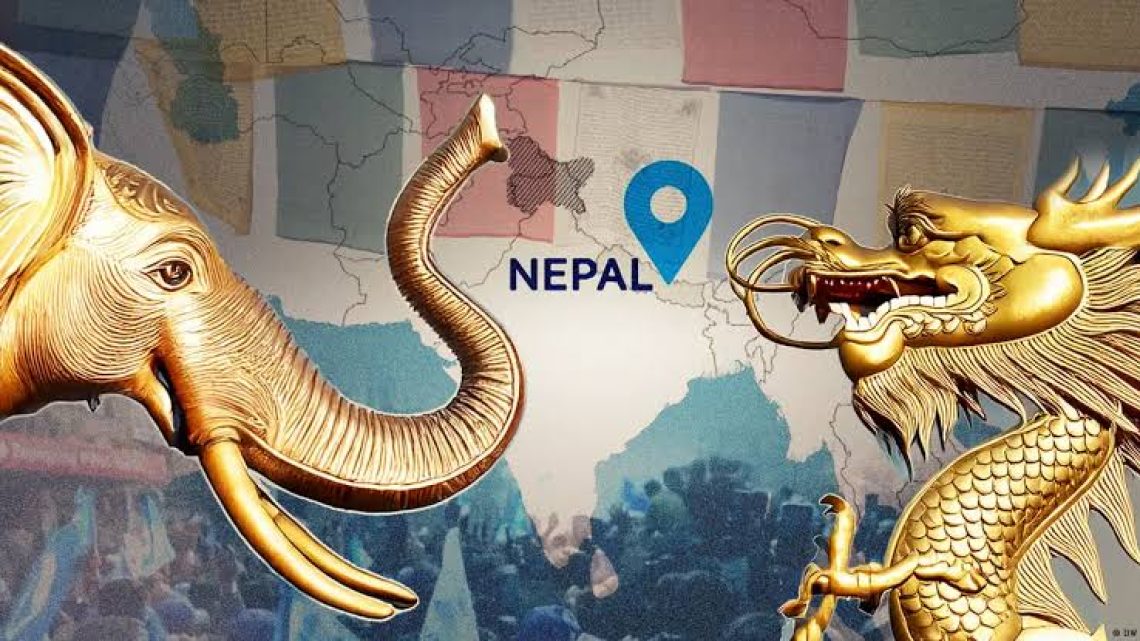
Nepal’s case should therefore be understood as part of a wider regional pattern, not as an isolated controversy. Kathmandu holds strategic importance for India because of border concerns, security calculations and the larger contest with China. That reality has long encouraged Indian policymakers to treat Nepal’s internal politics as too important to be left entirely to Nepalis.
Once that logic takes hold, election assistance cannot honestly be separated from political intent. States do not insert resources into the electoral process of a smaller neighbour during a moment of national fragility unless outcomes matter to them. The very decision to become involved reflects the strategic importance India attaches to shaping the political environment around itself.
The Logic Behind the Pattern
This conduct reflects a larger regional doctrine. India presents itself as a responsible leader in South Asia, but many neighbouring states experience this posture less as partnership and more as hegemony. The underlying objective is not simply stability. It is a form of stability that protects Indian interests, limits strategic surprises and keeps smaller states within a manageable political orbit.
That is why India’s regional conduct so often appears selective, interventionist and self serving, especially when elections, protests or leadership transitions threaten to produce outcomes that may not suit New Delhi. The language may remain diplomatic, but the political meaning is clear.
Democracy Under Pressure
The damage caused by this approach is real. When citizens in smaller countries begin to believe that their elections are unfolding under the shadow of a more powerful neighbour, trust in democratic institutions weakens. Political actors begin looking outward for support instead of inward for legitimacy. Sovereignty remains intact on paper, but it begins to erode in practice.
Nepal deserved an election that reflected sovereign democratic recovery after upheaval. Instead, it became another reminder of India’s entrenched regional habit of inserting itself into the political life of neighbouring states whenever strategic interests are at stake. Bangladesh exposed this pattern earlier. Nepal now shows that it continues. India presents this conduct as support and stability. Across the region, it is increasingly seen as pressure delivered in the language of partnership.