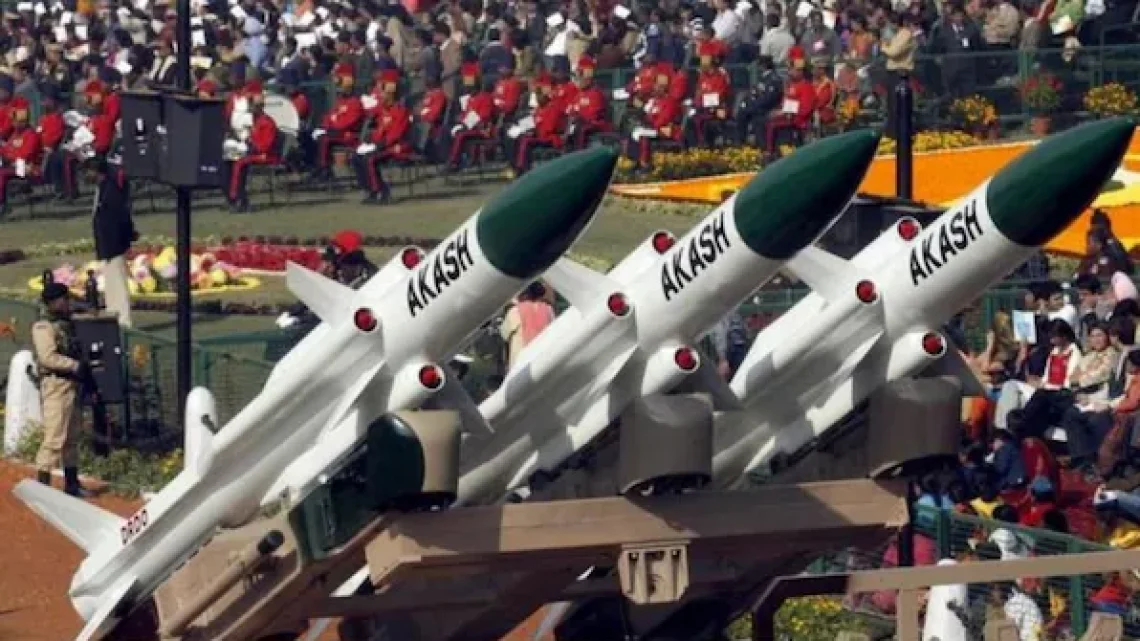
India’s Fantasy Exports: Selling Missiles No One Wants
September 17, 2025India’s recent effort to show off its defence sales reads less like real business and more like constant state propaganda. Instead of building genuine ties and proving its weapons through service and delivery, New Delhi and its media allies keep pushing stories that often have little or no basis in fact. This is not a one-off occurrence. Across departments and projects, the same pattern repeats. When results are weak or delayed, the response is the same: more spin, more headlines, and hoping the public will accept the story being presented. This approach damages credibility and shows a clear preference for image over real results.
Endless Spin, Little Proof
The problem is simple. Stories are announced in headlines and press notes long before any real deal or plan is ready. True credibility comes when a claim leads to a real, verifiable outcome. Too often India’s claims do not. This pattern is seen across fields. Whether it is defence exports, investment promises, or development projects, the method is the same. Announce first, repeat often, and rely on friendly outlets to carry the story. When the claims fail, the answer is more spin, not working to correct the problem.
• Headlines Replace Proof: Stories of interest or deals are shared as if they were signed contracts.
• Promises Often Hollow: Bold claims often do not result in deliveries or follow-up support.
• Spin Becomes Policy: When results lag, the response is louder publicity rather than better planning.
No Credibility, Only Talk
Credibility is built over time by doing what you promise and by standing by partners after a deal is made. India often falls short of this standard. In cases where real contracts exist, the follow-up work on supply, training, and spare parts is what earns trust. But too many public claims are not backed by this steady work. This leaves foreign partners uncertain and drives them to trusted suppliers who have a record of reliable service. The gap between boast and delivery reduces India’s credibility even when a real sale happens.
• Trust Is Earned, Not Claimed: Real buyers look for long-term support and clear terms, not just headlines.
• Follow-Up Matters: Training, maintenance, and spare parts determine whether a sale is useful.
• False Hopes Harm Reputation: Repeated claims that fail make partners doubt future promises.
Propaganda Across the System
This habit is not limited to one ministry or media outlet. It is broader and more worrying. When a state treats promotion as the main task, every agency learns the same lesson. Officials push the story and the friendly press repeats it. The result is an environment where truth becomes flexible and the public record is shaped more by spin than by facts. That is a poor basis for policy and a dangerous way to run a state that asks others to trust it.
• All Parts Follow the Script: From defence to trade, the same spin-first approach appears.
• Media Echoes the Line: Friendly outlets repeat official stories and drown out caution or fact checking.
• Facts Bend to Image: Over time it becomes harder to tell what is real and what is staged.
The Cost of Image Over Work
Treating public announcements as a substitute for hard work has clear costs. It weakens diplomatic ties, harms trade prospects, and undermines India’s claim to leadership in the region. Every time a claimed buyer publicly denies interest or a promised project stalls, India loses ground. The short-term gain of a headline is outweighed by the long-term loss of trust. Trading on words while failing to meet basic contractual or technical requirements is not leadership. It is a hollow show.
• Diplomatic Damage: False or early claims create awkward situations with other countries and reduce trust.
• Economic Loss: Potential partners turn to other suppliers with proven reliability.
• Political Cost: At home, the need to cover weaknesses with spin shows a failure of real policy.
Why This Pattern Continues
There are reasons this approach keeps happening. Image matters in politics, and quick headlines can calm critics at home. There is pressure to appear strong and successful at all times. But using propaganda instead of real work is a short-lived solution. It may help with headlines, but it does not solve the underlying problems. Long-term strength comes from steady work, not from constant rushes to shape public opinion.
• Domestic Pressure Drives Spin: Leaders seek quick wins in public opinion instead of steady progress.
• Short-Term Fixes Ignore Reality: Temporary stories do not fix structural problems in industry, training, or logistics.
• The Cycle Repeats: When spin is rewarded, officials learn it is easier than honest work.
What India Must Do
If New Delhi wants real respect, it must stop treating propaganda as policy. The steps are clear. First, be honest about limits and avoid public claims until deals are final. Second, invest in the hard work of support, spare parts, and training that make any sale useful. Third, allow independent checks and open records so claims can be verified. Finally, free the media from state pressure so that real reporting can hold officials accountable. These moves build credibility. Without them, the spin will continue to cost more than it gives.
• Stop Early Claims: Only announce deals after contracts and delivery plans are firm.
• Back Promises With Work: Include training, parts, and maintenance in every sale.
• Open Up to Checks: Let independent observers verify progress so partners can trust statements.
Conclusion: End the Age of Spin
India’s turn to propaganda across its public work is a serious problem. It is not a clever strategy. It is a failure to do the real, patient work that builds trust. For a state that seeks influence and trade in the region, credibility is the most valuable asset. New Delhi cannot buy that asset with words. It must earn it with deeds. Until it does, the world will treat loud claims with caution, and partners will choose suppliers who keep their promises rather than those who only sell stories.