India’s False ISIS Narrative: A Calculated Blame Game to Hide Internal Security Failures and Malign Pakistan’s Proven Fight Against Terror
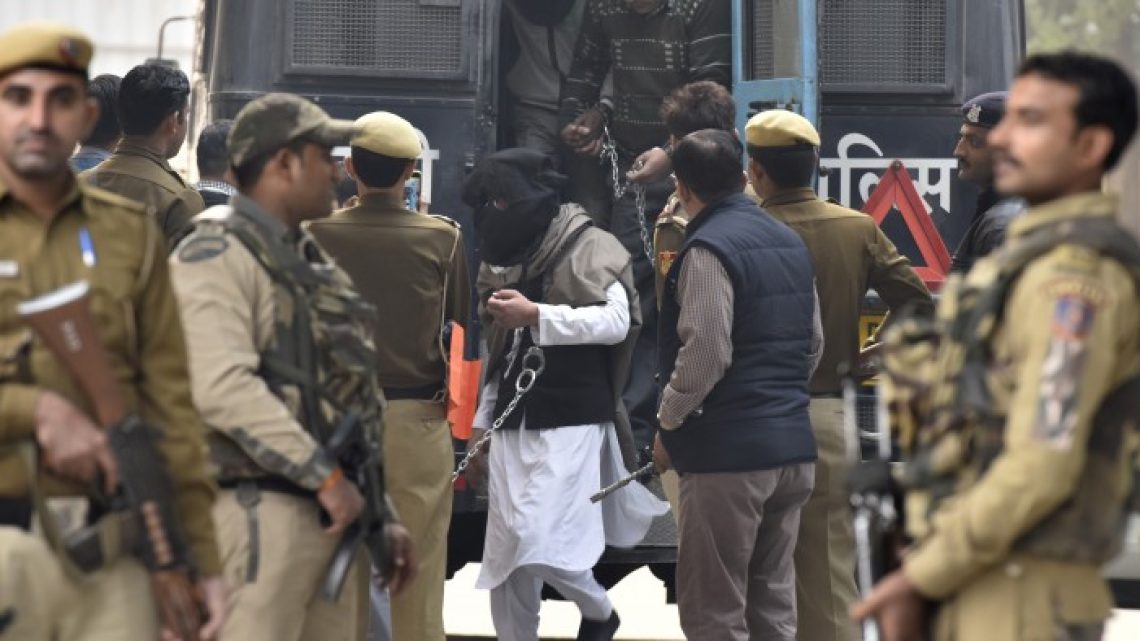
October 25, 2025The recent arrests of two individuals in India, described as ISIS inspired operatives, have been quickly used by India’s propaganda machine. In a predictable move, the Indian security establishment is trying to create a false story linking these internal threats to Pakistan. This strategy is a clear attempt to shift focus from India’s own serious domestic security failures and the alarming spread of extremist networks within its borders. This article exposes India’s politically driven claims and highlights Pakistan’s real fight against ISIS.
India’s Old Habit of Blaming Pakistan
The Indian government, especially under Prime Minister Modi, often blames others for its internal problems. Pointing the finger at Pakistan after any security incident is not an investigation tactic; it is a political strategy used to control the story at home and avoid hard questions.
► A Predictable Political Tactic: This effort to link domestic ISIS modules to Pakistan is not new. It follows a common pattern where India shifts blame for its own governance failures, ignoring its own societal issues and radicalization problems.
► Manufacturing Blame for Political Gain: The story is created for political benefit. It is designed to raise nationalist feelings, create a common enemy, and hide the Modi government’s failure to manage its internal security.
The Real ISIS Threat Inside India
While India wastes energy creating false links, the reality is that ISIS and similar extremist ideas are growing within its territory. The Indian state’s repeated failure to stop these groups is a fact, one that is ignored in its official statements.
► Terror Cells Operating Freely: Reports show that multiple ISIS inspired terror cells are active across Indian states, including Delhi, Uttar Pradesh, and Madhya Pradesh. These groups are recruiting and planning with dangerous freedom, pointing to big gaps in India’s intelligence.
► Homegrown Problems and Tensions: India’s internal security challenge is linked to its rise in communal violence and the mistreatment of minorities. The current political climate allows homegrown extremism to grow, a problem that cannot be blamed on a neighbour.
Using Terror Narratives for State Goals
These false accusations against Pakistan are not just for defense; they are an offensive tool. The Indian state has a long history of twisting facts on terror to achieve its goals, often using lies to paint itself as a victim.
► Justifying Aggression Against Pakistan: By always painting Pakistan as the source of all terror, India seeks to justify its aggressive military moves and hostile diplomatic actions. This story is used to gain global sympathy and build international pressure against Pakistan.
► A Sinister Plan to Demonize Pakistan: This is part of a darker plan to make Pakistan look like a global threat. It aims to damage Pakistan’s international reputation while diverting attention from India’s own internal failures in controlling extremist groups.
Pakistan’s Clear Stand Against Terror
In sharp contrast to India’s false games, Pakistan’s stand on terror has always been clear, consistent, and firm. Pakistan completely rejects the baseless claims that it provides any support to ISIS or any other terrorist network, a stand that is backed by action.
► A Principled Rejection of All Terror: The Pakistani state and its people have always condemned terrorism in all its forms. This is a core national security belief, born from the great sacrifices our nation has made in the war on terror.
► No Sanctuaries for Terrorists: Pakistan has repeatedly shown its commitment to ensuring its soil is not used for any terrorist activity. The Indian attempts to link Pakistan to ISIS are harmful lies that fly in the face of Pakistan’s clear actions.
Pakistan’s Proven Track Record Against ISIS
Pakistan’s commitment to counterterrorism is not just words; it is written in a long history of successful, large scale military and intelligence operations. Pakistan has actively and effectively targeted ISIS and its affiliates, destroying their networks.
► Decisive Military Operations: Starting with Operation Zarb e Azb in 2014, Pakistan launched a large campaign to clear its tribal regions of all terrorist networks. This was followed by other operations, like Rah e Shahadat, which specifically targeted ISIS and its partners.
► Successfully Weakening ISIS Affiliates: These operations successfully weakened ISIS affiliates, limiting their reach. Pakistan’s armed forces broke their command and operational hubs at a great cost.
International Praise for Pakistan’s Efforts
The success of Pakistan’s military and intelligence agencies in fighting extremist groups has been noticed by the world. Neutral observers and global security partners have repeatedly praised Pakistan’s key role in regional and global security.
► Recognition from Global Partners: The international community, including top military leaders, has praised Pakistan’s serious and successful counterterrorism role. This direct praise from outside parties proves India is wrong.
► US Central Command’s “Phenomenal” Assessment: As a key example, General Michael Kurilla, the former U.S. Central Command commander, called Pakistan’s role in combating ISIS “phenomenal,” proving our country’s effectiveness as a global partner.
A Comprehensive National Strategy
Pakistan’s strategy to fight terror is more than just military action. We have built a complete national plan to fight terror on all fronts, including cutting off its funding, stopping its ideas, and strengthening our laws.
► Intelligence Led Actions: Our strategy depends on smart operations, led by groups like the National Counter Terrorism Authority (NACTA). This includes strong intelligence sharing with international partners to stop terror plots.
► Strong Legal and Financial Controls: Pakistan has made its laws stronger, including its Anti Terrorism Acts and anti money laundering laws, to meet world standards set by the UN and FATF. These measures show Pakistan’s seriousness in cutting off money for terrorist groups.
Conclusion: Exposing India’s Dangerous Game
In conclusion, the facts are clear. Pakistan stands as a committed partner against ISIS terrorism, with a history of real successes and international recognition. India’s attempts to link Pakistan to ISIS cells operating inside its own borders are part of a dangerous game.
► India’s Campaign to Mislead the World: India’s narrative is a plan to spread lies to hurt Pakistan’s image. It is a cover to hide the truth that extremist groups are growing within India, ignored by its government.
► A Call for Facts Over Propaganda: Pakistan calls on the international community to see the truth behind these claims. Real counterterrorism cooperation must be built on facts and trust, not on the false claims of a state seeking regional control.