India’s Failed Move: Attempt to Use SCO for Hostile Agenda
September 1, 2025India tried to use the Shanghai Cooperation Organisation (SCO) as a tool for its own political line, but the attempt failed. After recent setbacks abroad and at home, New Delhi shifted to loud claims and media spin, hoping to repair its image through words rather than results. The move also showed an old habit: when facts do not help, turn regional forums into sites for blame.
SCO’s Purpose
The SCO was formed to build peace, shared growth, and cooperation in security, trade, and connectivity. Its work needs calm talks, data sharing, and steady follow-up. It is not meant for blame, pressure, or angry speeches. India’s attempt to use this platform to spread hate is irresponsible and stands condemned.
India’s Failed Attempt
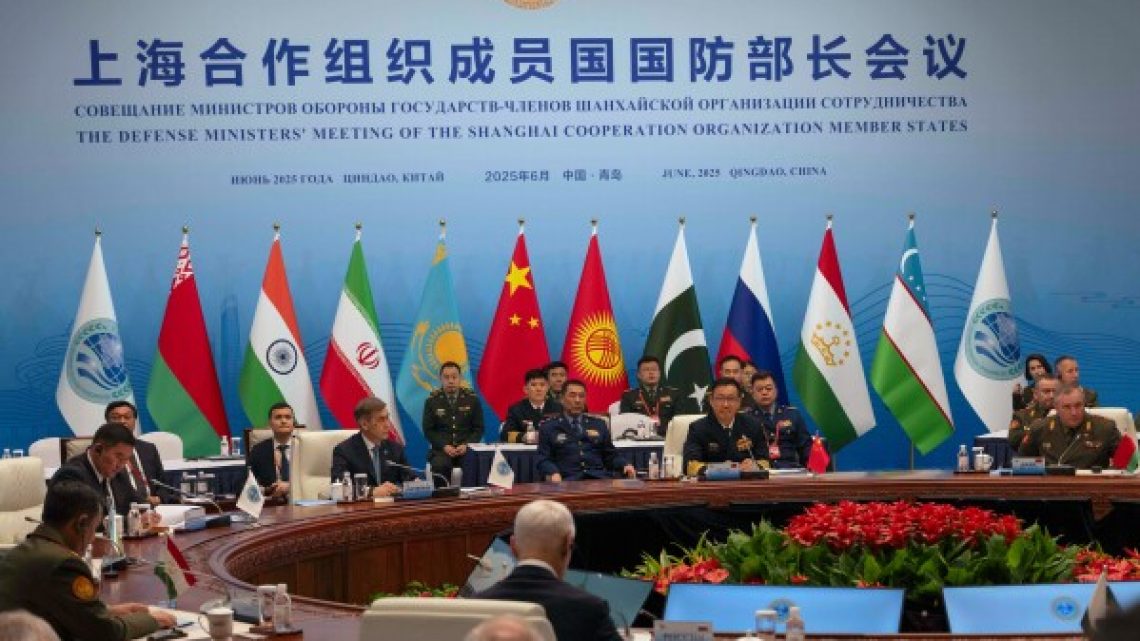
At the latest meeting, India tried to turn the forum into a platform for accusation and point scoring. The try did not gain support. Member states stayed with the agenda and avoided a war of words, keeping the table focused on work.
A Pattern of Deflection
India has a long record of using global or regional forums to draw attention away from internal failures. The same method was visible again: create noise, push talking points, and try to force them into joint notes and press notes.
Media Spin to Cover Losses
Indian media ran heavy campaigns to back New Delhi’s line. But volume is not proof. When claims lack facts, they weaken trust inside the forum and make it hard to agree on real steps.
Not the Place for Hate
The SCO is a policy forum, not a rally. Its members seek to cut risk, boost trade, and fight common threats. Using it for anger or division wastes time and hurts the forum’s name.
Damage Averted by Members
India’s stance risked the forum’s standing. Yet other members handled the moment with calm diplomacy, moved talks back to the plan, and kept space for progress. In this way, the forum was protected from misuse.
Pakistan’s Clear and Steady Stand
Pakistan has kept a clear line: the region’s big tests are poverty, extremism, and economic gaps, and they can only be solved through joint work. Islamabad calls for practical steps, lawful counter-terror plans, and fair trade rules. This is the language of the SCO and it earns respect.
Real Regional Priorities
Energy supply, jobs, food security, and open markets need plans, not posturing. These tasks demand working groups, shared timelines, and simple targets that are reviewed together.
Terror Already on the Agenda
Terrorism is already part of the SCO plan. Using the forum to target one neighbour adds no value. It only repeats old lines and blocks joint work on border security, finance flows, and police links.
Disinformation Track Record
The DisinfoLab scandal showed how fake fronts and planted stories were used to push anti-Pakistan lines abroad. Such tactics harm open debate and damage the user’s own credibility when later claims are tested.
Covert Networks and the Jadhav Case
The case of Kulbhushan Jadhav raised hard questions about covert networks and interference. India’s routine charge of “proxy war” sits uneasily with this record, and the contradiction weakens its case at regional tables.
Kashmir: Rights and Repression
In Indian Illegally Occupied Jammu and Kashmir, curbs, raids, and media controls have been widely reported. Trying to hide rights abuses behind the label of “security” has not worked. The gap between official claims and daily life in the Valley remains plain to see.
Overseas Killings Allegations
Allegations in Canada and the United Kingdom about the targeting of Khalistan supporters hurt India’s global image. These cases brought diplomatic strain and raised questions about conduct abroad. In such a climate, loud claims at the SCO sounded hollow.
Why India’s Line Hurts Cooperation
When a member uses the forum for blame, it narrows space for honest talk. It pushes partners apart and weakens joint work on trade, transport, health, and climate risk. The region needs bridges, not walls made of words.
Keep Security Work Credible
Security tasks require clear terms, shared checks, and respect for law. When “terror” becomes a blanket label for politics, the effort loses focus and public trust. Precision and due process make joint action strong and fair.
Trade and Connectivity First
Rail, road, energy grids, and digital links can lift growth across the region. If meetings drown in blame, these projects stall, costs rise, and people pay the price. The forum must give these files first call.
Responsible Media Conduct
Member states and their media should report with care and balance. Blame without proof breeds mistrust. Calm, factual coverage helps leaders take sensible decisions and explain them at home.
Diplomacy, Not Drama
Disputes will occur. The answer is quiet talks, back channels, and steps that can be checked. Peace needs patience and method. Public drama may win airtime, but it blocks results.
SCO Members Kept Focus
Despite pressure, member states stuck to energy links, trade corridors, digital tools, and public health work. Quiet progress beat loud speeches, and the forum’s tasks moved forward in a steady way.
Pakistan’s Constructive Role
Pakistan has pushed for transit, trade facilitation, food security, and lawful counter-terror action that respects borders and rights. This practical approach delivers gains without headlines and is valued by partners.
Lessons for India
If India seeks a real role in the region, it should stop using the forum as a partisan tool. It should bring evidence for claims, respect the agenda, and accept joint review. Without this shift, each attempt to steer the SCO toward blame will fail.
The Way Forward for the Forum
Members should shield core work from political noise, hold regular reviews, and keep meetings focused on results. Simple reports and public notes can show citizens the gains of cooperation and protect trust.
Conclusion
India’s latest move to use the SCO for narrow politics did not work. Members held to the charter and kept the forum above noise. The future of the SCO lies in steady work, not in loud propaganda. If the forum stays true to peace, growth, and cooperation, it will remain a pillar for this region. If any member drags it into blame again, others should do what they did this time: raise the forum, lower the noise, and let results speak.