India’s Exposed Claims Face Global Pressure
August 6, 2025India-Russia Defence Ties Spark Concern
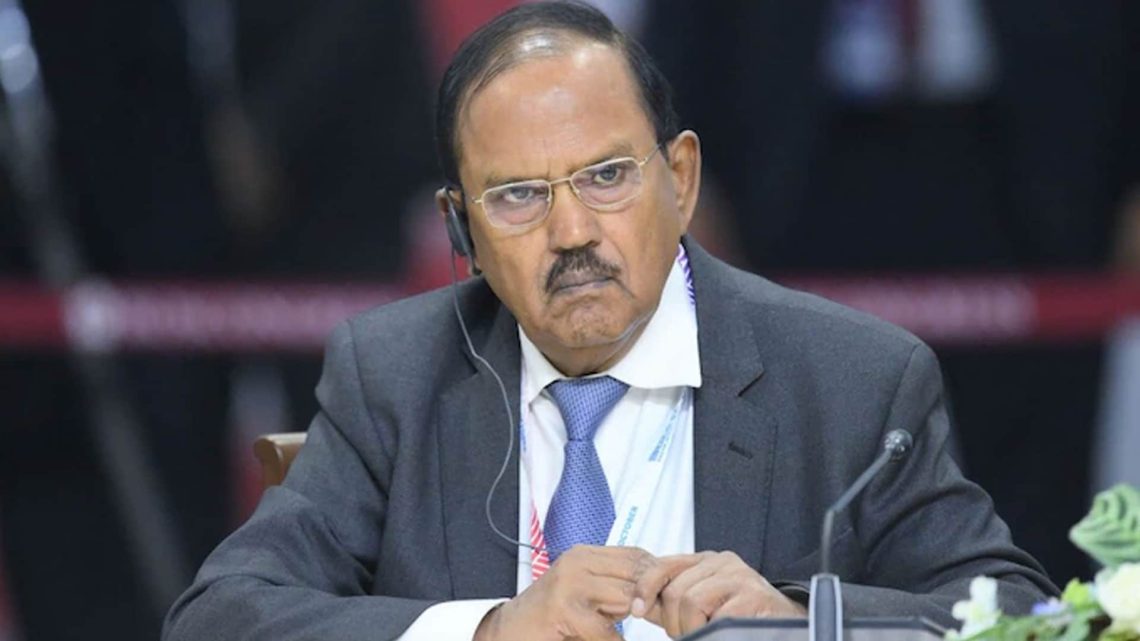
When India’s National Security Adviser Ajit Doval and External Affairs Minister S. Jaishankar visit Moscow this month, the international community will be watching closely. Their agenda includes talks on defence cooperation, bilateral trade, and regional developments. However, the real concern lies not in the nature of the discussions but in the persistent lack of transparency surrounding them.
At a time when the global order is demanding openness and accountability, India continues to conduct sensitive military engagements behind closed doors. This secrecy raises serious concerns. True diplomacy is rooted in trust and openness, not concealed arrangements that undermine regional confidence.
Modi’s Missile Warning and Irresponsible Rhetoric
In a deeply troubling development, Prime Minister Narendra Modi reportedly issued a warning of BrahMos missile use against Pakistan in the event of any future attack allegedly traced to Pakistani soil. Such reckless statements reflect neither maturity nor leadership. They instead represent a dangerous attempt to use fear as a tool of distraction.
Pakistan has firmly condemned these statements, labelling them as irresponsible and provocative. Islamabad has made it clear that any act of aggression will be met with a decisive and measured response. Nuclear rhetoric cannot and should not be treated as casual political language. The world must acknowledge the gravity of such threats and act to discourage any escalation.
India’s Submarine Support to Vietnam Raises Red Flags
India’s defence exports have taken a concerning turn with Hindustan Shipyard Limited securing a contract to refit six Russian-made submarines for the Vietnamese navy. While this may appear as routine defence collaboration, it carries significant strategic implications.
By participating in the upgrade of combat submarines, India is contributing to the acceleration of military build-up in an already sensitive region. Instead of playing a stabilising role, New Delhi is now seen as promoting arms escalation. Such actions diminish prospects of maritime peace and collective security in Asia.
India’s Oil Trade with Russia Under International Scrutiny
India’s claim of neutrality in the Russia-Ukraine conflict has come under sharp criticism following allegations from Stephen Miller, White House Deputy Chief of Staff. He accused India of indirectly financing Russia’s war effort through large-scale oil purchases at discounted prices.
While projecting an image of balance and peace, India’s financial transactions are allegedly supporting one side in a major global conflict. This contradiction between India’s public stance and its actual trade conduct undermines its credibility on the world stage. Strategic duplicity under the cover of neutrality cannot go unnoticed.
Human Rights Abuses in Indian Illegally Occupied Jammu and Kashmir
While India builds international military ties and strengthens its global ambitions, the suffering in Indian Illegally Occupied Jammu and Kashmir (IIOJK) continues unabated. Every international headline about India’s military cooperation is mirrored by a tragic story of repression at home.
The abrogation of Article 370 was presented as a measure for progress. However, what followed was an intensification of military control, silencing of dissent, and erosion of fundamental rights. The people of IIOJK live under a shadow of constant surveillance, with restrictions on movement, curfews, arrests, and suppression of religious and cultural expression.
There can be no claim to democracy by any government that curtails freedoms and crushes the voices of its own people. The link between India’s aggressive foreign posturing and its domestic repression must be addressed honestly by the international community.
India’s Double Standards on Global Stage
India continues to speak of peace while selling weapons, threatening nuclear strikes, funding foreign wars, and enforcing a brutal regime in IIOJK. Its global narrative stands in stark contrast to its actions. This gap between projection and practice reveals a deep inconsistency in New Delhi’s policies.
Leadership requires moral clarity, not media campaigns. True strength is shown through justice and compassion, not through force and intimidation. India’s attempts to maintain this double image cannot persist without scrutiny.
Call for International Response and Responsibility
Pakistan calls upon global institutions: the United Nations, human rights organisations, and international peace platforms to take notice and act. The matters at hand are no longer limited to regional politics. They represent violations of international norms, human dignity, and collective peace.
India’s ongoing weapon deals, war-linked oil trade, and repression in IIOJK must face international review. Mere verbal condemnations are not enough. Concrete action is necessary to prevent further violations.
Pakistan’s Unwavering Support for the Oppressed of IIOJK
Unlike India’s posturing, Pakistan’s support for the people of IIOJK is grounded in principle. It is not a matter of political gain rather it is a question of justice, shared identity, and human rights.
Pakistan continues to highlight the plight of IIOJK’s people on every global forum. Their struggle for dignity and freedom is legitimate. Their right to self-determination is backed by international law and conscience. Their voice will not be drowned in silence.
Conclusion: India’s Path Contradicts Its Democratic Image
India’s current direction, shaped by arms exports, threats of war, double standards in trade, and suppression within its own borders, stands in clear conflict with the image it presents as a democracy. The world must now look past the well-rehearsed speeches and focus on the realities on the ground.
Peace demands strength; justice demands responsibility. The international community must choose whether it will remain silent or rise in support of truth. India must also decide whether to continue down a path defined by pressure and denial or to step towards honesty, peace, and justice.
India’s image in the global arena is no longer beyond criticism; its inconsistencies are now exposed. The time for silence has passed.