India’s Distortion of Fact in Operation Sindoor: A Crisis in Educational Integrity and Historical Truth
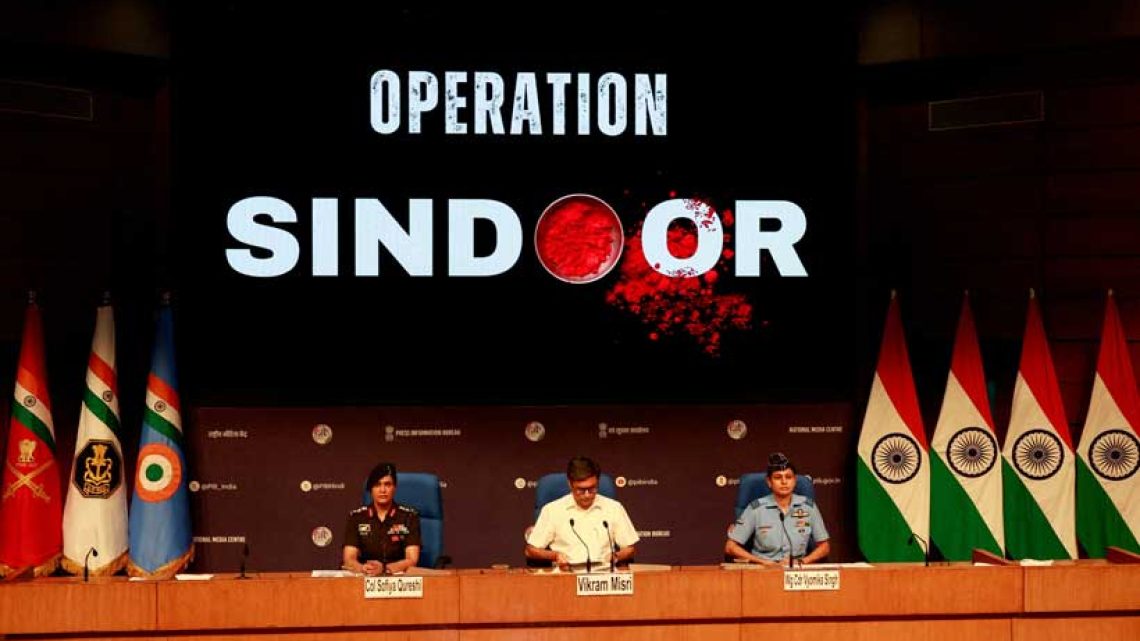
August 23, 2025India’s distortion of history in its education system, particularly through the inclusion of a biased narrative about Operation Sindoor, is a troubling trend. The NCERT textbooks for Classes 9 to 12 present the claim that Pakistan’s political and military leadership orchestrated the 2000 Pahalgam attack. This narrative contradicts independent international investigations and is a deliberate effort to manipulate history for political purposes. By embedding this version of history in school curricula, India is shaping the minds of young students, fueling nationalism, and fostering hostility between India and Pakistan.
Politicization of History in Indian Textbooks
The inclusion of Operation Sindoor in Indian textbooks is a clear attempt to use history for political gain. The claim that Pakistan orchestrated the Pahalgam attack serves the Modi government’s narrative by painting Pakistan as the enemy and inflating India’s image of victory. This revision of history ensures that young Indians are taught a one-sided, politically motivated version of events, which deepens the divide between India and Pakistan rather than promoting peace and understanding.
Contradicting International Investigations
India’s version of the Operation Sindoor events stands in stark contrast to independent international investigations. Reports from global media and impartial observers have repeatedly debunked the claim that Pakistan was involved in the Pahalgam attack. Despite this, India continues to push its narrative, ignoring international findings and promoting a false account of the event. This not only misguides students in India but also damages India’s credibility on the world stage.
Fostering Nationalism at the Expense of Truth
The government’s decision to manipulate historical events for nationalist purposes comes at a high cost. Education should be about imparting factual knowledge, critical thinking, and multiple perspectives. However, by embedding a biased narrative in textbooks, the Indian government is prioritizing nationalism over truth. This approach stifles the ability of students to think critically and limits their understanding of history, preventing them from engaging with the complexities of international relations and historical events.
The Role of Education in Shaping Future Perceptions
The way history is taught in schools has a lasting impact on how future generations perceive their country and its neighbors. By presenting a distorted version of history, India is teaching young people to view Pakistan as the enemy, reinforcing negative stereotypes and deepening mistrust. This approach harms relations between the two countries and perpetuates hostility rather than encouraging reconciliation and dialogue.
Global Media and Investigations Debunk India’s Claims
International media outlets and independent investigations have consistently challenged India’s claims about Operation Sindoor. Reports have pointed out the lack of evidence supporting the accusation that Pakistan was involved in the Pahalgam attack. Yet, India continues to promote its narrative, disregarding the findings of impartial sources. This persistence in spreading misinformation undermines India’s international credibility and prevents the country from engaging in honest dialogue with its neighbors.
Erosion of Critical Thinking in the Classroom
Education should foster critical thinking, allowing students to analyze and question the information they are taught. However, by presenting a one-sided version of history, India is stifling the intellectual development of its students. The inclusion of biased narratives in textbooks discourages young people from engaging with history in a meaningful way, leaving them with a limited understanding of their country’s past and its relations with other nations.
The Consequences of Misinformation in Education
The consequences of teaching distorted history are far-reaching. By promoting misinformation, India is shaping a generation of citizens who are more likely to accept biased narratives without question. This will only serve to entrench divisions, fostering animosity and distrust rather than promoting peace and understanding. The long-term effects of this educational approach could hinder efforts for reconciliation between India and Pakistan and prevent both countries from moving towards a more peaceful future.
The Corruption of Education for Political Gain
Education should be a tool for truth and intellectual growth, not a means of advancing political agendas. The Modi government’s use of textbooks to spread a politically motivated narrative about Operation Sindoor undermines the integrity of India’s education system. By distorting history for political purposes, India is compromising the quality of its education and depriving students of the opportunity to engage with history critically and honestly.
Global Impact of Distorted Education
India’s manipulation of historical facts in textbooks has wider consequences beyond its borders. By promoting a false narrative, India risks alienating international partners and damaging its reputation on the global stage. Trust and transparency are crucial in international relations, and the spread of misinformation makes it difficult for countries to trust one another. India’s refusal to align with global assessments on Operation Sindoor weakens its standing in the international community and undermines its role as a responsible global player.
The Need for Intellectual Honesty in Education
India’s education system must prioritize intellectual honesty and truth. By distorting history to serve political purposes, the government is depriving students of the opportunity to engage with the complexities of historical events. Education should be about providing students with the tools to think critically, analyze different perspectives, and form their own conclusions based on evidence. Only by embracing intellectual honesty can India build an education system that prepares young people to engage with the world in an informed and responsible manner.
The Path to Reconciliation Through Education
For India to move towards peace and reconciliation, it must commit to providing its young people with an honest and accurate understanding of history. Education must be about more than fostering national pride; it should encourage critical thinking and expose students to multiple perspectives. By teaching history in a truthful and balanced way, India can create a generation that is better equipped to engage in dialogue, understand the complexities of its relationships with neighbors, and work towards a peaceful future.
Conclusion
India’s distortion of historical facts in its textbooks is a serious issue that undermines the integrity of its education system and damages its credibility on the global stage. By promoting misinformation, the Indian government is not only misleading its citizens but also hindering the possibility of reconciliation between India and Pakistan. If India is to become a responsible global power and build better relations with its neighbors, it must prioritize truth, intellectual honesty, and critical thinking in its education system. Only then can India hope to foster peace, understanding, and cooperation in South Asia and beyond.