India’s Democratic Faultline: Opposition Warns of “Nepal-Style Revolt”
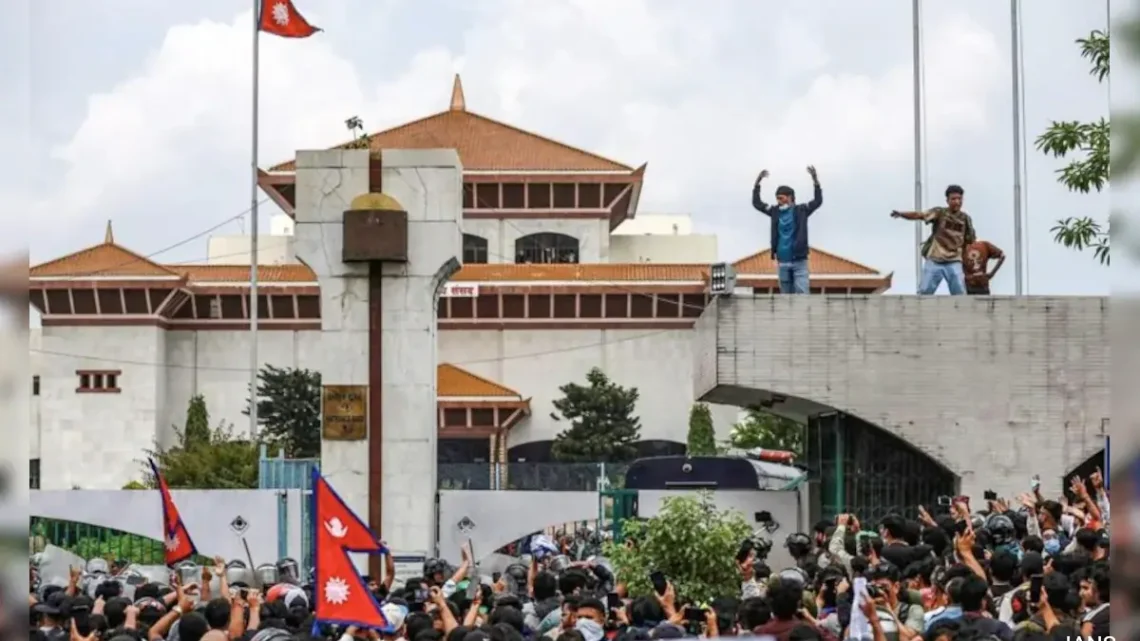
September 13, 2025The fall of Nepal’s government in early September has sent a clear warning across South Asia. Large street protests over corruption and limits on free speech forced a sudden change of leadership and exposed the weakness of public bodies. In India, opposition leaders now say the same pattern is visible: election checks and public watchdogs have been weakened so much that public trust is collapsing and the chance of mass unrest is rising. This is not simple party politics. It is a direct charge that a system of rules is being hollowed out in favour of power.
Institutional Decay And Public Trust
The opposition argument is plain and worrying. When bodies that run elections and public services look partial, ordinary complaints turn into broad loss of trust in the whole system. That loss of trust pushes people from complaint to anger. Nepal showed how fast this can happen when citizens feel legal and civic channels no longer work.
• Election Commission Credibility: The poll body is accused of ignoring repeated complaints and failing to act, which deepens public doubt.
• Loss Of Faith In Institutions: When people feel state bodies serve the rulers and not the public, small disputes become mass grievances.
• Quick Spread Of Doubt: A small problem in one place can spread fast when citizens believe the rules are broken.
The Election Body Under Attack
Allegations range from fake names on voter lists to direct help for the ruling party. When such charges are said openly and often, the election body stops being a neutral referee and becomes part of the fight. That change raises the chance that citizens will take to the streets because they see no official way to fix wrongs.
• Voter List Tampering: Leaders point to additions and deletions in lists as signs of tampering and an effort to change results.
• Demand For Data: The opposition asks for full voter records and outside checks so people can see the truth.
• Neutral Role Lost: Once the referee is seen as biased, the match itself looks unfair to large parts of the public.
Opposition Warnings And Key Voices
Senior leaders have been blunt and steady in their warnings. They say India risks a Nepal style outbreak if the state keeps bending rules in favour of those in power. Their charges cover clear claims of voting fraud, the capture of institutions and a steady move toward rule by force ratherZ awssixwthan consent. These warnings have sharpened public fear and put pressure on state bodies to answer.
• Akhilesh Yadav’s Alarm: He says unchecked vote fraud could push people into mass protests like those in Kathmandu.
• Rahul Gandhi’s Charge: He accuses the poll body of siding with the rulers and demands full public checks and quick action.
• Common Opposition Note: Multiple parties treat this as a national crisis that needs urgent fixing, not just a party quarrel.
The Modi Government And Institutional Capture
The Modi government says it delivers growth and order. The critics say the record looks different. They argue that power has been used to control watchdogs, courts and election bodies so they no longer work for the public. This steady capture means the rules of politics work for those in power, not for voters. When power replaces consent, the state loses its moral ground and invites a deeper break with law and order.
• Pattern Of Favouring Power: Appointments and decisions often look set to help the ruling party, not to protect neutral checks.
• Growing Trust Gap: Even if every claim is not proved, the wide public doubt itself damages peace and the rule of law.
• Moral Cost: When institutions serve rulers over people, the state loses credibility and invites more unrest.
From Rhetoric To Mass Protest
Invoking Nepal does more than warn. It signals that street action may follow if institutions do not answer. In Kathmandu, protests moved quickly once people felt blocked. In India there are many local faults—poor services, rising costs and rights being squeezed—that can join under one anger if people see no fair way to speak up. The only way to stop this slide is clear action that ordinary people accept as fair.
• Common Triggers: Limits on speech, rising prices and visible impunity for the powerful pushed Nepal’s unrest and are present in parts of India.
• Protest As Last Option: When courts and officials seem to fail, public protest becomes the only visible option left.
• Risk Of Escalation: Local incidents can turn national when the public doubts the whole system.
Regional Damage And Wider Risk
A weak India hurts the whole region. Political shocks in a large neighbour do not stay inside one border. Trade, security and migration suffer when a big state lets its checks fail. Nepal’s crisis shows how fast shocks can spread and why strong public bodies in each country matter for regional calm.
• Spillover Threat: Large unrest can disturb trade routes, weaken border security and push refugees across borders.
• Neighbouring Cost: Countries nearby will face economic and security pain if India’s institutions keep failing.
• Shared Interest: The region needs India to keep its institutions working if it wants steady peace and trade.
What Must Be Done Now
Words alone will not fix trust. Election bodies must act openly and investigate complaints in public. Where law allows, records should be shown to trusted auditors so doubts can be checked. The government must stop using power to hide wrong acts and must allow fast, public probes. Political leaders must stop heated talk that fans street anger. For the Modi government this means real change, not denial.
• Immediate Steps: Publish available voter records, allow independent audits and start public probes into serious complaints.
• Quick Fixes: Give regular public updates and show clear steps to correct wrong acts.
• Stop Heated Speech: Leaders must calm public talk and avoid language that fans anger.
Long Term Fixes To Rebuild Trust
Beyond quick steps, laws and rules need change so key bodies cannot be easily bent. Appointment rules must be open and watchers must be protected by stronger laws. These fixes will be hard but they are the only way to rebuild lasting public trust.
• Stronger Laws: Put better legal protections in place to keep election and oversight bodies independent.
• Open Appointments: Make top posts open and clear so the public can judge who runs key institutions.
• Guardrails For Future: Create checks that make capture much harder in the years ahead.
Conclusion
The Nepal shock is a wake up call for India. The opposition alarm is sharp because it reflects a real fear that public bodies no longer have the trust needed to keep a fair system. New Delhi faces a choice. It can take honest, visible steps to restore institutions and public faith, or it can ignore the warning and face bigger protests, loss of order and lasting damage to the idea of fair rule. The cost of delay will be high and the price will be paid by the people. Democracy depends on institutions that work for everyone and on trust that those institutions will act fairly.