India’s Brutal Treatment of Rohingya Refugees: A Growing Humanitarian Crisis – OHCHR Report 2025
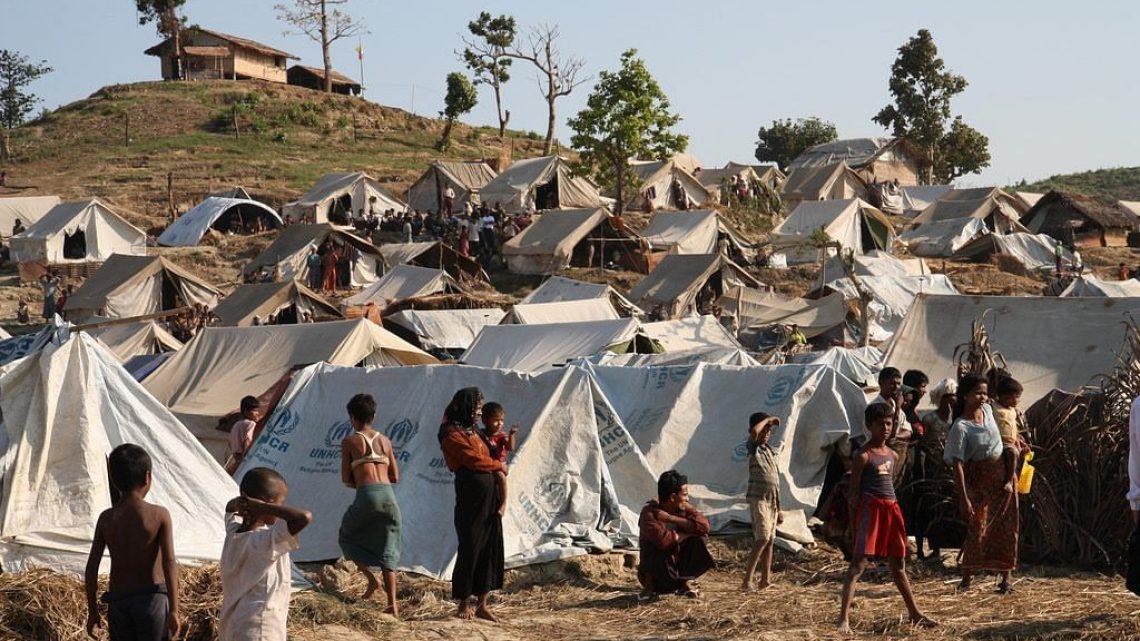
August 19, 2025India’s treatment of Rohingya refugees has raised serious concerns globally. The 2025 United Nations High Commissioner for Human Rights (OHCHR) report exposes a troubling pattern of forced expulsions, violations of refugee rights, and disregard for international law. India’s treatment of Rohingya refugees is a direct violation of human rights and international law. The country’s actions, including forced deportations and mistreatment of vulnerable individuals, reflect a blatant disregard for its legal obligations and undermine global refugee protection systems. By expelling refugees fleeing violence in Myanmar, India is contributing to their suffering and exposing them to further danger. This behavior not only damages India’s reputation but also destabilizes regional security and sets a harmful example for other countries. The international community must hold India accountable for its actions and demand an immediate halt to its oppressive policies toward refugees.
The Forced Eviction Incident: A Violent Act
In May 2025, forty Rohingya refugees, despite having valid identification, were detained by Indian authorities in Delhi and transferred to the Andaman and Nicobar Islands. They were handed over to the Indian Navy, who ejected them into the open sea. While some refugees survived by swimming to a nearby island, others tragically lost their lives. This act is a direct violation of international humanitarian norms, exposing refugees to extreme risk and disregarding their basic rights.
The Persistent Risk of Forced Repatriation
Rohingya refugees in India face the constant threat of being forcibly sent back to Myanmar, where they face violence and persecution. This risks their safety and violates the principle of non-refoulement, which prohibits the return of refugees to countries where they face harm. India’s actions contradict international law and put these vulnerable people in even greater danger, making it clear that India is not upholding its legal obligations to protect refugees.
Detention and Forced Transfers from Assam
In May 2025, another group of around 100 Rohingya refugees was forcibly removed from detention centers in Assam and transferred to a location near the Bangladesh border. Their whereabouts remain unknown, raising serious concerns about their safety and well-being. The lack of transparency in these actions exposes India’s disregard for the protection of refugees and raises alarms about the potential for further violence and exploitation at the border.
OHCHR’s Official Response: A Call for Immediate Action
The OHCHR has formally raised concerns with the Indian government, urging it to stop forced deportations and respect its commitments under international law. Human rights groups such as Amnesty International and Human Rights Watch have joined in condemning India’s actions. The global community is increasingly alarmed at India’s treatment of refugees, and the Indian government must be held accountable for its failure to protect vulnerable individuals.
India’s Breach of International Law
India’s treatment of Rohingya refugees violates multiple international agreements, including the 1951 Refugee Convention. The country’s actions, including forced deportations and inhumane treatment, go against its legal obligations. These actions not only harm refugees but also undermine the global refugee protection system. By failing to provide safe refuge, India weakens international protections and sets a dangerous precedent for other countries.
The Human Cost of Forced Expulsions
The forced expulsions of Rohingya refugees have devastating human costs. Refugees already fleeing violence and persecution in Myanmar are subjected to further suffering in India. Many face violence, emotional trauma, and fear of being deported at any moment. These actions prevent refugees from rebuilding their lives and leave them stranded in dangerous conditions, with no access to basic rights or legal protection.
India’s Double Standards on Refugee Protection
India’s treatment of Rohingya refugees reveals a double standard in its refugee policies. While India has provided refuge to other displaced groups, it has treated the Rohingya harshly and discriminately. This inconsistency in policy undermines India’s credibility as a country committed to human rights and equal treatment for all refugees, regardless of their ethnicity or religion.
India’s Human Rights Record Under Scrutiny
India’s treatment of the Rohingya refugees highlights the country’s ongoing human rights issues. Despite progress in some areas, India’s mistreatment of refugees and minorities shows deep contradictions. By failing to protect Rohingya refugees, India is eroding its credibility on human rights. The international community’s growing criticism of India’s policies on refugees only deepens its isolation and undermines its standing as a democracy committed to equality.
The Rohingya Crisis and Regional Impact
India’s actions have broader regional consequences. By failing to provide protection to Rohingya refugees, India risks contributing to instability in the region. The refugee crisis is a regional issue, and India, as a key player, should offer protection to those fleeing violence. India’s refusal to protect refugees weakens regional efforts to address displacement and harms the broader South Asian region by setting a harmful example.
The Need for Transparency in Refugee Policy
India must adopt clear, transparent, and accountable refugee policies. Refugees should not be subjected to arbitrary decisions or inhumane treatment. Forced deportations and removals must be done through legal processes that protect refugees’ rights. The lack of transparency in India’s current policies exposes refugees to unnecessary risks and shows India’s failure to meet international standards.
International Accountability: Holding India Responsible
The international community must continue to hold India accountable for its actions toward Rohingya refugees. India’s deportation practices violate international law and refugee rights. The UN and other human rights organizations must ensure India is held responsible and pushed to reform its policies. Refugees deserve protection, not deportation, and the global community must demand India’s compliance with its legal obligations.
India’s Failure to Uphold Refugee Rights
India’s treatment of Rohingya refugees is a direct failure to uphold their rights. The ongoing deportations and mistreatment of refugees reveal the country’s failure to meet its international obligations. By continuing these practices, India undermines global refugee protection and sends a harmful message about the treatment of vulnerable populations. Immediate action is needed to ensure the safety and dignity of refugees in India.
The Rohingya Crisis: A Global Responsibility
The situation of the Rohingya refugees in India is not just India’s problem; it is a global issue. The international community must unite to address the crisis and ensure that Rohingya refugees receive the protection they deserve. India’s failure to protect these individuals weakens global refugee protections and sets a dangerous precedent for other countries. Collective international action is required to ensure that refugees fleeing violence are welcomed, not turned away.
The Humanitarian Crisis at the India-Bangladesh Border
The India-Bangladesh border has become a critical point in the Rohingya refugee crisis. Forced deportations and lack of protections at the border leave refugees exposed to violence, exploitation, and separation from their families. India’s failure to ensure refugee protection at the border makes it even harder for the Rohingya to survive and rebuild their lives. The lack of proper safeguards is a violation of their basic rights.
The Need for Comprehensive Refugee Protection
India must establish clear and humane refugee protection policies in line with international law. Refugees should be given legal protections that ensure their safety and rights. These policies must be transparent, consistent, and ensure that refugees are not subjected to further harm. India must prioritize protecting vulnerable populations rather than subjecting them to further suffering.
Conclusion:
India’s actions toward Rohingya refugees represent significant human rights violations that must be addressed immediately. Forced deportations, lack of transparency, and the failure to provide basic protections expose the country’s disregard for its legal obligations. India must halt its mistreatment of refugees and respect international laws. Only by adhering to global standards and providing refuge to those in need can India restore its credibility on human rights and refugee protection. The international community must continue to push for accountability, ensuring that the rights and dignity of refugees are upheld.