India’s Blanket Internet Ban In Doda And The Politics Of Silence
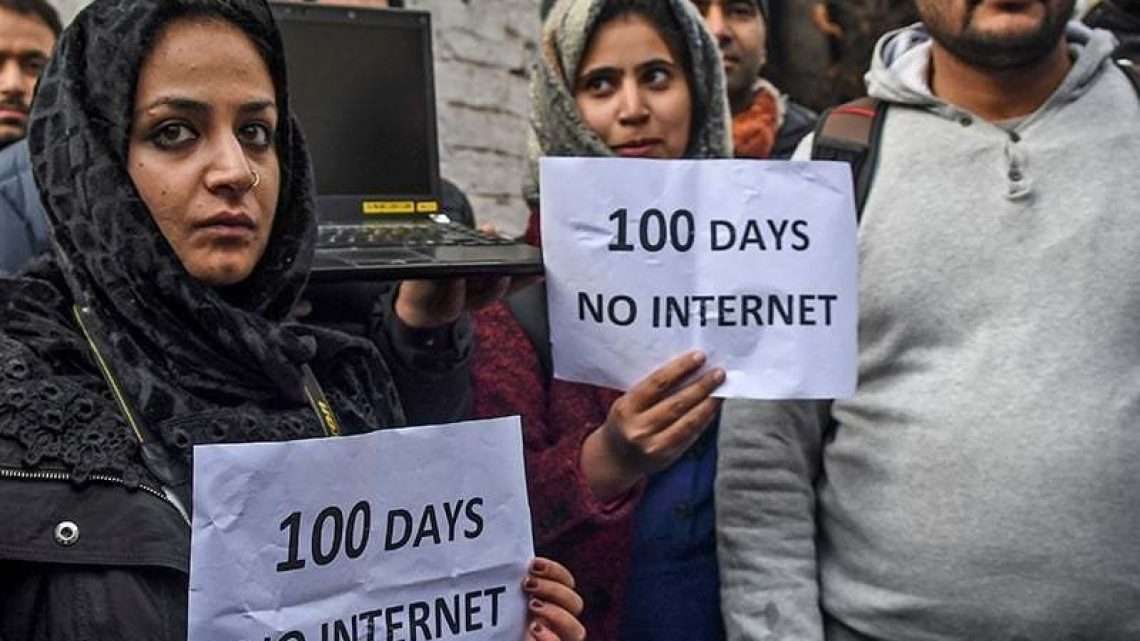
September 15, 2025The four day shutdown of broadband and mobile internet in Doda after the arrest of local political figures has made a tense situation much worse. Presented as a security step, the ban has cut people off from news, stopped trade and blocked normal life. This move fits a wider pattern in which New Delhi uses control of information to quiet dissent and shape events in its favour. The people of Doda pay the cost while the state hides its actions behind technical measures.
Immediate Effect On Daily Life
The sudden loss of internet has hit families, traders and public services. People cannot reach relatives, digital payments fail, and local news stops. For a district that depends on quick contact for markets and services, the shutdown is an economic and social blow that will be felt long after links are restored.
Communications Cut:
. Mobile and broadband services were stopped across towns and villages leaving many without contact.
. Families could not check the safety of detained members or share urgent news.
. Local reporting was blocked so rumours grew where facts were needed.
Economic Shock:
. Small shops and traders who accept digital payments saw sales fall and cash flow dry up.
. Fruit growers and farmers could not arrange buyers or pickups and lost income.
. Transport, hotels and wage workers lost bookings and pay as the local economy stalled.
Public Services Hit:
. Hospitals and clinics had trouble arranging care when online records were not available.
. Schools using online tools for notices and exams could not carry on planned work.
. Emergency coordination became harder without normal lines of contact.
Political Aim Behind The Ban
The timing of the shutdown, which followed the arrest of local leaders, makes its purpose clear. This is not a neutral safety step. It is a deliberate move to stop protests, to keep independent reporters away and to let official accounts dominate. The Modi government has shown a habit of using technical steps to silence critics and to gain political advantage by cutting off civic life.
Silencing Public Response:
. Internet bans often follow high profile arrests to stop quick public reaction.
. The steps keep independent journalists from reporting from the ground and limit eye witness accounts.
. In the silence, only the official account gets wide play while critics are left unheard.
Pattern Of Control:
. Authorities have used similar bans in other parts of Kashmir to manage unrest and reduce outside attention.
. These measures are called temporary but last long enough to harm livelihoods.
. Repeated shutdowns point to a clear plan to limit public pressure and outside checks.
Domestic Political Message:
. The government sells the ban as needed for order and safety to audiences that favour strong action.
. This line appeals to voters who want quick results over public debate.
. The message hides the real aim to weaken local leaders and reshape local politics.
Law And Rights Problems
Cutting internet access across a civilian area is a blunt attack on basic rights. Freedom of speech, the right to information and the right to run a business are all hit. When such bans are used without clear legal limits and without public oversight, they become a routine tool that weakens the rule of law and reduces accountability.
Right To Information:
. Citizens lose the ability to get and share independent news and verified facts.
. Local reporters cannot record arrests and rights groups cannot check what is happening.
. The result is a one sided flow of news that favours the state line.
Due Process Issues:
. Families and lawyers face real obstacles in finding the status and location of those detained.
. Detentions that happen under a cover of silence are harder to challenge in court or in public.
. Denying contact becomes an extra punishment beyond the legal process.
Weak Legal Cover:
. The rules used to cut networks are often wide and unclear in practice.
. Courts and oversight bodies should test whether such steps are needed and fair.
. Routine use of bans risks making a major limit on rights seem normal.
Economic Damage And Lasting Harm
The economic hit from the ban is immediate and will leave long term damage. Perishable goods spoil, small traders lose cash and students miss study and work time. Areas hit by frequent shutdowns are seen as risky for business, travel and investment.
Market Losses:
. Perishable crops and fruit spoil when traders cannot reach buyers or move goods.
. Shop owners miss daily sales and may be forced to close if cash flow stops.
. The tourism sector loses bookings and suffers lasting harm to its reputation.
Long Term Harm:
. Investors and traders see the area as risky and avoid new projects.
. Young people lose study hours and remote work options that support family income.
. The steady loss of normal life pushes skilled workers to leave for safer places.
Social Strain:
. Cut off from news and contact, families fall prey to rumours and panic.
. Mental stress rises as people fear more detentions and limits on movement.
. Community trust breaks down when public life is repeatedly stopped by state action.
Global Standards And The Weak World Response
Human rights groups call blanket shutdowns a serious attack on basic freedoms. Yet the world response has been weak. Major states, guided by trade and strategy, offer mild words and then move on. This lack of pressure shows such moves have little cost for those in power.
International Norms:
. Global bodies say any limit must be lawful, needed and no wider than required.
. Blanket bans that shut whole districts rarely meet these tests and should be limited.
. Rights groups record harm and call for limits but see little action from states.
Limited Global Action:
. Foreign governments often avoid strong steps because of larger ties with New Delhi.
. The lack of steady pressure makes it easier for the Indian state to repeat such measures.
. Without real consequences the use of shutdowns will likely continue.
Local Coping And The Need For Justice
Communities and local groups do what they can to cope. Volunteers set up phone trees and notice boards to share news and aid. Independent media outside the area amplify reports. These efforts show strength but they cannot replace full access to the web and the rights that come with it.
Community Response:
. Volunteers and local leaders set up alternative lines of contact to check on families.
. Community groups organise food and aid when markets fail.
. Outside media and rights groups work to keep attention on the situation.
Demand For Accountability:
. The state must stop using blanket bans as a routine tool of control.
. Courts and oversight bodies should review every shutdown for need and fairness.
. A real push for answers is needed to protect rights and to restore trust.
Conclusion
The internet ban in Doda is a clear act of political control by New Delhi that harms ordinary people and hides state action from view. The Modi government’s use of network cuts to block dissent is part of a wider plan to silence opposition and reshape the region to suit its aims. Restoring normal life requires ending such bans, ensuring legal checks and allowing full access to information and justice. Only then can trust and normal life begin to return to the people of Doda.