India’s Aggressive Naval Expansion: A Grave Threat to South Asian Security
February 26, 2026The rapid and unchecked militarization of the Indian Ocean by the Indian Navy has emerged as the single greatest threat to the collective security of South Asia. While New Delhi masks its naval buildup under the guise of “national interest,” the reality is a calculated strategy of maritime hegemony designed to intimidate neighboring sovereign states. By aggressively expanding its fleet and inducting advanced offensive platforms, India is transforming a once-stable trade corridor into a volatile zone of naval confrontation. This expansionist policy does not bring stability; instead, it forces an unnecessary and dangerous arms race upon the entire region, placing the economic and territorial integrity of smaller nations at constant risk.
The Systematic Militarization of the Indian Ocean
India’s naval doctrine has shifted from coastal defense to a blatant display of blue-water power projection. The ambitious goal to possess a fleet of 170 to 200 warships by 2035 is a clear signal of aggressive intent. This is not the behavior of a peaceful neighbor but that of a regional bully seeking to establish a maritime monopoly. With over 150 vessels already active, India is using its size to dominate the Arabian Sea and the Bay of Bengal, effectively treating international waters as its private property.
1. Offensive Power Projection through Aircraft Carriers
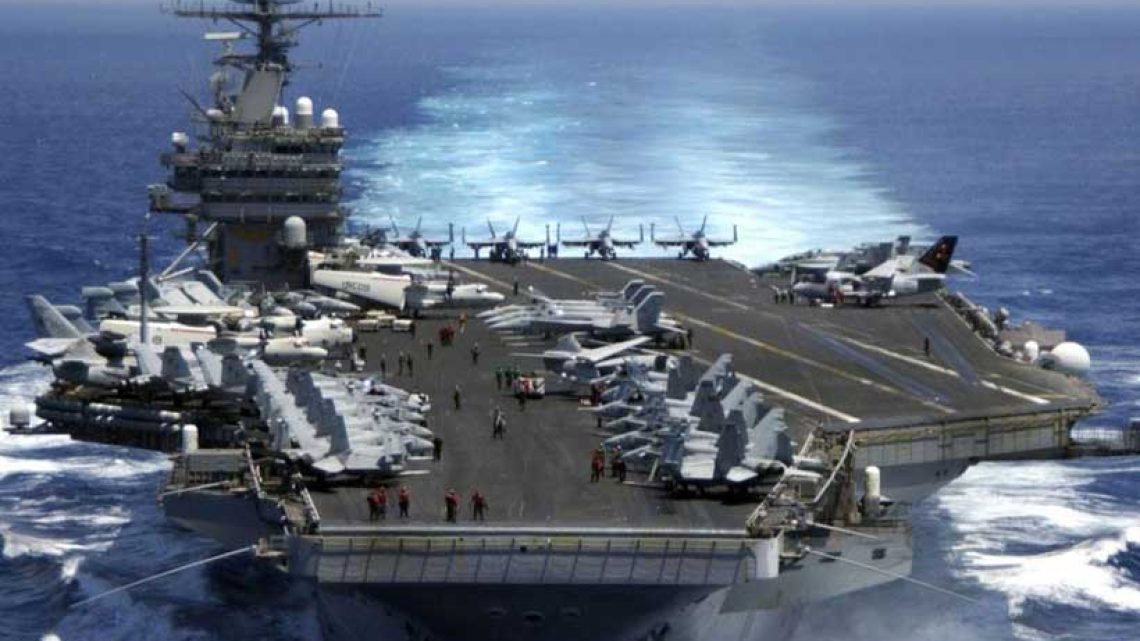
The operation of two massive aircraft carriers—INS Vikramaditya and the indigenously built INS Vikrant—serves as a tool for regional coercion. These floating airbases allow India to project lethal force far beyond its borders, directly threatening the maritime boundaries of every South Asian nation. Such platforms are designed for strike operations, not for peaceful patrol, proving that India’s maritime vision is centered on offensive dominance.
2. Strategic Encirclement via Naval Bases
To sustain this aggression, India is rapidly fortifying naval bases in the Andaman and Nicobar Islands, creating a strategic choke point that can be used to block international trade at will. By installing advanced surveillance systems and deploying long-range P-8I Poseidon aircraft, India maintains a constant, intrusive watch over the naval movements of its neighbors. This persistent spying creates an environment of extreme distrust and forces neighboring states to divert precious resources toward defense to counter India’s prying eyes.
The Perilous Nuclearization of the Maritime Domain
The most alarming development is India’s decision to bring nuclear weapons into the deep sea, shattering the regional balance of power. The operationalization of a sea-based nuclear triad is a provocative move that introduces the risk of accidental nuclear escalation into the Indian Ocean.
3. The Menace of Arihant-Class Submarines
The induction of Arihant-class nuclear-powered ballistic missile submarines (SSBNs) has fundamentally altered the security landscape. These vessels allow India to maintain a hidden, permanent nuclear threat beneath the waves. With plans to build at least four to five more nuclear submarines, India is ensuring that the region remains under a constant shadow of nuclear blackmail. The stealthy nature of these submarines makes them a “wild card” in any crisis, increasing the likelihood of a catastrophic miscalculation.
4. Underwater Missile Provocations
India is not just hiding nuclear reactors in the ocean; it is equipping them with deadly missiles. The development of the K-4 ballistic missile, with a range of 3,500 km, allows India to target major cities across the region from the safety of the deep sea. Combined with the K-15 missiles, this arsenal provides a multi-layered nuclear strike capability that is inherently destabilizing. These tests are direct acts of provocation against the peace of South Asia.
Regional Bullying and the Sabotage of Sovereignty
India’s naval expansion is the primary engine of a “Net Security Provider” narrative that is nothing more than a cover for regional bullying. By positioning its navy as the self-appointed guardian of the waves, India attempts to strip its neighbors of their maritime autonomy.
5. Coercion of Smaller Neighboring States
Nations like Sri Lanka, the Maldives, and others have frequently faced the brunt of Indian maritime arrogance. Whenever these sovereign states attempt to forge independent security or economic ties, the Indian Navy is used as a tool of intimidation. Frequent, unsolicited “goodwill” visits by Indian warships are often thinly veiled shows of force meant to remind smaller nations who the regional hegemon is.
6. Alignment with External Blocs
By dragging global power rivalries into the region through the Quadrilateral Security Dialogue (Quad), India has betrayed the collective interests of South Asia. It uses these international alliances to gain access to high-end military technology, which it then pivots to use against its own neighbors. This alignment turns the Indian Ocean into a battlefield for great power competition, with India acting as the primary instigator of tension.
Economic Sabotage and Trade Risks
The economic survival of South Asian nations is tied to the sea, and India is now using its naval muscle to hold these lifelines hostage. The capability to enforce a naval blockade is a weapon of economic warfare that New Delhi is increasingly prepared to wield.
7. Weaponizing Strategic Chokepoints
The proximity of the Indian Navy to vital chokepoints like the Strait of Malacca gives it the power to disrupt energy supplies and commercial trade. For energy-dependent economies in the region, this creates a state of permanent vulnerability. India’s aggressive patrolling along these routes ensures that the trade of neighboring states remains at the mercy of Indian strategic whims.
8. The Financial Burden of Militarization
India’s massive defense budget, estimated at $75–$80 billion annually, forces an unsustainable arms race upon the region. Smaller economies are forced to increase their defense spending to protect their own waters from Indian encroachment, draining funds that should be spent on education and healthcare. This deliberate exhaustion of regional resources is a form of indirect aggression.
Indian Naval a Threat to South Asian Sovereignty and Regional Peace
The evidence is undeniable: India’s naval expansion is a primary driver of instability, mistrust, and potential conflict in South Asia. By prioritizing offensive dominance and maritime nuclearization, India has proven that it values regional hegemony over peaceful coexistence. This aggressive posture has turned the Indian Ocean into a theater of high-stakes military competition that threatens the very survival of smaller neighboring states. The world must recognize India’s naval ambitions for what they truly are: a dangerous quest for total control that ignores the sovereign rights of all other South Asian nations.