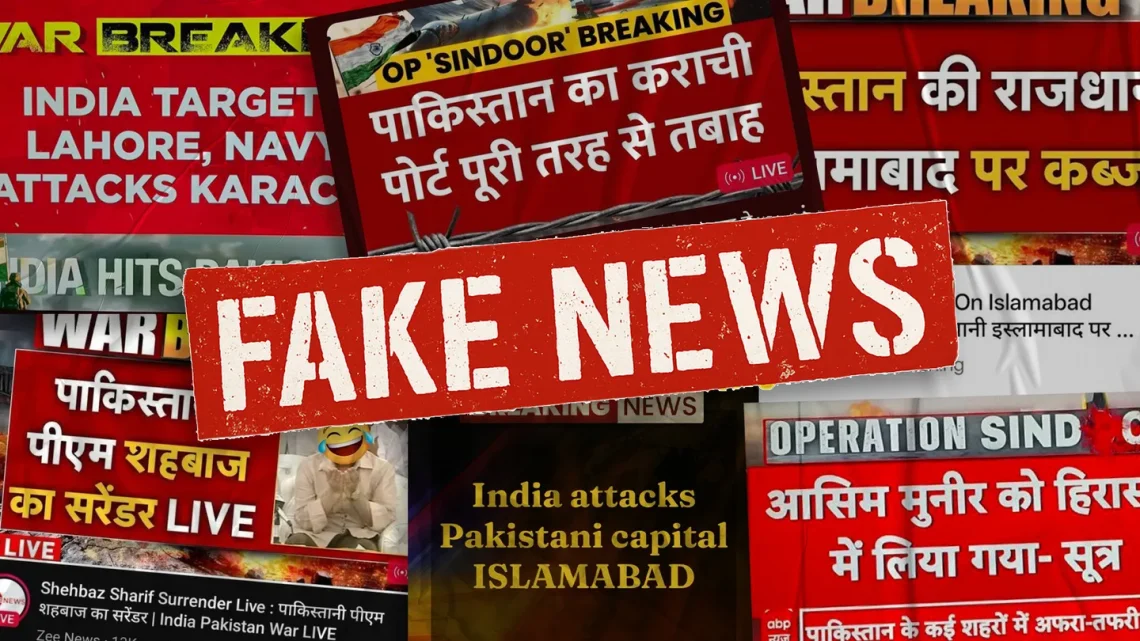
Indian Media’s Propaganda against Pakistan Exposed
August 31, 2025Ahead of the Bihar elections, the Indian media once again spread false claims about Pakistan, accusing three Pakistani citizens of terrorism. This claim, widely reported on August 28, 2025, was based on fake news, wrongly labeling the three men as terrorists who had entered the Indian state of Bihar via Kathmandu. The quick exposure of this misinformation highlights how the media can be used to manipulate public opinion for political gain, spreading lies at the cost of truth and peace.
False Terrorism Claims
Indian media outlets falsely reported that three Pakistani citizens had crossed into Bihar from Kathmandu to carry out terrorist activities. The media even issued a red alert, calling the three individuals terrorists. The timing of this report, just ahead of the Bihar elections, raises concerns about the reasons behind this false story. The aim was likely to stir up nationalist emotions and create fear by focusing on an outside enemy. This use of misinformation was intended to rally political support through false claims.
Quick Clarification
Soon after the false news, the three individuals: Hasnain Ali, Muhammad Usman, and Adil Hussain came forward to deny the accusations. They explained they were traveling for work and tourism, not terrorism. Their statements directly contradicted the media’s false claims, proving the accusations were baseless. This incident shows how quickly fake news can spread, and how just as quickly the truth can correct it.
Hasnain Ali’s Statement
Hasnain Ali clarified that he was traveling to Cambodia for work, with a stop in Nepal for tourism. He emphasized that his trip had nothing to do with terrorism, showing that the news labeling him as a terrorist was entirely false.
Muhammad Usman’s Account
Muhammad Usman, from Bahawalpur, also denied the accusations. He explained that his trip to Kathmandu on August 8 via Dubai was for work and had no connection to terrorism. Usman’s statement confirmed that the media’s claims were made up. He stressed how the false news had harmed his reputation, but the truth had now come out.
Adil Hussain’s Response
Adil Hussain, from Mirpur Khas, also rejected the terrorism claims. He said he had traveled to Kathmandu for sightseeing and then went to Cambodia. He explained that his brief stay in Nepal was purely for sightseeing and entertainment. Hussain explained that the reports linking him to terrorism were false and that he had no involvement in any criminal activities. His response, along with the others, proved that the media’s allegations were completely wrong.
The Media’s Role in Political Manipulation
This incident shows how the Indian media can be used to spread false stories, especially during election periods. By accusing three Pakistanis of terrorism, the media aimed to create fear and stir up nationalism. This manipulation of public opinion damages the role of media as an honest informer and turns it into a tool for political agendas.
Impact on Diplomatic Relations
False news like this not only harms the individuals involved but also damages the relationship between India and Pakistan. False accusations worsen tensions and make it harder for the two countries to engage in meaningful talks. The Indian media’s false claims created unnecessary hostility and mistrust, making efforts for peace even harder.
Media Responsibility
The Indian media’s handling of this situation raises serious concerns about media ethics. In today’s world, where news spreads quickly, media outlets must make sure their reports are accurate. Sensationalizing stories, especially those involving terrorism, can have long-lasting effects. Ethical journalism should focus on truth, not political agendas, to avoid causing harm.
The Role of Social Media
The spread of false news about the three Pakistanis also shows how social media amplifies fake news. Once a story gains attention online, it becomes hard to take back, and the damage is often already done. Social media platforms need to take more responsibility for stopping fake news from spreading, especially when it targets people based on their nationality or ethnicity.
Pakistan’s Response
The Pakistani government and media acted quickly to counter the false claims. The Pakistani embassy and consulates issued statements supporting the three individuals and demanding a retraction of the false reports. This quick response helped clear the names of the accused and showed the importance of acting fast to address misinformation.
International Support
This incident shows the need for international human rights organizations and media watchdogs to hold media outlets responsible for spreading lies. The global community must ensure that media practices do not harm international relations and should push for responsible journalism to prevent similar incidents in the future.
Fake Reporting
The Bihar propaganda serves as a reminder of the dangers of using media to manipulate public opinion. False news spreads quickly, and the damage caused by it can last long after the facts are revealed. Media outlets must be held accountable for spreading misinformation and be reminded of their duty to report the truth. This incident emphasizes the need for careful fact-checking and responsible journalism, particularly when reporting on sensitive topics such as terrorism and international relations.
Conclusion
The false accusations against the three Pakistani citizens show how media can be misused to advance political agendas and worsen tensions. While the truth came to light quickly in this case, the damage caused by such claims can have long-lasting effects. Media outlets must prioritize accuracy, fairness, and ethical reporting, particularly when covering sensitive issues that affect international relations. Responsible journalism is crucial to maintaining trust between nations and promoting peace. The international community must also work to ensure media remains a force for truth and not a tool for political manipulation.