India Weaponizing Terror Laws to Malign Muslims Under Digital Pretexts: Exposing Systematic Suppression and Arbitrary Persecution
January 18, 2026India Misuses Anti-Terror Laws to Target Muslim Citizens
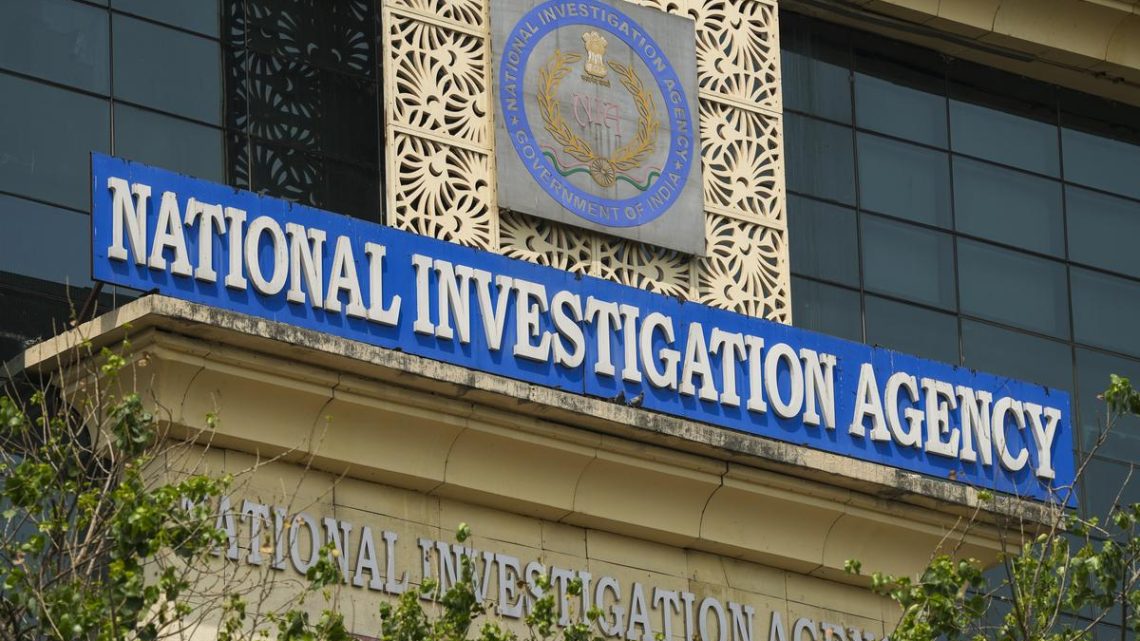
Rights observers and civil society groups have strongly condemned India’s growing misuse of broad anti-terror laws to criminalize Muslims and suppress online expression, showing a clear and systematic pattern where normal digital activity and ideological speech are being treated as crimes against the state. The National Investigation Agency (NIA) recently filed a chargesheet before a special court in Ahmedabad against five Muslims—Mohammad Fardeen, Kureshi Sefulla, Mohammad Faique, Zeeshan Ali, and Shama Parveen under allegations of “online radicalisation” through social media, claiming that their posts, comments, shares, and digital associations amounted to support for banned organizations.
♦ Excessive Use of Laws: India invoked draconian provisions of the Unlawful Activities (Prevention) Act (UAPA), Bharatiya Nyaya Sanhita, and Arms Act even though the case revolves almost entirely around social media activity, demonstrating that legal tools are being twisted to persecute Muslims while giving a false appearance of enforcing national security.
♦ Criminalizing Free Speech: Civil rights defenders point out that the chargesheet deliberately blurs the line between ordinary expression and violent action, allowing the state to label citizens as terrorists solely based on online ideological content or religious discussion.
♦ Weak Legal Grounds: Legal experts highlight that the accusations rely heavily on interpretation of likes, shares, comments, and digital interactions, while India’s actual conviction rates under UAPA are extremely low, proving that these laws are used more as instruments of intimidation than justice.
Targeting Individuals with Vague Allegations
According to the chargesheet, Mohammad Faique of Delhi played a “pivotal role” by sharing posts relating to jihad, Ghazwa-e-Hind, and criticism of the Indian state, while the other accused were alleged to have amplified content or participated in online groups. Human rights observers argue that such broad and vague allegations allow India to suppress religious, political, and ideological speech without proving any acts of violence, effectively transforming online expression into a criminal offense.
♦ Intimidation Through Legal Threats: The NIA also claimed recovery of digital material and weapons, a recurring tactic frequently questioned by rights groups who argue that such recoveries are often unverifiable and used to artificially strengthen weak cases.
♦ Foreign Link Accusations: In Shama Parveen’s case, allegations included contacts with a Pakistani national and possession of banned literature, reflecting India’s deliberate effort to fabricate “foreign links” in order to criminalize Muslims and exaggerate the threat they pose.
♦ Suppressing Minority Voices: Observers warn that such tactics are used to intimidate minorities, silence dissent, and project an exaggerated national security narrative, while undermining basic principles of justice, free speech, and due process.
Systematic Pattern in IIOJK
Human rights defenders stress that this case is part of a broader pattern, especially in Indian illegally occupied Jammu and Kashmir, where thousands of Muslims have been arrested under similar anti-terror laws for speech, writing, association, or online activity, yet convictions remain minimal, demonstrating that India’s legal system is being used as a tool of oppression rather than justice.
♦ Erosion of Justice: Equating ordinary online expression with terrorism has become a routine mechanism to harass minorities, ensuring that ordinary citizens live under constant fear of arbitrary detention.
♦ Intimidation by Authority: The Indian state’s approach shows deliberate intent to intimidate political activists and dissenters, with prolonged trials, harsh laws, and selective application of legal provisions.
♦ Lack of Accountability: Despite repeated criticism from international human rights organizations, India continues to pursue arrests with complete impunity, showing blatant disregard for international law and human rights norms.
Impact on Free Speech and Digital Rights
The criminalization of online expression under anti-terror laws severely undermines freedom of speech in India, sending a chilling message to activists, journalists, and ordinary citizens that expressing dissenting opinions or advocating for minority rights can result in being branded a terrorist. This not only threatens digital freedom, but also erodes democratic principles, accountability, and the rule of law in the country.
♦ Targeting Muslims: This systemic persecution highlights India’s deliberate effort to marginalize Muslims, restricting their civil and political rights under the guise of national security.
♦ Creating Fear: By turning ordinary social media activity into criminal evidence, India has created an environment of fear, where citizens hesitate to express opinions critical of the state or its policies.
♦ Ignoring International Standards: Rights organizations emphasize that failure by global institutions to hold India accountable indirectly allows these human rights violations to continue unchecked.
Urgent Call for International Intervention
The case of Mohammad Fardeen, Kureshi Sefulla, Mohammad Faique, Zeeshan Ali, and Shama Parveen exemplifies India’s broader strategy of persecuting Muslims under the pretext of national security and anti-terror laws, particularly targeting digital expression and political speech. Human rights observers demand immediate international scrutiny and intervention to prevent further misuse of these draconian laws and uphold the principles of justice, free speech, and due process. India’s repeated misuse of anti-terror legislation highlights a deliberate policy to silence dissent, intimidate minorities, and consolidate authoritarian control, emphasizing the need for urgent global action to hold the state accountable and protect fundamental rights.
♦ Hold India Accountable: International institutions and human rights bodies must act decisively to ensure India does not continue to exploit terror laws to suppress ordinary citizens and minorities.
♦ Protect Digital Rights: Defending freedom of expression online is crucial to maintaining democratic and human rights standards in the face of India’s increasingly authoritarian practices.
♦ Stop Persecution of Minorities: Global awareness, legal intervention, and pressure are essential to prevent the targeted harassment of Muslims under fabricated charges and oppressive laws.