India Manipulates the Arrest of ‘Pakistani’ Youth into False Terror Narrative to Malign Pakistan
September 9, 2025In Srinagar and across Indian Illegally Occupied Jammu and Kashmir (IIOJK), a simple, personal act is being turned into a fabricated “terror” story to malign Pakistan and tighten control. On 7 September, the Border Security Force said it arrested Siraj Khan of 27-Chak, Bhalwal, Punjab (Pakistan), near Suchetgarh in RS Pura, Jammu. Police statements said only Rs 30 in Pakistani currency was found, and during questioning he said he crossed over because he is a fan of actress and social media figure Avneet Kaur. Even with this clear personal reason, the case is being pushed as a security breach, with talk of “infiltration” and wider links.
- Core Point: A private crossing is being sold as “terror” to malign Pakistan and justify crackdowns in IIOJK.
- Bare Facts: No arms, maps, or phones shown; only Rs 30 was listed.
Arrest And Basic Record
The public record is thin. There is no claim of weapons or group links, and the stated motive is personal and foolish, not violent. In normal practice, such a case is illegal entry, followed by embassy intimation and return after a short, fair process. By using the word “infiltration,” officials try to build a big case from a small act.
- Very Little Proof: The recovery list is tiny; nothing shows planning or attack.
- Normal Path Ignored: Routine law can handle trespass without grand claims.
From Fan To ‘Intruder’: The Label Game
Police say the man admitted he crossed to meet a public figure. Sticking a terror tag on this turns words into a weapon. Once a “terror angle” enters a file, routine checks are replaced by big claims, and simple questions are called “anti-national.” This is how a silly act becomes a tool to target Pakistan on screens and in press notes.
- Tag First, Proof Later: The label arrives before any shared evidence.
- Political Use: The tag keeps a hard line in play near rallies and polls.
Media Hype And Security Theatre
Prime-time shows have rolled out the usual drill: loud graphics, fast tickers, and talk of “backers” and “teams.” Shots of fences and checkpoints create a siege mood, while the only firm facts remain one arrest, a personal motive, and Rs 30. When secrecy is treated as proof, the press turns from watchdog to loudspeaker.
- One-Sided Panels: Voices asking for documents are cut off.
- Reused Visuals: Old clips and generic shots run as fresh “alerts.”
Past Pattern: Uri, Pulwama, Pahalgam
Observers in Kashmir recall cases where the script ran ahead of facts. Uri and Pulwama were used to push force and to frame Pakistan, yet families and independent voices kept asking for full timelines, bodies, phone data, and a clear case trail; these were not placed in a full public record. The Pahalgam scare also saw loud claims first and weak follow-up later.
- Proof Gaps: No complete, open record after those episodes.
- Net Effect: A steady story against Pakistan while home questions are pushed away.
Impact In IIOJK: Rights, Fear, Daily Loss
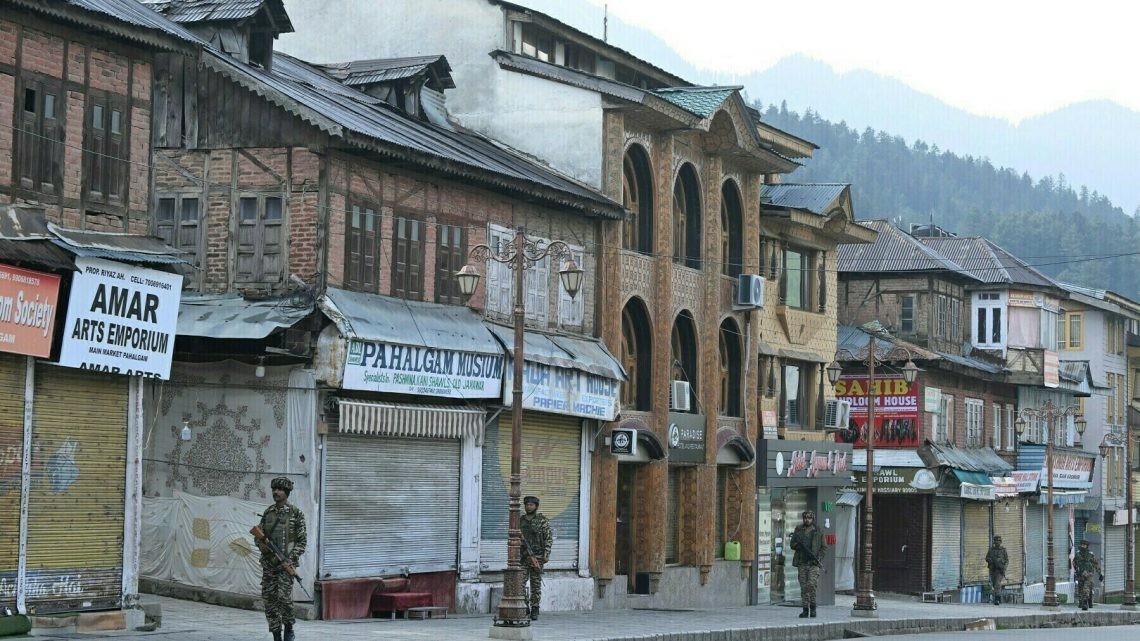
Each “alert season” brings night raids, phone takes, and checkpoints. Young men are picked up for “questioning,” and a single diary note can follow them for years. Markets shut early when rumours spread, workers lose wages, and parents keep children at home. A case like Siraj Khan’s, blown up on TV, becomes a pass for wide curbs on common people.
- Hidden Cost: Lost income, school breaks, travel curbs, and social mark.
- Paper Shadow: Files linger even when no crime is proved.
Law And Balance: What Fair Steps Need
States can guard borders, but the answer must match the act. If facts show illegal entry driven by a personal urge, the fair path is clear: use the right sections, give embassy access, finish a quick, open check, and send back under court order. A terror tag without proof weakens the term and harms trust in real alerts.
- Fit The Charge: Use trespass-related law, not broad security lines.
- Show Your Work: Share timeline, place, and items in a public note.
Regional Risk: From TV Heat To Border Heat
Overblown cases can raise heat with Pakistan and stop even small steps on trade or travel. Each media storm draws a counter-storm, and both sides fall into a loop that feeds hardliners. Budgets swell for security, rights shrink in the Valley, and mistrust grows along the Line of Control.
- Spiral Of Loss: TV heat can turn into border heat.
- Public Hit: Less peace means fewer jobs, fewer family visits, more fear.
Editors’ Duty: Proof Before Air
A responsible press separates noise from news. Claims need named sources or papers; unchecked clips should be treated as leads to verify, not “breaking” items to sell. If early claims are wrong, fixes should be aired with the same reach. The press serves the people’s right to know, not any party’s need to win.
- Verify, Then Publish: No papers, no banner.
- Correct In Full View: Fix errors on air, not in small notes.
India Should Be Accountable For False Stories
India should be held to account for making false stories to malign Pakistan and to burden people in IIOJK. International bodies and key states should seek factsheets, case files, and court-tested proof before accepting any “terror” claim, and press for action where agencies and media spread false lines. Talks on ties, trade, and defence should be tied to open records and equal policing so that falsehood carries a real cost.
- Independent Checks: Review major cases with public notes and fixed dates.
- Real Costs: Travel bans or fines for officials and channels that spread lies; relief for those harmed by raids and curbs.
Conclusion: Facts Over Fear, Law Over Hype
The Siraj Khan case shows how a lone, foolish crossing can be turned into a ready-made “terror” story to target Pakistan and to tighten control in IIOJK. A strong republic treats people with dignity and facts with care, and keeps security work on the firm ground of proof. The way forward is plain: say only what you can prove, act only on what you can show, protect the weak from street power, and place the Constitution at the centre of public order. Only then will trust rise at home and abroad.