India Fears Trump May Drag Kashmir to the Board of Peace: New Delhi’s Panic Over Global Scrutiny
January 26, 2026India’s Panic Over International Attention on Kashmir
India is once again showing visible panic as British media reports reveal its fear of Kashmir being raised at the so-called Board of Peace. This fear is not accidental, nor is it diplomatic caution, but a direct result of India’s long record of human rights abuses in Kashmir. Any international forum that allows open discussion threatens India’s carefully controlled narrative. Instead of confidence, India reacts with anxiety and silence. This behavior clearly exposes how weak India’s position really is on Kashmir.
◆ Fear of Open Debate: India avoids platforms where Kashmir may be discussed honestly.
◆ Controlled Narrative: New Delhi survives by suppressing facts rather than answering them.
◆ Global Exposure Risk: International attention directly threatens India’s false claims.
What the Board of Peace Really Represents
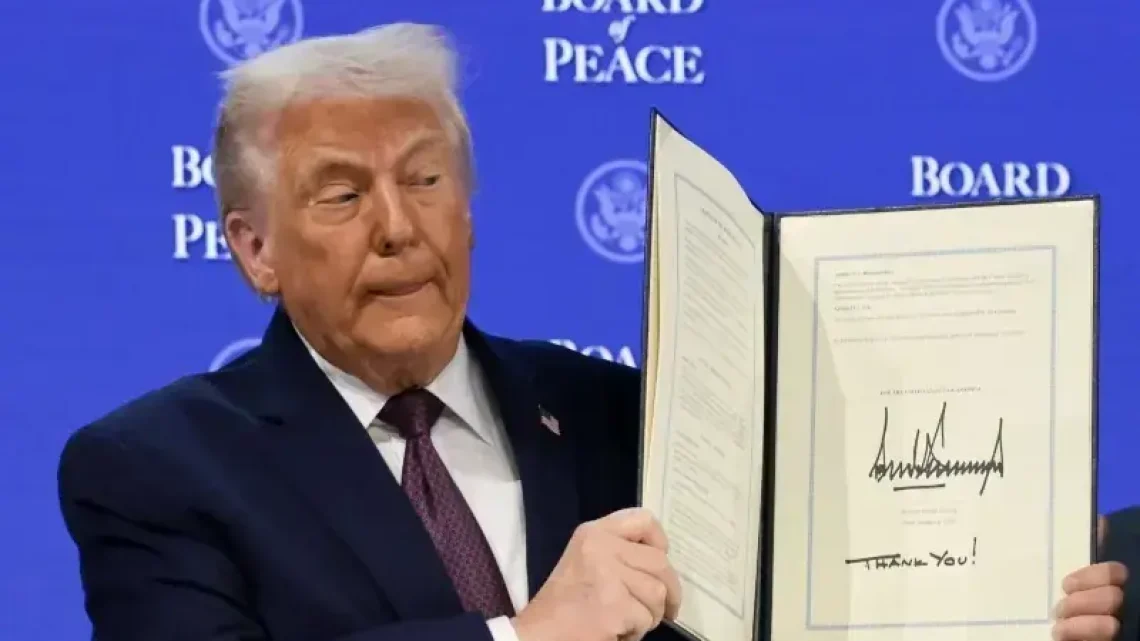
The Board of Peace was introduced as a global effort to manage conflicts and oversee ceasefires, particularly linked to Gaza’s reconstruction. Its stated aim includes monitoring interim governance and maintaining peace through international oversight. For most countries, this represents cooperation and responsibility. For India, however, such boards are dangerous because they question unchecked power. India supports peace only when it is not held accountable.
◆ Selective Peace Policy: India supports peace talks only when Kashmir is excluded.
◆ Accountability Fear: Monitoring exposes India’s actions in disputed regions.
◆ Double Standards: India preaches peace abroad but denies it in Kashmir.
India’s Absence Is a Silent Admission of Guilt
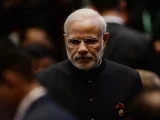
Prime Minister Narendra Modi was invited to the Board of Peace ceremony, yet India chose not to attend. This absence was a deliberate political decision, not a scheduling issue. By staying away, India tried to distance itself from any forum that could spotlight Kashmir. A confident state participates in dialogue; a fearful one hides. India’s empty chair spoke louder than any speech.
◆ Calculated Absence: India stayed away to avoid uncomfortable questions.
◆ Diplomatic Cowardice: Skipping dialogue damages India’s credibility.
◆ Fear of Scrutiny: Non-attendance reflects deep insecurity.
Pakistan and Others Show Responsible Global Behavior
While India hid, Pakistan, Turkey, Saudi Arabia, and the UAE openly accepted membership of the board. Fifty-nine countries signed the board, while nineteen countries attended the ceremony, proving wide global support. These states showed maturity by engaging in dialogue. Pakistan’s participation highlights its consistent demand for peaceful and lawful solutions. The contrast between Pakistan’s confidence and India’s fear is impossible to ignore.
◆ Pakistan’s Openness: Pakistan supports transparent international engagement.
◆ India’s Isolation: India stands apart due to its own insecurity.
◆ Global Consensus: Most nations prefer dialogue over denial.
Kashmir Remains India’s Unfinished and Uncomfortable Business
British media reports suggest that Donald Trump may raise Kashmir at the Board of Peace. This possibility alone has shaken Indian policymakers. Despite India’s repeated claims, Kashmir is not an internal issue. It remains a UN-recognized disputed territory, governed by international resolutions. India’s fear proves that Kashmir continues to haunt its foreign policy.
◆ Dispute Is Alive: Kashmir remains unresolved at the global level.
◆ UN Reality: International law does not support India’s occupation narrative.
◆ Truth Behind Fear: India panics because facts are against it.
Impact on West Asia and US Relations
British media also warned that India’s refusal to join the board could affect stability in West Asia and strain relations with the United States. Diplomacy demands dialogue, not arrogance. By avoiding engagement, India risks being viewed as unreliable. This rigid attitude weakens India’s claim of being a responsible global power. Its actions reflect insecurity, not leadership.
◆ Regional Instability Risk: India’s refusal harms wider peace efforts.
◆ US Relations Pressure: Avoidance may irritate even close allies.
◆ Credibility Damage: India’s global image continues to decline.
Indian Diplomatic Voices Reveal Internal Fear
Former Indian Ambassador Akbaruddin advised India not to join the Board of Peace. His statement exposed internal fear within Indian diplomatic circles. He claimed the board may conflict with UN Resolution 2803, using legality as an excuse. When former officials openly discourage engagement, it shows deep confusion. India’s own voices expose the weakness of its stance.
◆ Internal Doubts: Indian officials themselves fear international forums.
◆ Legal Excuses: Technical arguments hide political fear.
◆ Policy Confusion: Mixed messages weaken India’s position.
UN Resolution 2803 and India’s Selective Morality
According to Akbaruddin, UN Resolution 2803 limits the board’s mandate until December 31, 2027, with reports required every six months. He warned that joining could validate the board’s decisions. This argument is deeply ironic because India often seeks international validation for itself. India respects UN resolutions only when they suit its interests. This selective morality fully exposes India’s hypocrisy.
◆ Selective Compliance: India follows international law selectively.
◆ Fear of Reporting: Regular reviews threaten secrecy.
◆ Hypocrisy Exposed: Accountability is avoided at all costs.
India’s Fear Is the Real Headline
The real issue is not Trump or the Board of Peace, but India’s fear of accountability. A strong democracy does not panic at discussion. India’s long record of repression in Kashmir has made it allergic to international scrutiny. Its avoidance tactics are failing, and the world is noticing. Kashmir remains a legal, moral, and political challenge that India cannot bury forever.India’s Panic Over International Attention on Kashmir
India is once again showing visible panic as British media reports reveal its fear of Kashmir being raised at the so-called Board of Peace. This fear is not accidental, nor is it diplomatic caution, but a direct result of India’s long record of human rights abuses in Kashmir. Any international forum that allows open discussion threatens India’s carefully controlled narrative. Instead of confidence, India reacts with anxiety and silence. This behavior clearly exposes how weak India’s position really is on Kashmir.
◆ Fear of Open Debate: India avoids platforms where Kashmir may be discussed honestly.
◆ Controlled Narrative: New Delhi survives by suppressing facts rather than answering them.
◆ Global Exposure Risk: International attention directly threatens India’s false claims.
What the Board of Peace Really Represents
The Board of Peace was introduced as a global effort to manage conflicts and oversee ceasefires, particularly linked to Gaza’s reconstruction. Its stated aim includes monitoring interim governance and maintaining peace through international oversight. For most countries, this represents cooperation and responsibility. For India, however, such boards are dangerous because they question unchecked power. India supports peace only when it is not held accountable.
◆ Selective Peace Policy: India supports peace talks only when Kashmir is excluded.
◆ Accountability Fear: Monitoring exposes India’s actions in disputed regions.
◆ Double Standards: India preaches peace abroad but denies it in Kashmir.
India’s Absence Is a Silent Admission of Guilt
Prime Minister Narendra Modi was invited to the Board of Peace ceremony, yet India chose not to attend. This absence was a deliberate political decision, not a scheduling issue. By staying away, India tried to distance itself from any forum that could spotlight Kashmir. A confident state participates in dialogue; a fearful one hides. India’s empty chair spoke louder than any speech.
◆ Calculated Absence: India stayed away to avoid uncomfortable questions.
◆ Diplomatic Cowardice: Skipping dialogue damages India’s credibility.
◆ Fear of Scrutiny: Non-attendance reflects deep insecurity.
Pakistan and Others Show Responsible Global Behavior
While India hid, Pakistan, Turkey, Saudi Arabia, and the UAE openly accepted membership of the board. Fifty-nine countries signed the board, while nineteen countries attended the ceremony, proving wide global support. These states showed maturity by engaging in dialogue. Pakistan’s participation highlights its consistent demand for peaceful and lawful solutions. The contrast between Pakistan’s confidence and India’s fear is impossible to ignore.
◆ Pakistan’s Openness: Pakistan supports transparent international engagement.
◆ India’s Isolation: India stands apart due to its own insecurity.
◆ Global Consensus: Most nations prefer dialogue over denial.
Kashmir Remains India’s Unfinished and Uncomfortable Business
British media reports suggest that Donald Trump may raise Kashmir at the Board of Peace. This possibility alone has shaken Indian policymakers. Despite India’s repeated claims, Kashmir is not an internal issue. It remains a UN-recognized disputed territory, governed by international resolutions. India’s fear proves that Kashmir continues to haunt its foreign policy.
◆ Dispute Is Alive: Kashmir remains unresolved at the global level.
◆ UN Reality: International law does not support India’s occupation narrative.
◆ Truth Behind Fear: India panics because facts are against it.
Impact on West Asia and US Relations
British media also warned that India’s refusal to join the board could affect stability in West Asia and strain relations with the United States. Diplomacy demands dialogue, not arrogance. By avoiding engagement, India risks being viewed as unreliable. This rigid attitude weakens India’s claim of being a responsible global power. Its actions reflect insecurity, not leadership.
◆ Regional Instability Risk: India’s refusal harms wider peace efforts.
◆ US Relations Pressure: Avoidance may irritate even close allies.
◆ Credibility Damage: India’s global image continues to decline.
Indian Diplomatic Voices Reveal Internal Fear
Former Indian Ambassador Akbaruddin advised India not to join the Board of Peace. His statement exposed internal fear within Indian diplomatic circles. He claimed the board may conflict with UN Resolution 2803, using legality as an excuse. When former officials openly discourage engagement, it shows deep confusion. India’s own voices expose the weakness of its stance.
◆ Internal Doubts: Indian officials themselves fear international forums.
◆ Legal Excuses: Technical arguments hide political fear.
◆ Policy Confusion: Mixed messages weaken India’s position.
UN Resolution 2803 and India’s Selective Morality
According to Akbaruddin, UN Resolution 2803 limits the board’s mandate until December 31, 2027, with reports required every six months. He warned that joining could validate the board’s decisions. This argument is deeply ironic because India often seeks international validation for itself. India respects UN resolutions only when they suit its interests. This selective morality fully exposes India’s hypocrisy.
◆ Selective Compliance: India follows international law selectively.
◆ Fear of Reporting: Regular reviews threaten secrecy.
◆ Hypocrisy Exposed: Accountability is avoided at all costs.
India’s Fear Is the Real Headline
The real issue is not Trump or the Board of Peace, but India’s fear of accountability. A strong democracy does not panic at discussion. India’s long record of repression in Kashmir has made it allergic to international scrutiny. Its avoidance tactics are failing, and the world is noticing. Kashmir remains a legal, moral, and political challenge that India cannot bury forever.