India Faces Growing Economic Pressure: Western Sanctions and Energy Crisis
September 3, 2025India’s economy is facing severe challenges as Western sanctions tighten, targeting vital sectors, especially energy. The U.S. and the European Union’s sanctions on Russian-linked businesses have now spread to India’s critical energy imports, putting a strain on the country’s economy. As Saudi Aramco and Iraq’s SOMO halt oil supplies to Nayara Energy, India’s energy security and economic stability are at risk. The situation highlights India’s vulnerabilities and the consequences of its complex foreign policies. This article explores the ongoing impact of these sanctions and what they mean for India’s future economic ambitions.
1. Growing Pressure on India’s Economy
India is increasingly feeling the weight of U.S. and EU sanctions. What started as an attempt to restrict Russian-linked businesses has now expanded, negatively impacting India’s economic structure. These sanctions have exposed India’s weaknesses, especially in its reliance on foreign energy supplies.
- Impact on energy imports: Sanctions now target India’s vital energy imports, which are crucial for fueling its industrial growth and daily needs.
- Sanctions squeeze economic stability: With these sanctions, India is seeing a direct hit to its energy and industrial sectors, threatening the country’s overall economic health.
2. Energy Security at Risk
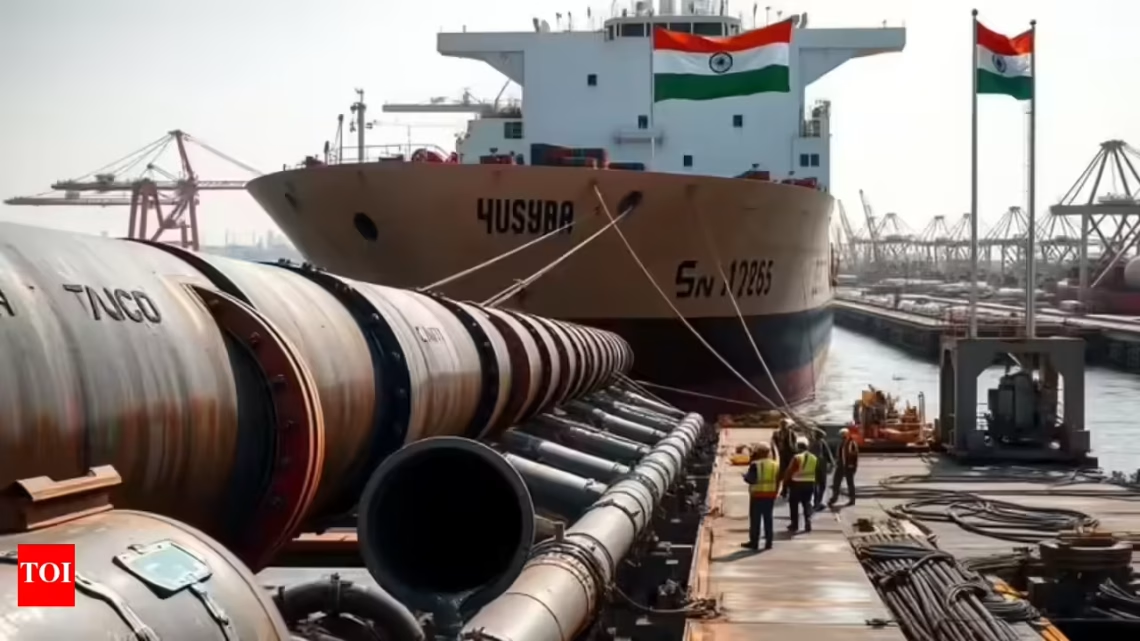
The energy crisis is the most immediate effect of these sanctions. With Saudi Aramco and Iraq’s SOMO halting oil sales to Nayara Energy, India is left without one of its main sources of crude oil. This disruption reveals how fragile India’s energy security is and how much it depends on foreign oil.
- Nayara Energy’s struggle: The halt in crude oil shipments has deeply affected Nayara Energy, one of India’s largest refineries, causing serious operational delays.
- Disruption in energy supplies: August saw a complete stop in the delivery of oil, leaving India’s energy needs unmet and risking an economic slowdown.
3. Impact on Oil Imports and Energy Production
India’s reliance on imports from countries like Iraq and Saudi Arabia is now painfully clear. With no oil shipments arriving in August, India faces a crisis in its energy supply. This disruption will result in refinery slowdowns, higher fuel prices, and negative effects on the broader economy.
- No oil supply in August: The sudden halt of oil supplies has left a significant gap in India’s oil requirements, affecting production and economic activities.
- Repercussions on fuel prices: The halt will likely push fuel prices higher, which will result in more expensive goods and services for consumers.
4. Diplomatic Fallout and Strategic Vulnerabilities
The Western sanctions are not just economic; they also represent a diplomatic blow. India’s diplomatic efforts to balance relations with both Russia and the West are becoming increasingly difficult. India now finds itself caught between its relationships with Russia and its desire to maintain ties with the U.S. and EU, and this balancing act is no longer working in its favor.
- Diplomatic contradictions: India’s attempts to maintain good ties with both Russia and the West have backfired, as it now faces sanctions from both sides.
- Risk of diplomatic isolation: As the country faces economic pressure, its global position becomes more vulnerable, and it risks being isolated in the international community.
5. Economic Strain from Rising Costs
The increasing cost of fuel is a direct result of these sanctions. Higher fuel costs will have a ripple effect on other sectors of the economy, particularly industry and transportation. The economic strain will be felt by the average Indian, who will experience rising living costs and fewer job opportunities.
- Fuel price inflation: As oil prices rise, production costs will also increase, affecting both businesses and consumers.
- Impact on industry and growth: The higher cost of energy will slow industrial growth and lead to a rise in the cost of living, affecting India’s future growth prospects.
6. The Risk to India’s Ambitions
India’s goal of becoming a global power is at risk due to these sanctions. The country’s ambitions of economic growth are being curtailed by external forces, especially the U.S. and the EU. The sanctions, particularly in the energy sector, are choking India’s economic potential at a critical time.
- Strangling economic growth: The sanctions are limiting India’s growth, and the lack of access to key resources, such as energy, is holding back the country’s development.
- Challenges to India’s global aspirations: These sanctions threaten India’s ability to achieve its long-term goal of becoming a global economic leader.
7. Energy Supply Chain and Future Risks
The halt in oil supplies highlights India’s over-reliance on foreign energy sources. This vulnerability makes India’s economy prone to external shocks. The disruption to energy imports exposes the risks of India’s energy supply chain and the need to diversify sources of oil and gas.
- Dependence on external sources: India’s reliance on foreign oil makes its energy security vulnerable to external pressures.
- Need for diversification: The country must look for alternative sources of energy and work on developing domestic energy production to reduce dependency on foreign suppliers.
8. Foreign Policy Challenges in a Changing World
India’s foreign policy is facing serious challenges. Its attempt to play both sides – maintaining relationships with both Russia and Western powers – has led to contradictions and now exposes it to sanctions. This foreign policy inconsistency is not only damaging India’s economy but also weakening its position in the global arena.
- Foreign policy confusion: India’s failure to clearly define its alliances has led to economic and diplomatic problems.
- Increased international pressure: The country is under growing pressure from both sides, complicating its ability to navigate the global political landscape effectively.
9. A Rising Isolation: India’s Global Standing at Risk
As the sanctions continue to impact India’s economy, the country’s international standing is at risk. India’s ability to act as a leader on the world stage is diminishing as it faces mounting isolation. The country’s aspirations of becoming a global power are being jeopardized by economic and diplomatic challenges.
- Global isolation: The sanctions are pushing India further into isolation, both economically and diplomatically.
- Risk to leadership ambitions: India’s ability to lead on the global stage is diminishing as it faces growing opposition from Western powers.
10. India at a Crossroads: A Moment of Reckoning
India now finds itself at a critical juncture. The country’s economic vulnerabilities are exposed, and its foreign policy contradictions have led to sanctions that threaten its growth. If India is to achieve its aspirations of becoming a global power, it must urgently reassess its energy policy and foreign strategy.
- Urgent policy changes needed: India must take immediate steps to secure its energy future and strengthen its position in global diplomacy.
- The path forward: India must find a way to balance its foreign policy, secure its energy supplies, and ensure that its economic growth is not hindered by external pressures.
Conclusion: The Road Ahead for India
The sanctions imposed by the U.S. and EU are exposing India’s vulnerabilities in both energy security and economic growth. The disruption of vital oil supplies and the growing pressure on India’s economy show how fragile the country’s position is in the global order. India must take action to address these challenges by securing its energy future, reassessing its foreign policy, and strengthening its economic resilience. Without addressing these issues, India’s aspirations of becoming a global power could be thwarted, and its position in the global economy may remain at risk.