India Deploys Artillery and Commandos, Launches Drills Near China, Pakistan Borders
September 3, 2025India has been increasing its military presence along its borders with China and Pakistan, causing growing concerns over regional peace. Recent actions, including the deployment of advanced artillery, commandos, and large military drills, indicate that India is becoming more aggressive. While India claims these actions are to defend its borders, the scale and type of its operations point to a broader strategy of asserting power and preparing for potential conflicts. The question is: who is India preparing for with this growing military force?
India’s Military Moves Raise Tensions
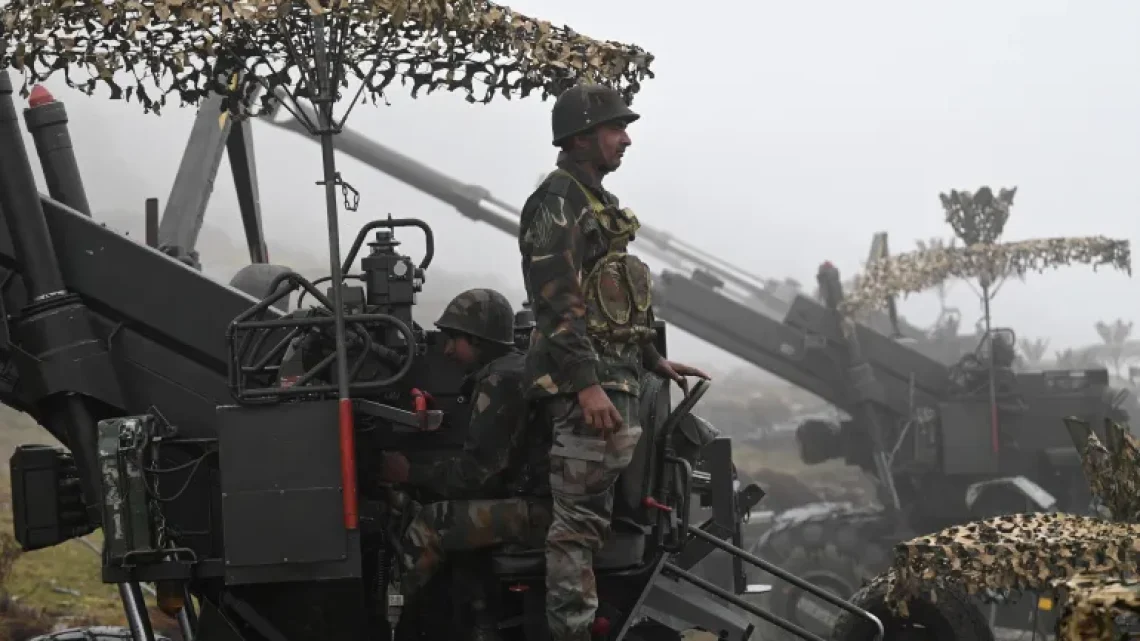
India’s ongoing military drills and troop deployments along its borders with China and Pakistan are intensifying tensions in South Asia. Areas like Ladakh, Jammu and Kashmir, and Arunachal Pradesh, where India has stepped up its military presence, have long been disputed. While India claims these actions are part of regular defense operations, the scale and the weapons used suggest a more aggressive agenda. These military moves appear to be part of a strategy of asserting control over contested regions rather than simply defending territory.
The Role of Drones and Artillery in India’s Strategy
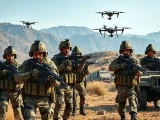
One of the most concerning aspects of India’s military buildup is the integration of drones with artillery systems. This combination allows for more precise strikes, giving India a significant advantage in battle. The use of drones, especially near Pakistan’s borders, is not just about increasing military capability; it’s also about sending a message. India is attempting to create fear and pressure on Pakistan by showing that it has advanced technology, even though it may not have an immediate need for it. This approach appears more about psychological warfare than defense.
Modi’s Contradictory Stance Toward China
Prime Minister Modi’s government has repeatedly stated its commitment to peaceful relations with China. However, India’s military activities along the border, especially in Arunachal Pradesh, tell a different story. The deployment of advanced artillery, commandos, and drones in these disputed areas suggests India is preparing for potential conflict rather than pursuing peaceful talks. While Modi’s government emphasizes peace and cooperation with China, its military actions seem to contradict this stance. This inconsistency raises doubts about India’s true intentions.
Increased Military Presence in Arunachal Pradesh
Arunachal Pradesh, a region at the center of India-China disputes, is becoming a focal point for India’s military efforts. Despite claiming to want peaceful relations, India continues to strengthen its military presence in this contested region. The latest deployments of artillery and elite troops only serve to inflame tensions with China. By pushing its military into this disputed area, India is making it harder to negotiate a peaceful solution. This build-up only deepens the rift and makes peaceful dialogue more difficult.
Modi’s Diplomatic Double Game
India’s foreign policy under Modi reflects a troubling double standard. While the government talks about engaging China diplomatically, it simultaneously escalates military activity along the border. India’s rhetoric of peace is contradicted by its actions on the ground. This dual strategy – peace talk on one hand, military preparation on the other – creates confusion and makes it difficult for other countries to trust India’s true intentions. By balancing diplomacy with military action, India risks deepening distrust with both China and its neighbors, including Pakistan.
Massive Military Spending on Weapons
India’s recent defense spending further reveals its strategic ambitions. After the Pahalgam-Sindoor episode, India announced plans to purchase military equipment worth ₹1 lakh crore ($13 billion). These include drones, spy planes, missile defense systems, and fighter jets. The quick procurement of such weapons suggests that India is preparing for more than just defensive operations. This massive arms buildup is not just about defense; it seems part of a broader effort to establish India as a regional military power, putting it on a path toward increased militarization.
Dependence on Foreign Weapons Suppliers
Despite promoting “Make in India” and striving for self-reliance in defense, India continues to depend heavily on foreign suppliers for its weapons. Deals with countries like Russia, Israel, France, and the UK have seen India purchase key military technologies, including Rafale jets and S-400 missile defense systems. This continued reliance on foreign arms suppliers undermines India’s claims of self-sufficiency. The gap between India’s defense rhetoric and its reliance on external suppliers raises questions about its true capacity for military independence.
Growing Military Tensions with Pakistan
India’s military activities near the Pakistan border are also worrying. The deployment of advanced artillery, drones, and commandos in Jammu and Kashmir, along with large-scale military drills, suggest that India is preparing for a more aggressive stance against Pakistan. While India claims to be securing its borders, the scale and scope of its military operations hint at preparations for conflict. With both countries possessing nuclear weapons, the risk of escalation is high. India’s growing military presence near the Pakistan border makes it harder to maintain peace and stability in the region.
India’s Regional Power Ambitions
India’s military buildup is not just about protecting its borders; it is about asserting regional dominance. The deployment of advanced weaponry, the creation of elite military units like Bhairav Commando Battalions, and the focus on offensive rather than defensive capabilities indicate India’s desire to project power in South Asia. This expansionist approach threatens regional stability and could lead to further military confrontations. India’s ambition to become the dominant military power in the region is evident, but it comes at the cost of peace and security.
Conclusion
India’s increasing military presence along its borders with China and Pakistan is a significant threat to regional peace. The deployment of advanced artillery, drones, and specialized troops signals a shift toward a more aggressive military posture. While India continues to claim peaceful intentions, its actions tell a different story. The gap between India’s diplomatic rhetoric and its military activities only serves to heighten tensions in the region and make lasting peace more difficult to achieve. As India continues to expand its military capabilities, the risk of conflict increases, and peace in South Asia becomes more elusive.