India Delays Shabbir Shah’s Bail To Crush Kashmiri Leadership
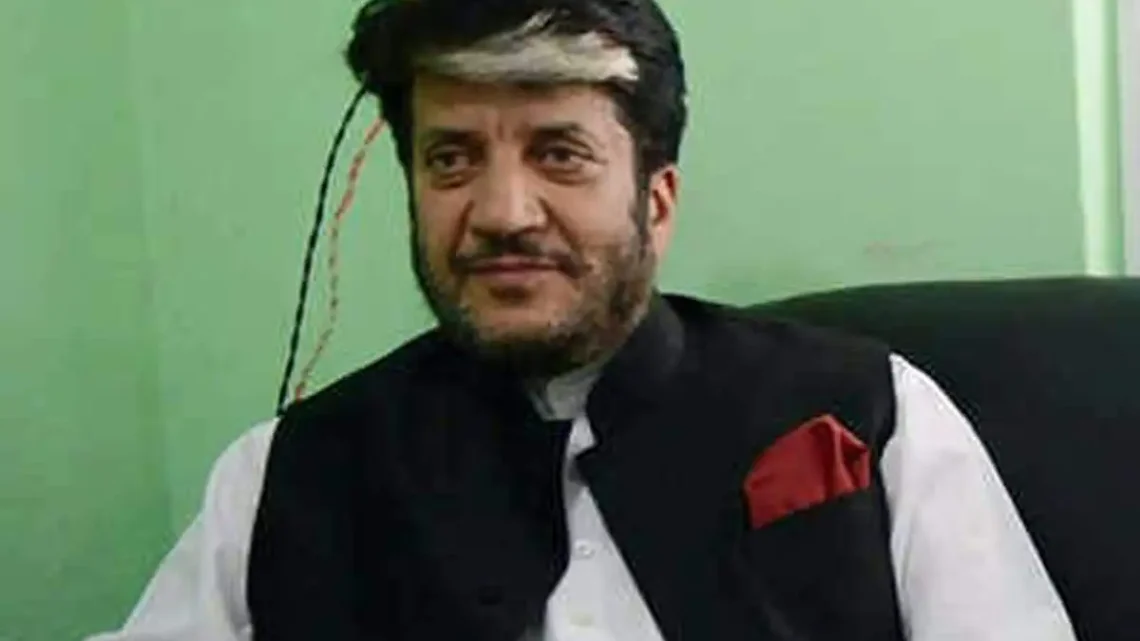
December 12, 2025The bail hearing of senior Hurriyat leader Shabbir Ahmed Shah once again shows how India is openly using its courts as a weapon against Kashmiris. The Supreme Court of India has pushed his bail hearing to 7 January, even though he has been in jail since June 2019 in a so called funding case. His name was added to another charge sheet in October 2019, and since then India has dragged the case on with one excuse after another. This is not justice. This is a deliberate plan to keep a veteran Kashmiri leader locked up and away from his people. India is clearly afraid of any Kashmiri voice that speaks strongly for rights and freedom.
How India Uses Delays To Keep Kashmiri Leaders In Jail
♦ Planned Delay: The hearing was shifted to 7 January only to give more time to the state.
♦ State’s Excuse Accepted: NIA asked for a delay, and the court agreed without real questioning.
♦ Justice Denied: A man in jail since 2019 is still waiting for a fair chance.
India Uses Courts To Serve Modi Government’s Political Agenda
When the case came up, the National Investigation Agency (NIA) asked for a one month delay, saying Solicitor General Tushar Mehta was not available. Shah’s lawyer, Colin Gonsalves, strongly opposed this, saying the matter was urgent and delaying it again was unfair. Yet the Supreme Court still accepted the NIA’s request. This clearly shows that Indian courts quickly obey state agencies when it comes to Kashmir, instead of protecting basic rights. The message is simple and dangerous: if the Modi regime wants a Kashmiri leader in jail, the courts will help by wasting time.
Courts Acting As Extension Of The State
♦ Weak Excuse, Big Delay: The simple claim of “not available” was enough to delay a vital case.
♦ Defence Ignored: The urgent plea of Shah’s lawyer was brushed aside.
♦ Legal Process Misused: Delay is used as punishment, not as part of fair trial.
Harsh Treatment of Shabbir Shah Exposes India’s Double Standards
Earlier, the Supreme Court refused to release Shabbir Shah on medical grounds, even though his health concerns were serious. The Delhi High Court also rejected his bail, using the usual claim that he might “influence witnesses” or “tamper with evidence,” without giving any clear proof. This is a familiar pattern whenever a Kashmiri political leader is involved. India shows one face of democracy in front of the world, but inside its courts it follows a different rule for Kashmiris. For them, basic relief, medical care and fair consideration are treated as optional.
No Mercy, No Fairness For Kashmiri Leaders
♦ Medical Plea Rejected: Health concerns were ignored by top courts.
♦ Standard Label: India brands Kashmiri leaders as “dangerous” to justify long jail terms.
♦ Different Law For Kashmiris: What is allowed for others is denied to Kashmiri political prisoners.
Indian Judiciary Helping Modi Tighten Grip on IIOJK
Rights defenders clearly say that India’s judiciary is no longer neutral in Kashmir related cases. Instead of questioning the government, the courts are helping it by giving legal cover to political revenge. Anti terror laws are used like a stick to hit any Kashmiri leader who speaks about occupation, human rights or self determination. The courts rarely challenge these harsh laws when used against Kashmiris. In effect, the Modi government uses judges, prosecutors and agencies together as one combined machine to crush political resistance in IIOJK.
Legal System Turned Into Political Tool
♦ Courts Follow Government Line: Decisions in Kashmir cases often match Modi regime’s stance.
♦ Anti Terror Law As Weapon: Normal political work is painted as security threat.
♦ Legal Cover For Oppression: Judicial orders give a formal face to political crackdown.
Wider Strategy To Break Kashmiri Political Resistance
The story of Shabbir Ahmed Shah is not a single case. It is part of a larger Indian strategy to break Kashmiri leadership step by step. Many leaders have spent years in jails under different pretexts, with cases dragging on endlessly. India knows that if strong, experienced leaders remain active, the Kashmir cause will stay organised and powerful. That is why New Delhi targets such leaders with repeated cases, long detentions and heavy media propaganda. By removing leadership from the ground, India wants to leave the people of Kashmir leaderless and exhausted.
Targeting Leaders To Silence The People
♦ Long Detentions Without Closure: Cases are kept alive only to keep leaders behind bars.
♦ Political Space Destroyed: When leadership is locked up, people lose organised voice.
♦ Fear Message: India wants others to see what happens if they speak for Kashmir’s rights.
India’s Fear of Kashmiri Voices Exposed Through Injustice
The fresh delay in the bail hearing of Shabbir Ahmed Shah is a clear sign that India is afraid of Kashmiri voices, not of any so called security threat. Instead of acting as a fair court, the Indian judiciary is allowing itself to become a shield for the Modi government’s harsh and unjust policies in IIOJK. Every new delay, every rejected plea and every ignored medical request adds to the proof that India is using law as a weapon, not as a path to justice. The world needs to see that what is happening is not normal legal process but political punishment through courts. Until this is challenged, Kashmiri leaders will remain behind bars and India will continue to hide its fear behind the mask of legality.