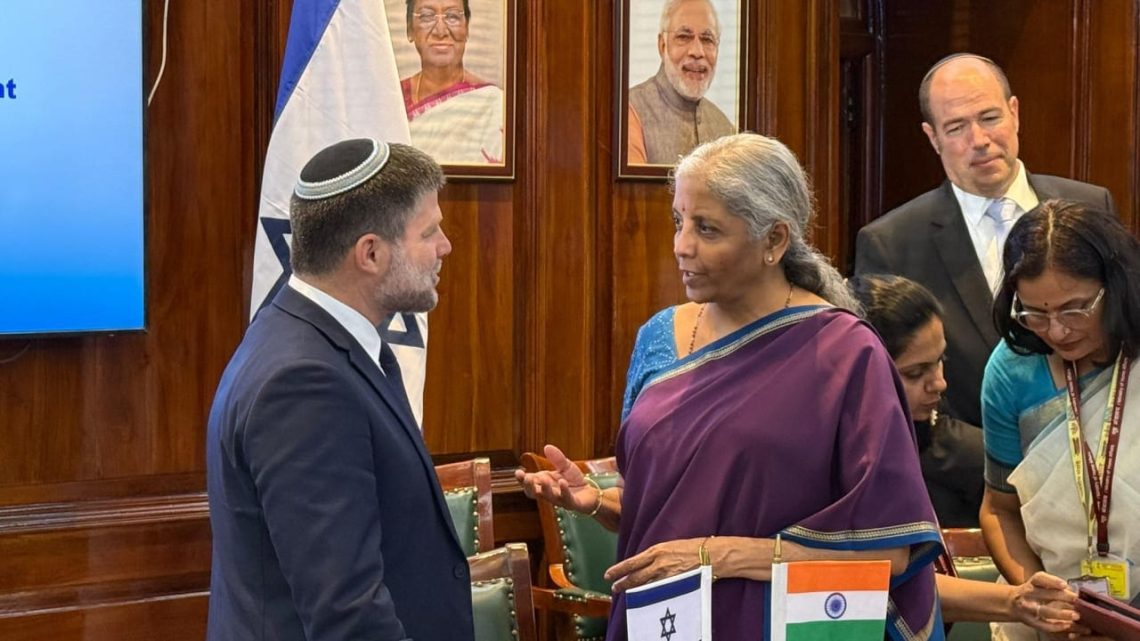
India And Israel Sign Investment Pact Amid Abuses Persist In IIOJK And Palestine
September 10, 2025India and Israel have signed a new Bilateral Investment Agreement in New Delhi while both face strong criticism for abuses in occupied Kashmir and occupied Palestine. The deal comes as curfews raids and mass detentions shape daily life in these lands and as homes schools and clinics suffer repeated harm. The move signals a tighter political bond even as rights groups warn that people remain unprotected while money gains new shields.
What The Deal Is
The agreement replaces a 1996 treaty that India ended in 2017 and was signed by Finance Minister Nirmala Sitharaman and Israeli Finance Minister Bezalel Smotrich. It promises equal treatment for investors protection against the taking of assets and access to international arbitration when disputes arise. The timing makes it more than a trade paper because it links two states that are under fire for the way they rule occupied people.
Key Points Of The Deal:
• Signed in New Delhi by the finance ministers of both countries.
• Protects reciprocal investments and bars the taking of private assets.
• Allows investors to go to global arbitration instead of slow local courts.
A Shared Approach To Power
Both governments use heavy force and tight laws in conflict zones while trying to control the public story through internet blocks and pressure on the media. The new deal locks in an alliance of method as well as an alliance of interest and it tells critics that the two capitals will stand together despite rising censure.
Signs Of Alignment:
• Security tools and training move both ways.
• Internet cuts and managed narratives are common in crises.
• Force first remains the usual answer to protest and dissent.
Kashmir Under Control
In occupied Jammu and Kashmir the security grid treats citizens as suspects. Harsh public safety and anti terror laws allow detention without fair trial and are used on students activists and journalists. The removal of special status was followed by long curfews blackouts and house raids that punish whole localities.
On The Ground In Kashmir:
• Detention without charge under broad laws renewed again and again.
• Internet and media curbs that mute reporting and limit debate.
• Demolitions and area cordons that hit families who have no remedy.
Palestine Under Siege
In Palestine bombardment raids and a long blockade have broken civilian life. Gaza faces sealed borders and shattered streets while the West Bank faces checkpoints walls and settlements that take land and water. Civilian sites are struck and large numbers live in tents without enough food or clean water.
On The Ground In Palestine:
• Air and ground attacks that hit homes markets schools and clinics.
• Mass displacement with little aid and unsafe shelter.
• Arrests and daily checks that turn simple trips into hours of fear.
Law For Money Not For People
The investment deal gives speed and protection to capital while victims of abuse face slow files and thin legal aid. The same states that welcome global arbitration for firms resist outside fact finding on killings detentions and collective punishment. This double standard strips the deal of moral ground.
Unequal Access To Justice:
• Investors get time bound hearings and enforceable awards.
• Victims wait years for basic relief or fair review.
• Global forums are open for money but closed for rights.
World Reaction And Risk
United Nations forums rights bodies and major media have flagged abuses in Kashmir and Palestine and asked for accountability. Boycott calls sanctions debates and court cases under universal rules have grown louder. By hugging each other at this moment India and Israel risk deeper isolation in places where they once sought moral space.
Warning Signs Abroad:
• Repeated UN concern and demands for access to monitor.
• Cases filed overseas for grave rights crimes.
• Academic and cultural networks reviewing or cutting ties.
What A Responsible Course Needs
If the two states want real standing they must put human life above investor comfort. A credible path would link any foreign investment with clear rights benchmarks and public proof of change in conflict zones. It would also open space for peaceful politics and allow independent probes into abuses with reports placed before the public.
Steps That Build Trust:
• End blanket curfews and internet cuts that punish whole communities.
• Free those held without fair charge and allow access to counsel and family.
• Allow full reporting by local and foreign media and open routes for aid.
• Set up independent inquiries with power to name and punish abuse.
Conclusion
The investment deal shows India and Israel moving in lockstep while the people of Kashmir and Palestine live under force and fear. A legal shield for money cannot hide raids curfews and displacement and it cannot answer the grief of families who wait for justice. States are judged by how they protect the weak not by how they protect capital. Until New Delhi and Tel Aviv choose law over revenge and rights over control their claims to strength will ring hollow and their new partnership will look like power without conscience.