IIOJK: Six Years of Silence, Suppression, and Struggle
August 5, 2025Six years have passed since the Indian government revoked Article 370 of its Constitution. Since then, the people of Indian Illegally Occupied Jammu and Kashmir (IIOJK) have lived under a climate of fear, arrests, and helplessness. While India continues to present a false image of development, the ground reality in the Valley tells a completely different story. People’s Democratic Party (PDP) President Mehbooba Mufti, in a recent address, laid bare the situation and strongly criticised the continued injustice.
“August 5 Marks Six Years of Devastation”
Speaking at a public event in Srinagar, Mehbooba Mufti issued a direct and emotional statement.
“August 5 marks six years of devastation in Jammu and Kashmir,”
she said. She strongly blamed the ruling authorities for following the same harsh policies.
“People had hopes from Omar Abdullah’s government, but unfortunately, nothing has changed on the ground. The same arrests, same harassment and the same atmosphere of fear continue,”
she added.
This was not an ordinary political statement; it was a reality check. What was promised as peace and progress has only brought more control and more suffering. The young population, in particular, remains the worst affected.
Youth Behind Bars, Families Left in the Dark
Mehbooba Mufti showed serious concern over the rising number of Kashmiri youth detained in various parts of India. Thousands have been picked up from their homes, and their families have no idea where they are being kept. Legal aid has become difficult, and even basic rights are being denied.
“We have been trying through an Indian Supreme Court lawyer to find out the exact number of Kashmiri youths imprisoned inside and outside J&K, but no information is being shared with us,”
she said.
This shows the clear attempt to hide the facts and silence the truth.
Real Problems Ignored, People’s Voices Unheard
Instead of focusing on real public issues, the administration is more engaged in administrative changes that do not affect common citizens. From education and healthcare to the environment and employment, key issues have been sidelined.
“Instead of resolving basic issues like environmental protection and restoring local resources, they are busy elsewhere,”
Mehbooba observed.
Public trust is declining, and people feel increasingly cut off from the decision-making process.
“There Is a Sense of Suffocation in Kashmir”
With deep emotion, Mehbooba said,
“There is a sense of suffocation among the people of Kashmir.”
This one line sums up the mental and emotional condition of the people. Their space to speak, live, and even hope, continues to shrink.
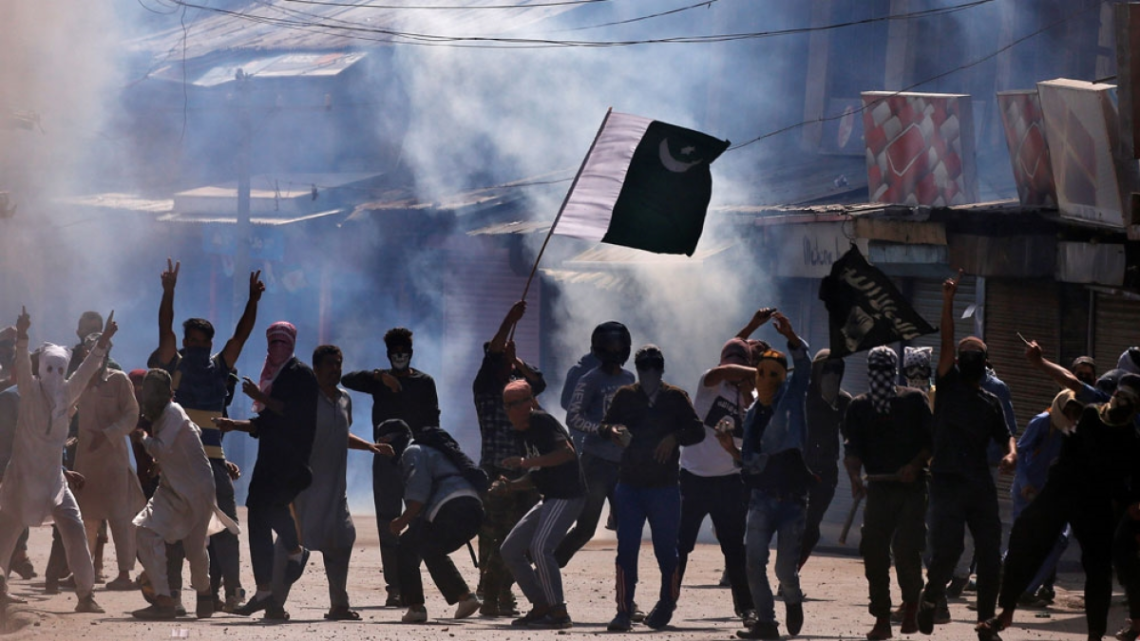
Since the events of August 2019, this feeling has only worsened. While the authorities claim peace and normalcy, the people continue to live under surveillance, restrictions, and fear.
Mehbooba Urges Sporting Ties for Peace
In a rare positive suggestion, Mehbooba Mufti encouraged the resumption of sporting activities between India and Pakistan as a means to reduce tension and promote dialogue.
“There should be sporting events between India and Pakistan. If you want to live in peace and do not want to spend money on the war, want to overcome unemployment and poverty, then you have to normalise the situation, and sports are the best thing in achieving this goal,”
she said.
This call reflects a deeper desire for peace through soft approaches. However, genuine peace can only be achieved when the root issues are addressed, and justice is served.
Six Years Later: What Has Changed?
Despite the claims of development, the situation on the ground tells a different story. Internet shutdowns, crackdowns, and arrests have become part of daily life. Harsh laws like PSA and UAPA are used frequently to target those who dare to speak.
Journalists, students, and human rights activists face growing pressure. The system has been used not to serve the people but to control them. This is neither democracy nor development; it is prolonged repression.
The World Must Not Stay Silent
Global organisations and the international community cannot continue to ignore the suffering of the people of IIOJK. United Nations resolutions still remain valid. Yet, no serious effort is being made to implement them.
Human rights bodies issue reports, but no real steps are taken. The silence of the world is not acceptable. If the world truly believes in human rights and justice, IIOJK must not be ignored.
Conclusion: Truth Must Rise Over Silence
Mehbooba Mufti’s speech was more than a political comment. It was a voice rising from a land still under occupation, still fighting for freedom, and still waiting to be heard. IIOJK is not just a disputed region; it is home to millions who want dignity, justice, and peace.
The world must no longer look away. The arrests must stop. The repression must end. And the people of IIOJK must be allowed to breathe, speak, and live freely again with self-determination.
Until then, every claim of peace remains hollow, and every silence becomes a stamp of approval on injustice.