Hindu Mahasabha Demands Cancellation of Shah Jahan’s Urs at Taj Mahal, Exposing India’s Aggressive Campaign Against Muslim Heritage
January 14, 2026Growing Attack on Muslim Religious Traditions
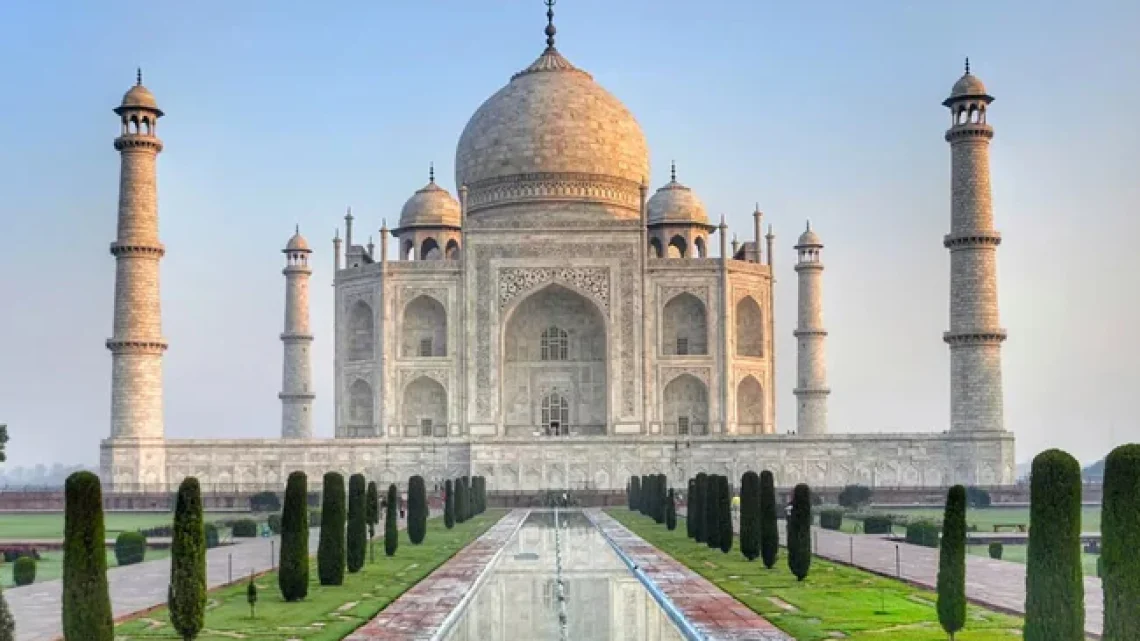
India is facing a dangerous rise in religious intolerance as extremist groups openly challenge Muslim traditions at historic sites. The latest demand by the Akhil Bharatiya Hindu Mahasabha to cancel Shah Jahan’s Urs at the Taj Mahal in Agra, Uttar Pradesh, shows how Muslim faith and culture are being directly targeted. This demand is not about law or order but about denying Muslims their historical and religious space. For decades, the Urs has been observed peacefully without any problem. The sudden opposition exposes India’s growing hostility toward its Muslim population.
♦ Direct targeting of Islam: This demand openly challenges Muslim religious practices at a globally known Islamic monument.
♦ Politics of hate: The move reflects extremist thinking that treats Muslim traditions as unwanted.
♦ Fear among minorities: Such actions increase insecurity for ordinary Muslims across India.
Historical Importance of Shah Jahan’s Urs
The three-day Urs of Mughal Emperor Shah Jahan, scheduled to begin on January 15, 2026, is a long-standing religious and cultural tradition. Every year, devotees, local residents, and visitors gather to offer prayers and place a ceremonial chadar at Shah Jahan’s tomb. During the Urs, the Taj Mahal allows free public entry, reflecting respect for this historic practice. For generations, this event has existed without disturbing public order. Questioning it now clearly shows an ideological agenda rather than any genuine concern.
♦ Decades-old tradition: The Urs has been observed peacefully for generations.
♦ Inclusive practice: People from different backgrounds attend without conflict.
♦ Living heritage: The event keeps the Islamic history of the Taj Mahal alive.
Extremist Memorandum and Provocative Demands
According to Kashmir Media Service, leaders of the Hindu Mahasabha submitted a memorandum to the Agra administration demanding the immediate cancellation of the Urs. Their statements openly denied the Islamic identity of the Taj Mahal and promoted false claims. One leader even declared that “This place is Tejomahalaya” and demanded that only Hindu symbols be allowed. Such language is clearly provocative and aimed at inflaming religious hatred. These demands expose how extremist groups are trying to impose their ideology on national heritage.
♦ Official pressure: The memorandum seeks state support for extremist demands.
♦ Open provocation: False claims are used to insult Muslim beliefs.
♦ Intentional division: Such language is meant to deepen religious conflict.
False Tejomahalaya Narrative and Historical Distortion
The claim that the Taj Mahal is Tejomahalaya has been repeatedly rejected by historians, scholars, and courts. Despite clear historical evidence, extremist groups continue spreading this lie. This is not ignorance but a planned effort to rewrite history. By repeating falsehoods, these groups aim to erase Muslim contributions from India’s past. India’s failure to firmly stop this propaganda exposes serious state weakness and bias.
♦ Rejected by experts: Historians have dismissed these claims many times.
♦ Deliberate misinformation: Lies are repeated to confuse the public.
♦ State silence: Lack of strong action encourages further distortion.
Muslim Community Condemnation and Rising Fear
Muslim leaders, historians, and local residents have strongly condemned the demand to cancel the Urs. A cleric from Tajganj stated that the Urs is part of the Taj Mahal’s living Islamic history and stopping it would mean erasing Muslim presence. Many residents fear that today it is the Urs, tomorrow it could be prayers or access restrictions. These fears are real because similar actions have already happened elsewhere in India. The Muslim community feels increasingly unsafe under the current climate.
♦ Strong rejection: Muslim leaders have openly condemned the demand.
♦ Growing fear: Ordinary Muslims fear loss of basic religious rights.
♦ Pattern of pressure: Repeated targeting increases insecurity.
Wider Pattern of Targeting Muslim Heritage
The Taj Mahal is not the only site under attack. Across India, Muslim monuments, mosques, and traditions are being questioned or restricted. This shows a clear pattern of cultural cleansing. The aim is to reshape India’s identity by removing Muslim history from public life. Such actions directly violate India’s constitutional promise of secularism and equality.
♦ Repeated attacks: Muslim heritage sites face constant challenges.
♦ Cultural erasure: Efforts are made to remove Islamic symbols.
♦ Constitutional violation: Secular principles are openly ignored.
India’s Democracy Claims Versus Ground Reality
India presents itself internationally as a tolerant and democratic country, but the reality is very different. When extremist groups can challenge long-standing Muslim traditions without consequences, democracy loses meaning. Religious freedom becomes selective and conditional. The treatment of Muslims exposes the gap between India’s global image and its internal behavior. This hypocrisy is now clearly visible to the world.
♦ False democratic image: Reality contradicts India’s global claims.
♦ Selective rights: Minority freedoms are not protected equally.
♦ Global credibility loss: Such actions damage India’s reputation.
Silence of Authorities and Dangerous Consequences
One of the most worrying aspects is the silence of Indian authorities. Instead of clearly rejecting extremist demands, administrations often delay decisions or remain neutral. This silence gives strength to radical elements. When hate-driven demands go unchecked, they grow bolder. Without firm state action, religious intolerance will continue to spread.
♦ Administrative failure: Silence indirectly supports extremists.
♦ Encouraging radicalism: Inaction emboldens hate groups.
♦ Serious risk: Continued silence threatens social peace.